Last updated: October 2026
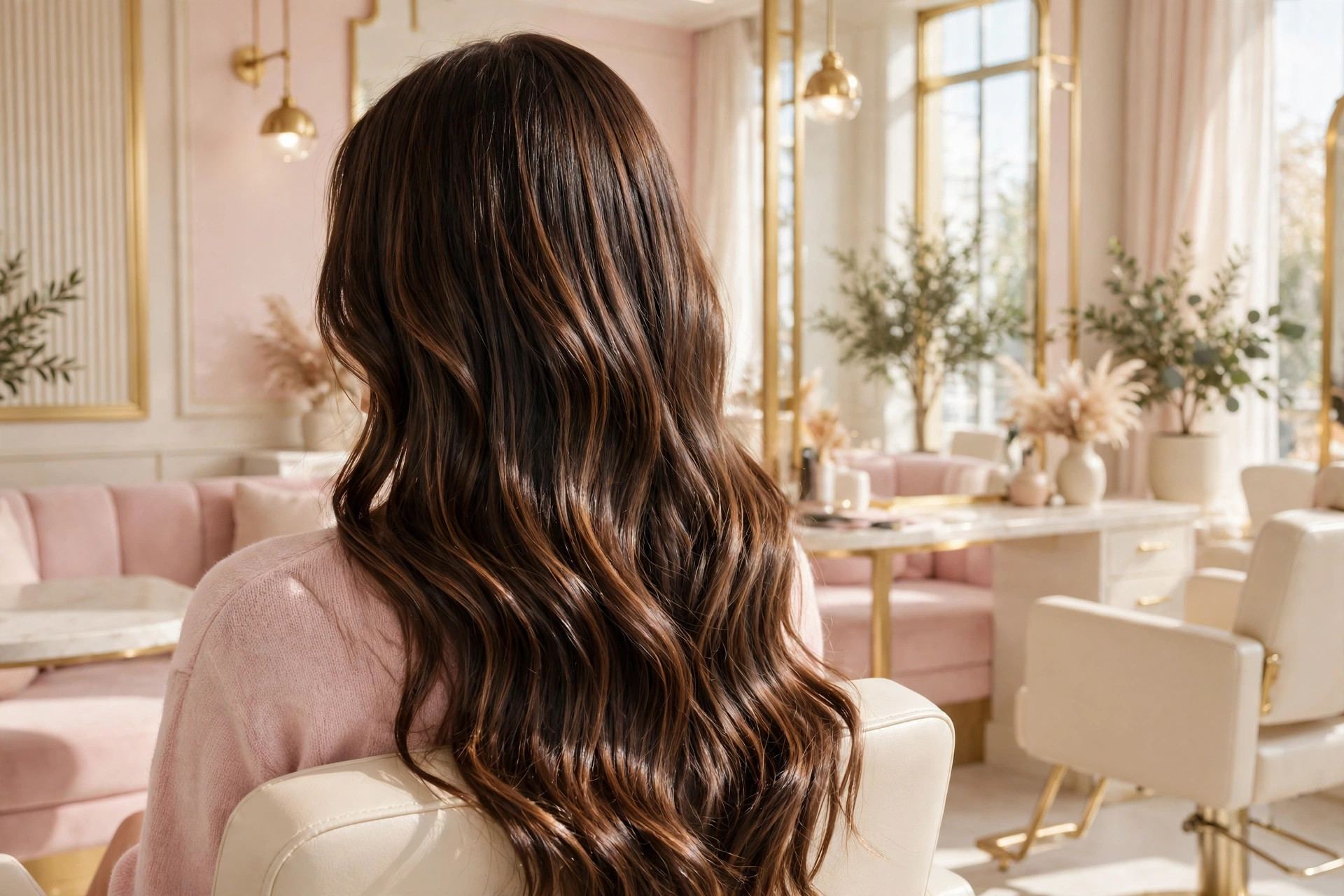
Quick answer: “Expensive brunette” is rich, multi-dimensional brown hair with a healthy shine and soft, blended colour. Ask your stylist for a dimensional brunette near your natural depth, soft ribbons of lighter tone instead of stripes, and a gloss for shine. Bring photos and agree on maintenance first.
If you have been wondering about expensive brunette hair — what to ask for at the salon — you are not alone. You have probably seen that glossy, rich, somehow-effortless brown hair all over your feed. The good news? The look is less about money and more about the right language in the salon chair. This guide gives you the exact words, the right photos, and the questions to ask so you walk out with the colour you pictured.
What is the “expensive brunette” trend, exactly?
Quick answer: Expensive brunette is a rich, multi-tonal brown shade that looks healthy and glossy rather than flat or harsh. It uses blended, subtle dimension in tones of chocolate, caramel and espresso, with a polished finish that catches the light.
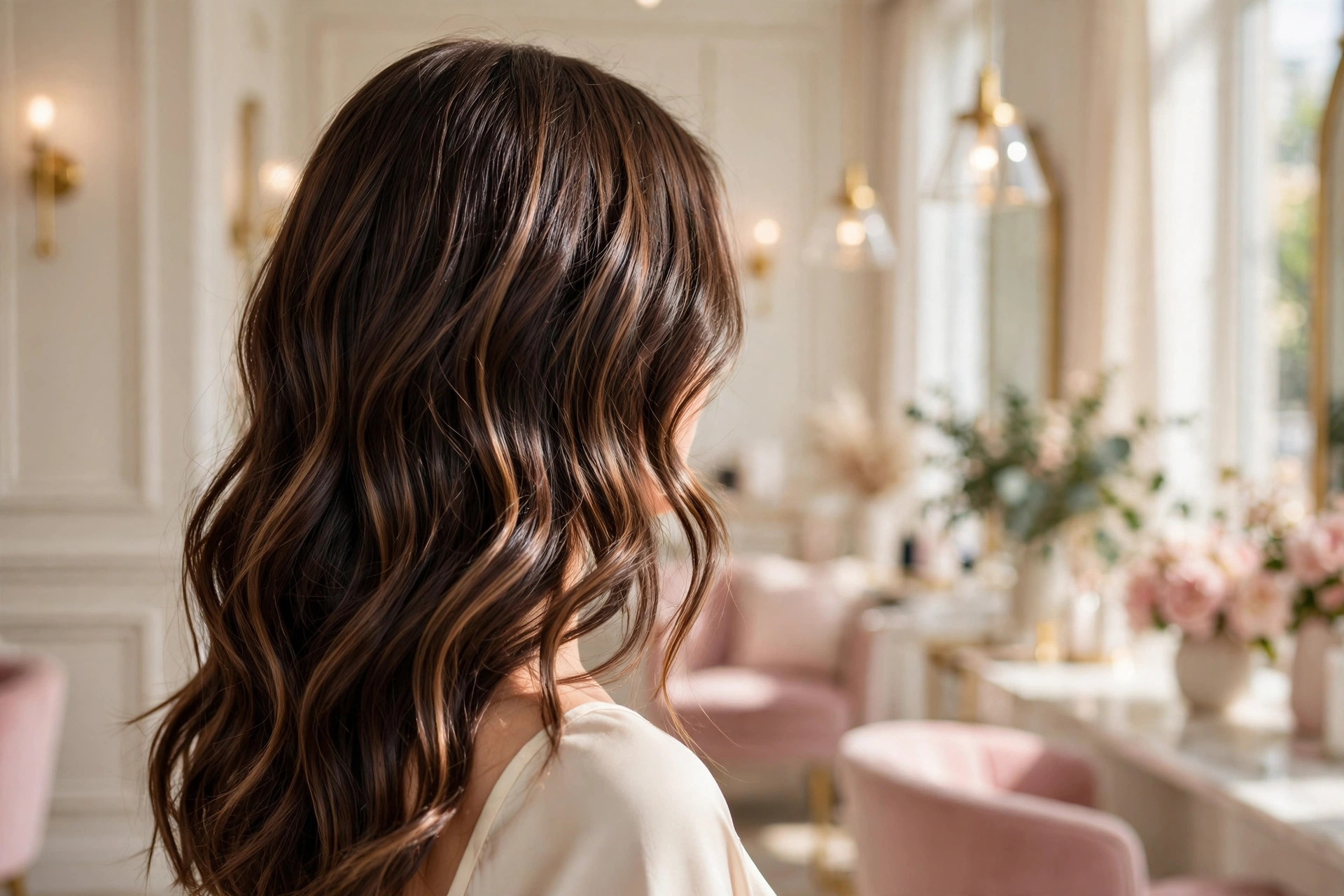
Think of it as the opposite of flat, one-note brown: several closely related brown tones woven through the hair so it looks naturally sun-kissed, never striped. In our experience, the “expensive” part comes from three things — a rich base colour, soft blended dimension, and serious shine. It suits long and short hair, and grows out softly because the colour is blended, not painted on in bold chunks.
- Rich, not flat: the base colour has warmth and depth, never dull or muddy.
- Soft dimension: subtle ribbons of lighter brown, not obvious highlights.
- Glossy finish: the shine is half the look — healthy hair reflects light beautifully.
- Seamless grow-out: blended colour means no harsh line when roots grow in.
Expensive brunette hair: what to ask for at the salon
Quick answer: Tell your stylist you want a rich, dimensional brunette with soft ribbons of lighter tone, a glossy finish, and a soft grow-out. Ask to stay close to your natural depth, request a gloss or toner, and show reference photos in natural light.
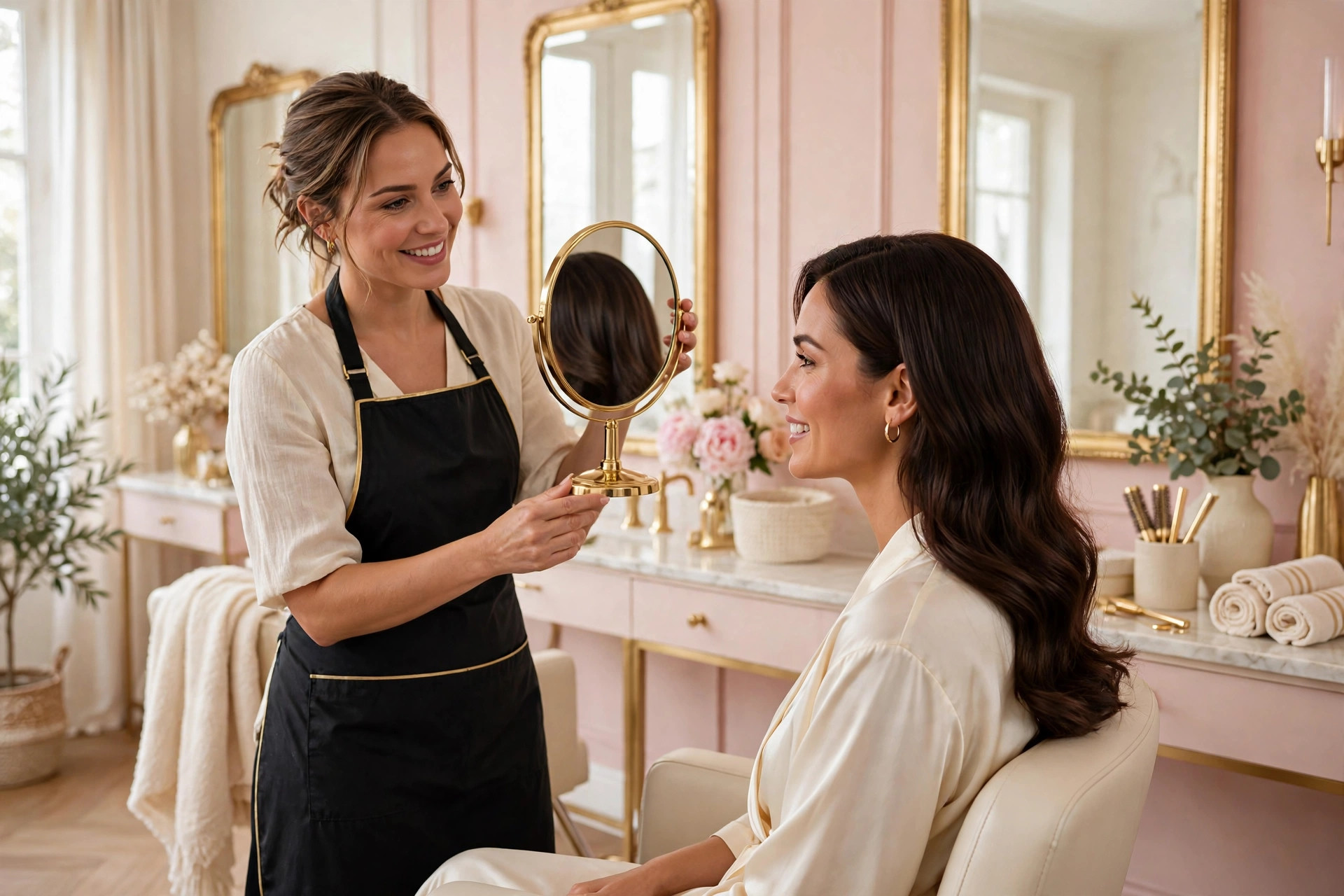
Here is the part most people get wrong: they show one photo and say “like this” without describing what they love about it. Your stylist needs words as well as pictures. Try these phrases:
- “I want a rich, dimensional brunette — soft ribbons, not stripes.” This tells them you want subtle movement, not bold highlights.
- “Keep me close to my natural depth.” Dermatologists note that staying within three shades of your natural colour minimises damage, since going lighter needs stronger lightening agents (American Academy of Dermatology, via Newswise).
- “Can we add a gloss for shine?” A gloss (also called a toner) is the secret weapon. It adds that lit-from-within shine and evens out the tone.
- “I want it to grow out softly.” This signals blended placement — no harsh regrowth line in six weeks.
- “Can we check the colour in natural light?” Salon lighting can flatter any colour. A quick look by the window shows the true tone.
Also describe your lifestyle honestly. If you wash daily, heat-style often, or cannot return for eight weeks, say so — the best results come from planning for your real life.
Which shade of brunette will flatter my skin tone?
Quick answer: Cool skin tones glow with espresso, mocha and ash-brown shades; warm skin tones suit chestnut, caramel and golden brown. If your skin is neutral, you can wear almost any brunette shade.
The “right” brunette makes your skin look awake and even. A quick way to read your undertone: look at the veins on your inner wrist in daylight. Blue or purple veins usually mean cool undertones; green usually means warm; a mix means neutral.
- Cool undertones: ask for espresso, dark mocha, or a cool ash brown.
- Warm undertones: ask for chestnut, warm chocolate, or caramel-kissed brunette.
- Neutral undertones: most brunette shades work — pick based on how bold or soft you want the effect.
- Very fair skin: avoid going too dark and flat, which can wash you out. A slightly lighter, dimensional brunette usually flatters more.
- Deep skin: rich chocolate and espresso look stunning; soft caramel ribbons add glow without going brassy.
How do I ask for dimension without harsh highlights?
Quick answer: Ask for a root melt, soft balayage or fine face-framing pieces instead of traditional highlights. Keep the lighter tones within two shades of your base and request blended, diffused placement with no harsh lines.
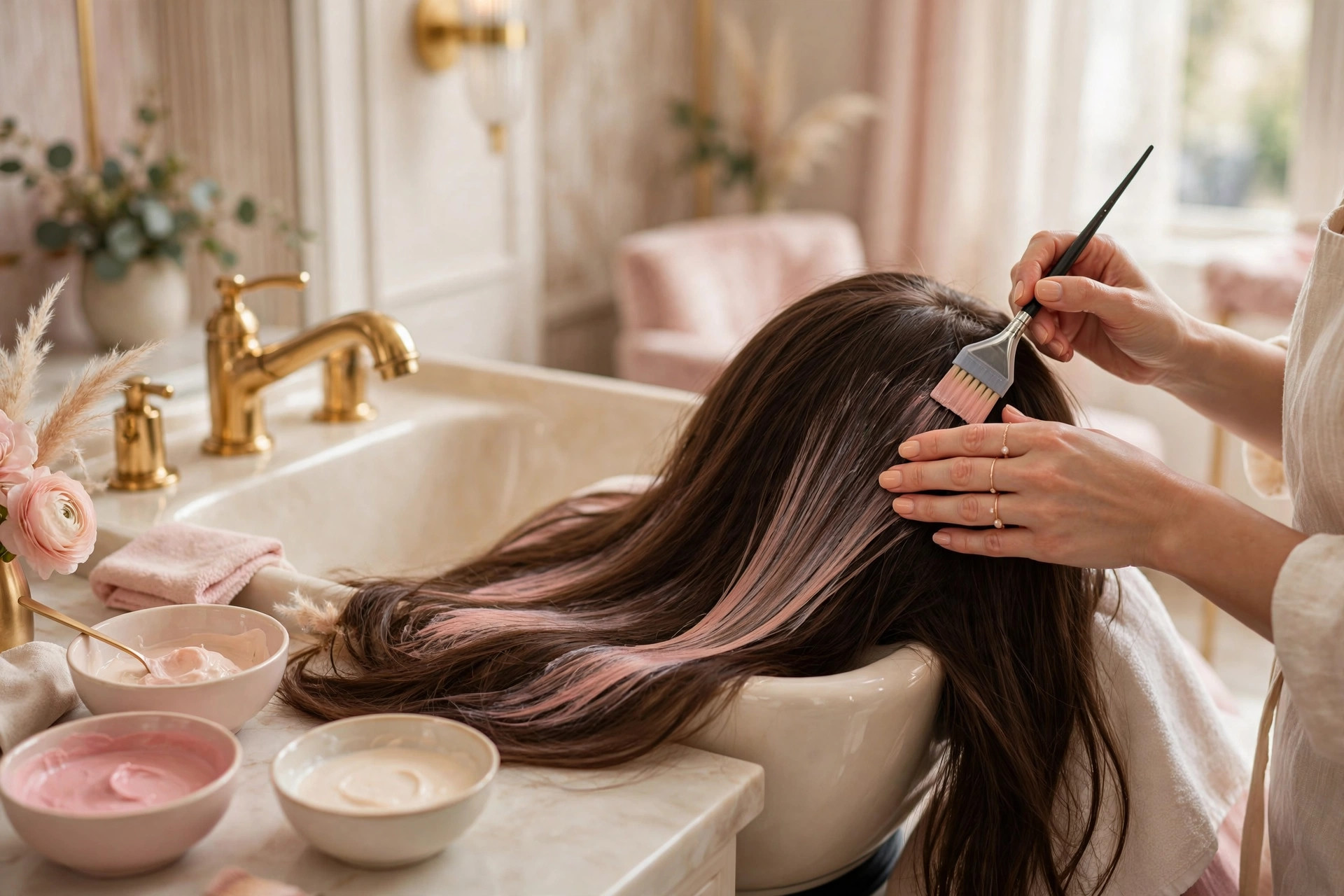
This is the number one request behind the expensive brunette trend. Most of us want movement and light in our hair — just not stripy hair. The magic words are “blended” and “diffused”:
- Root melt: blends your natural root colour down into the lighter lengths, for the softest grow-out.
- Soft balayage: hand-painted for a sun-kissed effect. Ask for “subtle” and “lived-in” so it stays brunette.
- Fine face-framing pieces: delicate lighter strands around the face, without lightening the whole head.
- All-over gloss: if your hair is already brown, a gloss alone adds richness and shine with almost no commitment.
The golden rule: keep lighter pieces within one or two shades of your base colour — the smaller the contrast, the more expensive it looks. Showing your stylist what “too light” means to you is just as helpful as showing what you love.
What to ask for if your expensive brunette hair has gone flat or dull
Quick answer: Ask for a gloss or toner refresh, a small trim, and advice on your washing routine. Dullness often comes from product build-up, sun fading or over-washing rather than the colour itself.
Even the prettiest brunette can lose its glow after a few weeks. Before you book a full recolour, ask your stylist about these gentler fixes:
- A gloss refresh: a quick in-salon gloss restores shine and richness in under an hour, with far less commitment than a full colour.
- A dusting trim: dry, split ends do not reflect light, so colour looks dull. Removing even a centimetre can bring the shine back.
- A clarifying reset: build-up from styling products can coat the hair and mute the colour. Ask your stylist about a gentle clarifying wash before your next gloss.
- Sun protection: dermatologists warn that sun can leave dyed hair weak, dry, rough, faded and brittle, and recommend a wide-brimmed hat outdoors (American Academy of Dermatology, via Newswise).
If the colour has gone brassy, say exactly that: “My brunette has gone brassy — can we tone it cooler?” A toner can neutralise unwanted warmth without changing your depth.
Expensive brunette hair: how do I keep the colour rich between appointments?
Quick answer: Wash less often with lukewarm water, use shampoo and conditioner made for colour-treated hair, deep-condition weekly, protect from heat and sun, and book a gloss refresh every 6 to 8 weeks.
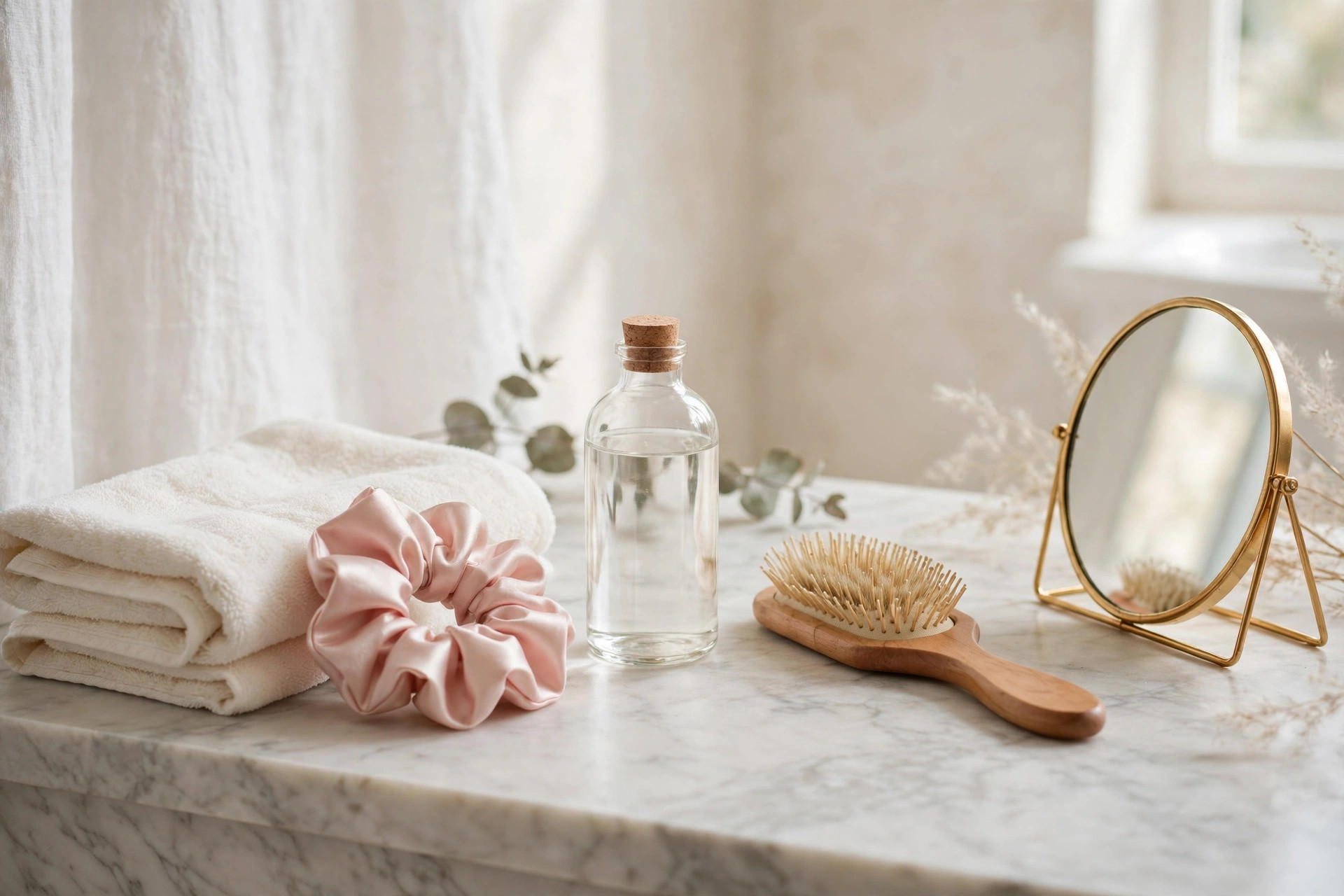
Salon colour is an investment, and a gentle home routine protects it. These small habits make the biggest difference to how long that rich, glossy tone lasts:
- Wash less, and cooler: try two to three times a week instead of daily, using warm rather than very hot water. Dermatology guidance for colour-treated hair recommends shampooing and conditioning with warm water to help preserve colour (dermatologycare.ca).
- Use colour-safe formulas: choose a shampoo and conditioner made for colour-treated hair, which are gentler on the dye.
- Deep-condition weekly: a weekly mask keeps hair smooth so it reflects light — and smooth hair always looks more expensive.
- Protect from heat: always use a heat protectant before hot tools, and lower the temperature when you can.
- Shield from sun and chlorine: wear a hat in strong sun and wet hair with clean water before swimming, so it absorbs less chlorine.
One gentle reminder: if you ever try a new at-home colour product, dermatologists advise a patch test first, following the instructions carefully, and stopping use if you notice redness, swelling or itching (American Academy of Dermatology, via Newswise).
Which colour technique should I ask for?
Quick answer: Choose an all-over gloss for shine with no commitment, a root melt for the softest grow-out, or soft balayage for natural-looking dimension. Match the technique to how often you are willing to visit the salon.
Not sure which technique matches your lifestyle? This comparison should help you decide before your consultation:
| Technique | Best for | Grow-out | Salon visits |
|---|---|---|---|
| All-over gloss | Adding shine and richness to existing brown hair | Seamless — fades gradually | Every 6–8 weeks |
| Root melt | Blending roots into lighter lengths softly | Very soft, no harsh line | Every 8–12 weeks |
| Soft balayage | Natural, sun-kissed dimension | Soft and lived-in | Every 10–16 weeks |
| Fine highlights | Brighter dimension around the face | Noticeable regrowth | Every 6–10 weeks |
| Single-process colour | Going darker or covering grey evenly | Visible root line | Every 4–8 weeks |
For the true expensive brunette effect, most stylists combine two techniques — for example, a root melt with soft balayage, finished with a gloss. Ask your stylist which combination suits your hair length and texture.
Expensive brunette FAQs
Quick answer: Expensive brunette suits most hair types, works on previously coloured hair with the right plan, and needs a salon visit every 6 to 12 weeks depending on the technique. Always discuss damage history with your stylist first.
Does expensive brunette work on already-dyed hair?
Yes, but share your full colour history, including any box dye. Previous colour affects how new colour takes, and your stylist may need an extra step for an even result. Honesty here saves you from surprises.
How often will I need salon appointments?
It depends on the technique. A gloss refresh every 6 to 8 weeks keeps the shine alive, while balayage or a root melt can stretch to 10 to 16 weeks. Ask for a maintenance plan at your first appointment.
Will expensive brunette suit me if my hair is naturally very dark?
Absolutely — very dark hair is the perfect starting point. Your stylist can add subtle dimension with slightly lighter ribbons or simply deepen and gloss your natural shade. Going darker rather than lighter is also gentler on the hair, according to dermatologist guidance on minimising colour damage.
Is the expensive brunette trend damaging for hair?
Any chemical colour involves some stress on the hair, but expensive brunette is one of the gentler trends because it stays close to your natural depth and avoids heavy lightening. Tell your stylist about any breakage or sensitivity. If you notice unusual shedding or scalp irritation, see a dermatologist.
Ready for your glossiest hair era? Save this guide, gather three to five reference photos you genuinely love, and book that consultation with confidence. The expensive brunette look proves the prettiest hair is not the most dramatic — it is the healthiest-looking.
Leave a Reply