Last updated: November 2026
Quick answer: Fall baking works as self-care because it slows you down, keeps your hands busy, and ends with something warm to share. Choose one simple recipe, set aside an unhurried evening, and let measuring, mixing, and waiting become a calm ritual rather than another task.
There is a moment every fall baker knows. The oven is warm, the kitchen smells of cinnamon and brown sugar, and for the next hour nothing is required of you except to be exactly where you are. No notifications that cannot wait, no decisions more complex than one more minute, or is it done? In a season that can feel grey and rushed, baking offers something rare: an hour of warmth, rhythm, and delicious purpose.
Fall baking as self-care is not about producing bakery-perfect showpieces or impressing anyone. It is about the process: the measuring and mixing, the waiting and watching, the small satisfactions of dough rising and edges turning golden. Psychologists sometimes talk about the value of flow activities, absorbing hands-on tasks that quiet a busy mind. Baking is one of the most accessible flow activities there is, and it comes with cake at the end.
This guide is an invitation to slow down and bake this fall, not as another task on the list, but as a ritual. We will look at why baking works so well as self-care, how to set up a slow baking evening, nine cozy recipes to carry you through the season, and the little touches that turn an ordinary bake into a genuine moment of restoration.
Why Does Baking Count as Real Self-Care?
Baking counts as self-care because it absorbs the mind without demanding perfection, engages all the senses, and produces something tangible to enjoy or share. It is doing, not buying, and that hands-on rhythm is what makes it genuinely restorative.
Self-care has a reputation problem. It is often sold as something you buy, a bath product, a candle, a face mask, when the most restorative version is usually something you do. Baking belongs firmly in the doing category, and it ticks an unusual number of self-care boxes at once.
- It is absorbing without being demanding. Following a recipe gives your mind just enough to focus on, measure this, stir that, set the timer, that the usual mental loops quiet down. You cannot easily ruminate about work emails while creaming butter and sugar. Many bakers describe the same calm they get from gardening or knitting: hands busy, mind at rest.
- It engages the senses completely. The silk of flour between your fingers, the spice hitting warm butter, the transformation in the oven’s heat, the first warm bite. Baking is a full-sensory experience in a life that is often lived entirely through screens. That sensory richness is part of why it feels so grounding, especially in autumn when we naturally crave warmth and comfort.
- It produces something tangible. So much of modern life is invisible effort: emails sent, meetings attended, tasks completed and immediately forgotten. A tray of warm scones is the opposite: real, shareable proof of an hour well spent. That sense of having made something nourishes a part of us that digital work rarely reaches.
- It is generous by nature. Recipes almost always make more than one person needs, which means baking naturally becomes sharing, with family, neighbours, colleagues, or the friend who needs a surprise parcel. Giving away something you made with your own hands is its own quiet joy.
How Do You Set Up a Slow Baking Evening?
A slow baking evening works when nothing is rushed and nothing is waiting to interrupt you. Pick a free evening, read the recipe first, measure everything in advance, put your phone away, and tidy gently as you go.
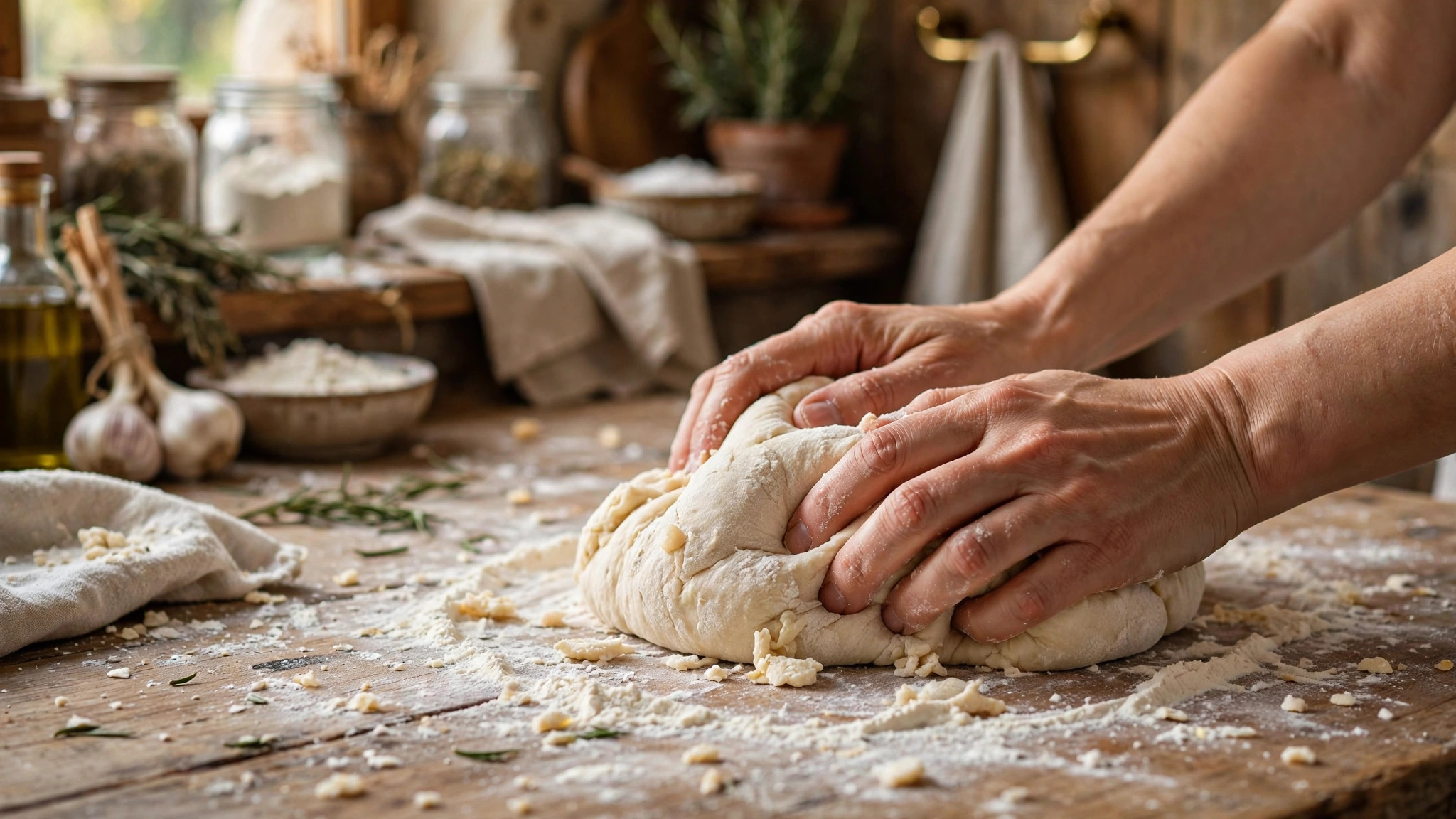
The difference between baking as a chore and baking as a ritual is mostly about pace and atmosphere. A slow baking evening is deliberately unhurried. Here is how to create one:
- Choose your evening. Pick a night with nothing after it. Friday and Saturday evenings are natural choices, but a quiet weeknight works just as well. The key is no time pressure. Slow baking and a tight deadline do not mix.
- Set the scene. Put on music or a comforting podcast, light a candle away from the work area, and change into something comfortable. Treat the kitchen the way you would treat a cosy reading nook. This is your space for the next couple of hours.
- Read the recipe fully first. Nothing shatters calm like discovering mid-bake that the dough needs two hours to chill. Read everything, check you have all the ingredients, and line them up before you start. Bakers call this mise en place. It is also just good stress prevention.
- Gather and measure. Measure everything into small bowls before you begin mixing. It feels luxurious, it prevents mistakes, and it turns the actual baking into a smooth, flowing process rather than a frantic hunt through cupboards.
- Put the phone away. Not on silent on the counter, actually away, in another room if you can manage it. A slow baking evening is a break from the feed as much as it is about the food. Use a kitchen timer instead of your phone.
- Clean as you go, gently. Wash a bowl while something bakes. Wipe the counter while dough rests. Future you, facing a tidy kitchen and a warm tray, will be deeply grateful. But do it lazily. This is rhythm, not efficiency.
Notice the theme: every step removes friction and hurry. A slow baking evening is not about doing less. It is about doing one thing, fully, at a human pace. That pace is the self-care.
Which Nine Cozy Recipes Suit the Season Best?
These nine bakes move from easy to ambitious, using apple, pumpkin, cinnamon, maple, pear, and ginger. Start with crumble or muffins if you are new, save pie and cinnamon rolls for a lazy weekend, and let confidence grow one bake at a time.
Fall baking has its own flavour palette, apple, pumpkin, cinnamon, nutmeg, brown butter, maple, pear, ginger, and its own rhythm: bakes that fill the house with warmth and taste like the season. Here are nine to carry you from early October through to the holidays, roughly in order of effort:
- Classic apple crumble. The gateway fall bake: sliced apples tossed with sugar and cinnamon under a buttery oat topping. One dish, impossible to get wrong. Serve warm with cream or ice cream.
- Pumpkin spice muffins. Tender, warmly spiced, and ready in about half an hour. Make a double batch. They freeze beautifully and make wonderful lunchbox or breakfast additions all week.
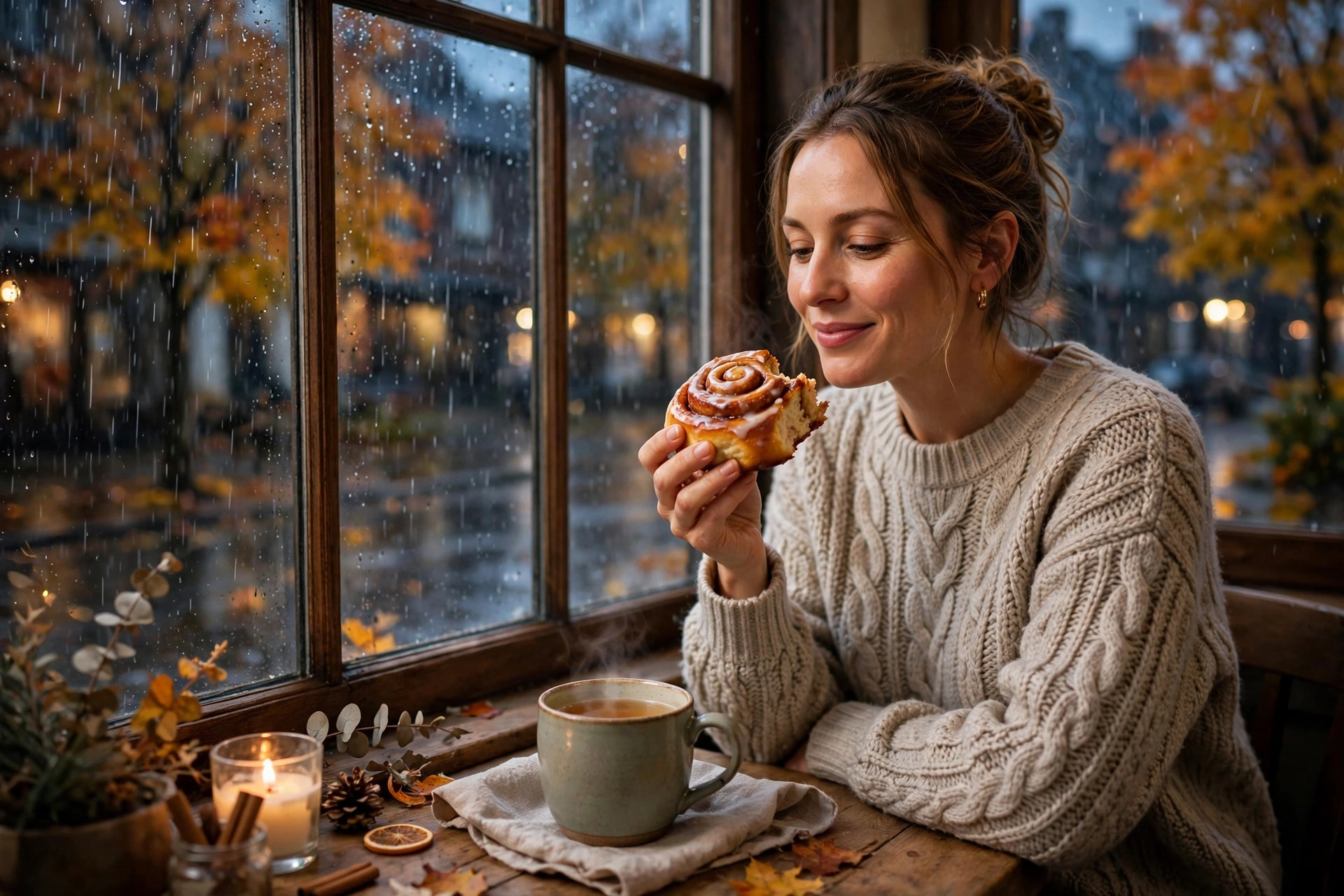
- Cinnamon rolls. The ultimate slow-evening bake. Soft dough, cinnamon-sugar swirl, warm glaze. They take a couple of hours with rising time, which makes them perfect for a lazy Saturday. The waiting is part of the pleasure.
- Banana bread, autumn edition. Add chopped walnuts, a spoonful of maple syrup, and a pinch of nutmeg to your usual loaf. It is the cosiest possible use for three overripe bananas.
- Pear and almond cake. Elegant but easy: sliced pears fanned over a simple almond batter. It looks like a patisserie window and tastes like a hug. Lovely with afternoon tea.
- Gingerbread loaf. Deep, dark, and fragrant with ginger, molasses, and cloves. This is the bake that makes the whole house smell like December arrived early, in the best way.
- Maple pecan pie bars. All the glory of pecan pie in sliceable bar form. Easier to make, easier to share, easier to eat one more of. A dangerous and wonderful thing.
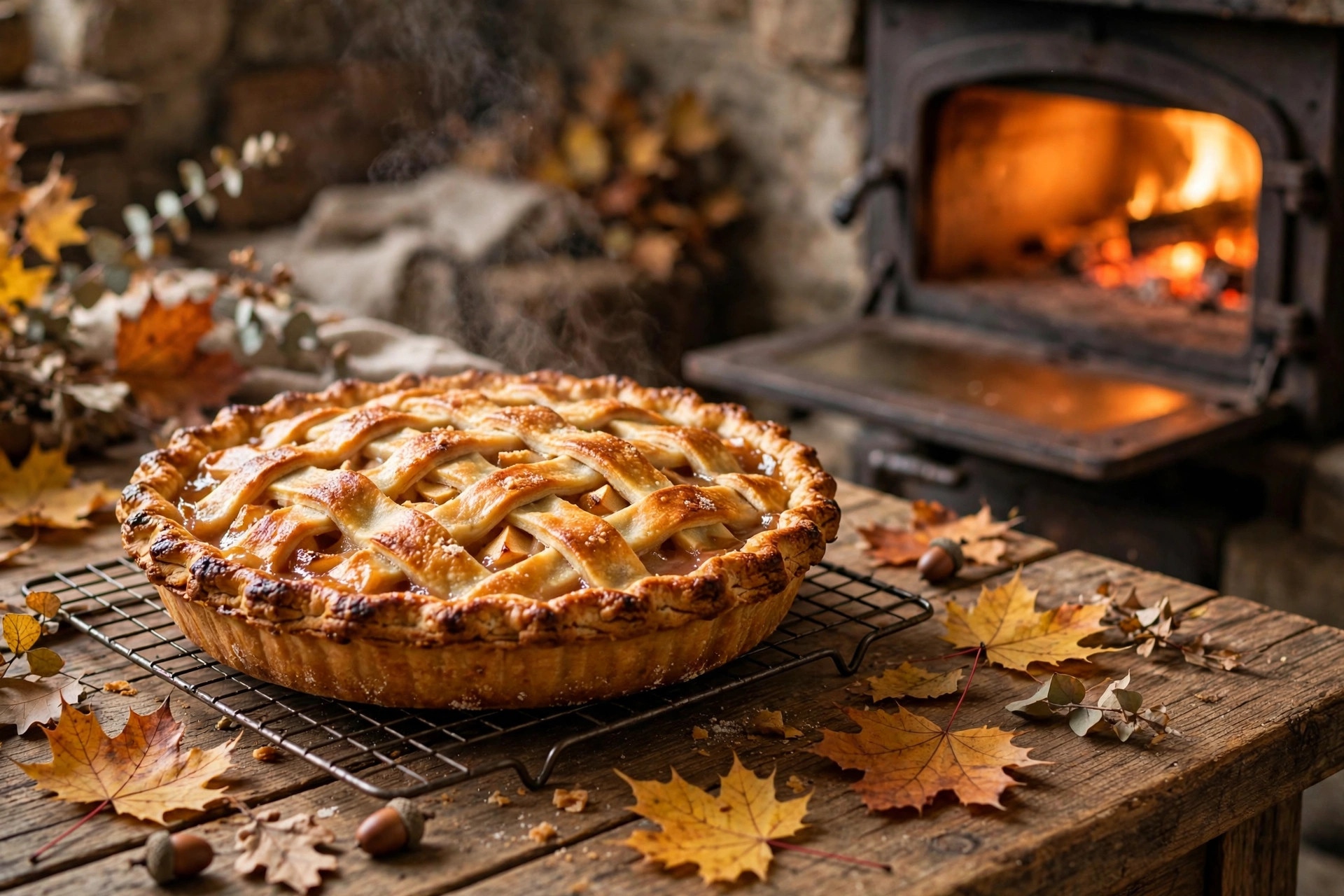
- Classic apple pie. The showpiece. A flaky crust, spiced apples, a lattice top if you are feeling artistic. It takes an afternoon, and that is exactly the point. This is slow baking at its finest.
- Spiced hot chocolate brownies. Fudgy brownies with cinnamon and a whisper of cayenne, served warm. The grand finale of fall baking: chocolate, spice, and a little bit of drama.
A few practical notes for the season. Room-temperature ingredients really do mix better, so take butter and eggs out an hour before you start. An oven thermometer is a small tool that prevents the most common baking frustration, an oven that runs hot or cold. And when a recipe says “until golden”, trust your eyes and nose over the timer. Every oven has its own personality.
Britannica describes cinnamon as a spice obtained from the bark of cinnamon trees, which is one reason it pairs so naturally with warm autumn bakes. Britannica also notes that yeasts are fungi used in baking and brewing, and in baking they are what help dough rise into something soft and light. In our experience, understanding those two basics makes recipes feel far less mysterious.
If you are new to baking, start at the top of the list and work down as your confidence grows. There is no exam at the end, only progressively more delicious evenings.
What Little Rituals Make Baking Feel Special?
Small rituals turn baking into a tradition: a first warm slice for the baker, a thoughtful tea pairing, parcels shared with neighbours, and a simple bake journal. Add basic oven safety, and the evening stays calm from start to finish.
Once the baking itself becomes comfortable, the magic moves into the margins, the small rituals around the bake that turn it from an activity into a tradition. These are the details that make fall baking feel like self-care rather than just cooking:
- The first-slice ceremony. When the bake comes out, cut yourself the first warm slice before anyone else gets near it. Eat it slowly, standing in the warm kitchen if you like. The baker’s privilege is real and should be exercised.
- Tea pairing. Match your bake to a proper drink: chai with cinnamon rolls, earl grey with pear cake, hot chocolate with brownies. A thoughtful pairing elevates an ordinary evening into an occasion.
- The sharing ritual. Wrap up portions for neighbours, friends, or colleagues. A still-warm parcel of muffins handed over a doorstep is one of life’s great small kindnesses, and people remember it far longer than you would expect.
- The seasonal bake journal. Keep a simple notebook of what you baked, when, and any tweaks you made. Over the years it becomes a delicious diary of autumns, and next October, you will know exactly which apple crumble recipe was the best one.
- The rainy-day bake. Save one special recipe for the first truly miserable rainy day of the season. When the weather turns, you will have a warm kitchen and a plan, which transforms a gloomy day into a cosy one.
- The wind-down bake. End the evening the way you began it: slowly. Tidy the kitchen lazily, make tea, and eat your creation somewhere comfortable. Let the evening taper rather than stopping abruptly.
Kitchen safety deserves a brief, practical mention, because calm evenings stay calm when basics are covered:
- Keep a dry cloth or oven mitts, never damp ones, for hot trays, since damp fabric conducts heat.
- Turn pot and pan handles inward so nothing gets knocked.
- Keep children and pets at a sensible distance from the hot oven.
- Never leave baking unattended for long stretches.
None of this is dramatic. It is just the quiet competence that lets you relax fully.
Fall will do what fall does. The light will fade early, the rain will come, the evenings will draw in. But in your kitchen, the oven will be warm, the air will smell of cinnamon, and for a little while the world will be exactly the right size. That is what slow baking gives you: not just something sweet, but an evening that felt like yours. Happy baking.
Leave a Reply