Last updated: October 2026
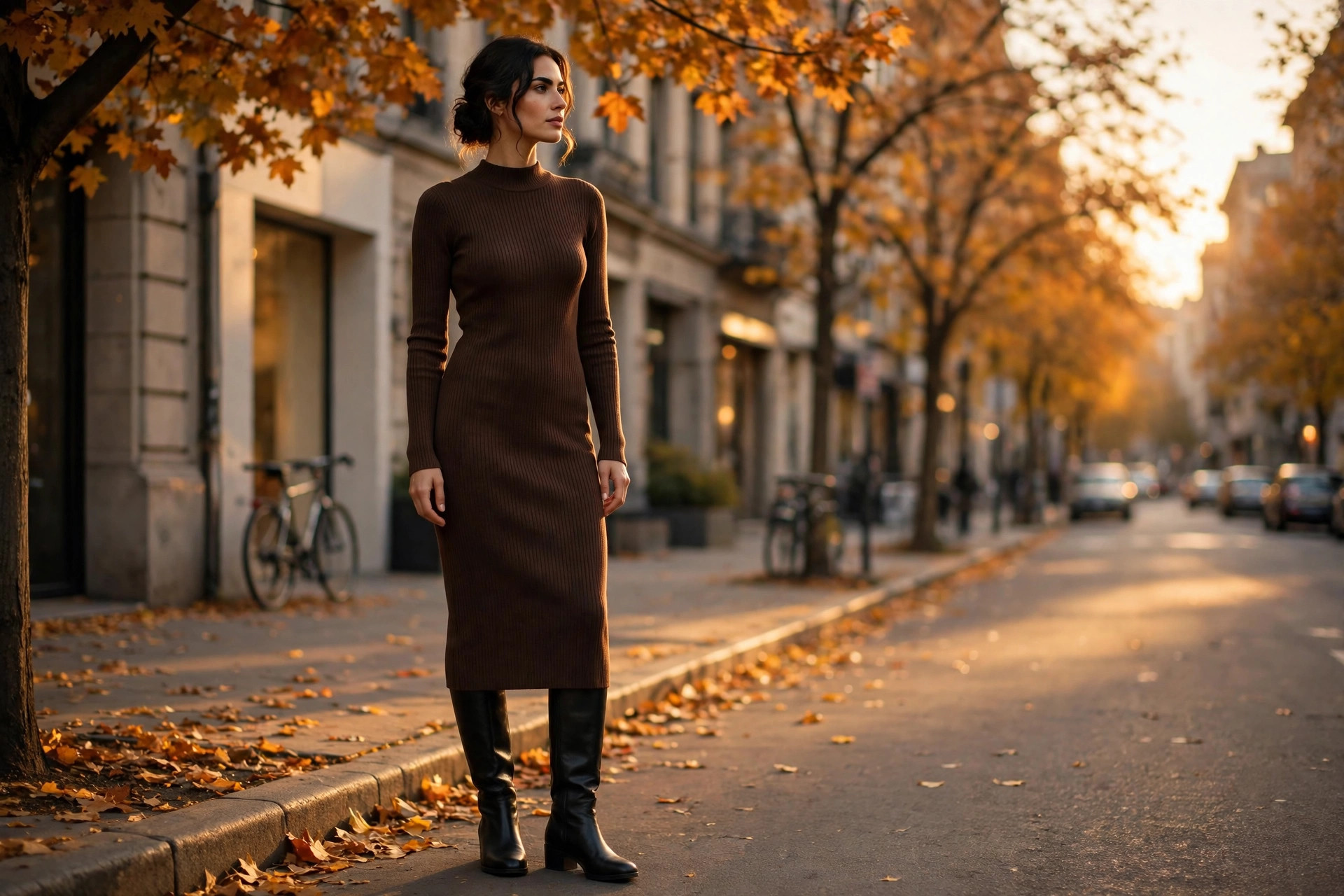
Quick answer: A second-skin dress is a body-skimming stretch-knit dress that follows your shape without squeezing it. Choose a mid-weight ribbed or ponte knit in a midi length, check that it skims rather than pulls, and layer it with an oversized blazer or long coat for autumn.
There is a particular confidence that comes from a dress that fits like it was made for you, and this autumn that dress has a name: the second-skin dress. Sleek, minimal and quietly powerful, it is far more versatile than its slinky reputation suggests. In our experience, the women who wear it best are not one body type. They are simply women who found the right fabric, the right length and the right styling.
Consider this your complete manual: why the silhouette works, how to find your perfect fit, the autumn fabrics that flatter most, layering tricks that add warmth without bulk, and styling for your busiest days and your best evenings.
Why Is the Second-Skin Dress Everywhere This Fall?
After several years of oversized everything, fashion has swung back toward a cleaner, closer line, and the second-skin dress is the purest expression of that shift. It feels modern because it is honest: no excess fabric, no hiding, just a smooth line from shoulder to hem.
Its real power is versatility. The same dress that looks minimal and professional under a blazer in the morning can look striking with heels and a bold lip in the evening. Few silhouettes travel that distance with so little effort, which makes it a capsule-wardrobe hero disguised as a statement piece.
It is also supremely comfortable, a fact the slinky photos do not convey. A good stretch knit moves with you, does not crease, does not need constant adjusting, and forgives a big lunch. In autumn’s knit-friendly weather, it feels like wearing your favourite jumper in dress form, and the elegance is almost accidental.
How Do You Find Your Perfect Fit?
Fit is everything with this silhouette, so start with one simple test: the dress should skim, not squeeze. You should be able to pinch about an inch of fabric at the hip; any less means it is too tight, and much more means it is too loose.
Use this checklist when you try one on:
- Skim test: pinch about an inch of fabric at the hip, with no pulling across the stomach or back.
- Sit test: sit down in the fitting room and check the hem length, neckline and whether the fabric rides or pulls.
- Move test: walk, sit and reach. The dress should move with you, not against you.
- Stretch test: stretch the fabric over your hand in the shop and check it is not see-through.
Neckline changes the whole character of the dress, so try a few before deciding:
| Neckline | Feel | Best for |
|---|---|---|
| High crew or mock neck | Elegant and covered | Work, and anyone who prefers less neckline exposure |
| Scoop or square neck | Softer and more feminine | Everyday wear and softer styling |
| V-neck | Lengthening | Elongating the torso |
| Polo collar | Preppy twist | A current, casual-smart look |
Length is your next decision. Midi, ending around mid-calf, is the most versatile and the most autumn-appropriate: it works with boots, looks polished and suits nearly everyone. Knee-length is classic and office-friendly, maxi styles are dramatic and evening-ready, and mini versions are fun but least versatile, so save those for nights out.
Sleeves deserve thought too. Long sleeves make the dress a complete cold-weather outfit on their own and look incredibly sleek. Short sleeves work for transitional weather, while sleeveless versions are layering canvases, made to go over roll-necks. At the hem, a straight finish is minimal, a slightly flared hem adds movement, and a slit adds both leg room and allure.
Which Fabrics Work Best for Autumn?
Ribbed knits, ponte knits and fine merino blends are the autumn winners for this silhouette, because the best second-skin fabrics have structure: enough weight to smooth, enough stretch to move, and enough opacity to need no strategising.
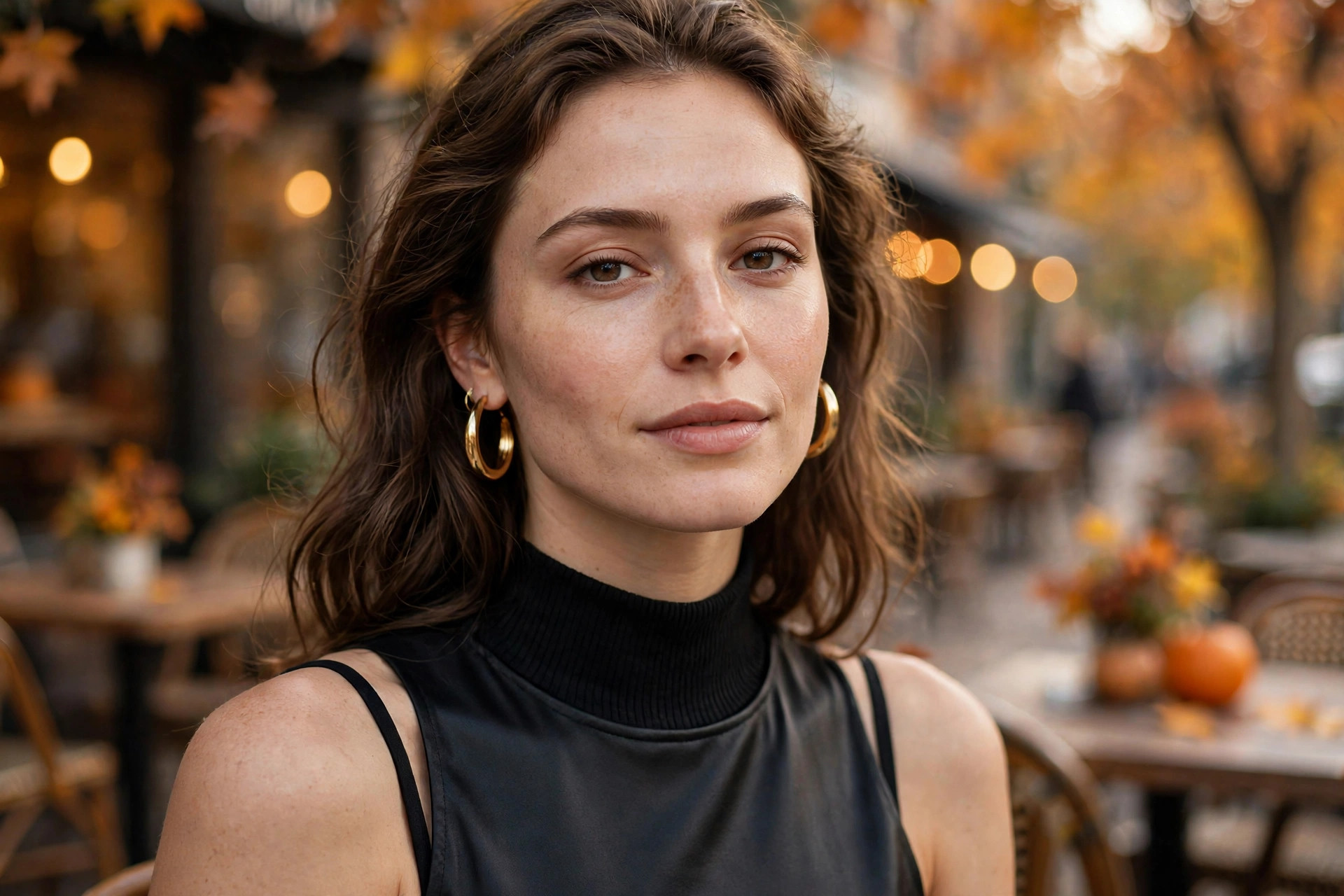
Fabric is what separates a second-skin dress that looks expensive from one that looks cheap, so this is where to focus your attention. Compare your options:
| Fabric | What it gives you | Best for |
|---|---|---|
| Ribbed knit | Vertical ribs create a flattering line and built-in structure | The single best everyday purchase, in black, espresso or forest green |
| Ponte or scuba-style knit | Thick, shape-holding, smoothing double knit | Work, because it reads polished and structured |
| Fine merino or cashmere blend | Beautifully soft, draping, warm without weight | Luxury feel; fit matters even more here as it shows more of your shape |
| Knit with a subtle sheen | Glow without glitter | Evening, especially with a touch of metallic thread |
Merino sheep are famed for their fine, soft wool, according to Britannica, which is why merino blends feel so soft against the skin. For evening, velvet deserves a mention too: Britannica describes velvet as a fabric with a short, dense pile, and that soft pile is what makes a velvet second-skin dress glow in low light.
What to avoid: thin, clingy jersey with no recovery, which bags at the knees and seat by noon; anything see-through when stretched; and very shiny cheap synthetics that highlight rather than smooth. Quality fabric is the entire trick of this trend.
How Do You Layer It Without Adding Bulk?
Fitted dresses are actually easier to layer over than bulky ones, because coats and jackets glide over a smooth base instead of catching on volume. The trick is simply getting the layering order right, starting thin underneath and building outward.
Underneath first: a thin roll-neck or long-sleeve top under a sleeveless or short-sleeve second-skin dress is the signature autumn styling move. Keep the underlayer fine-gauge and close-fitting, since a chunky knit underneath defeats the purpose. Match it tonally, such as black under black or cream under camel, for seamlessness, or contrast it deliberately, such as a white roll-neck under a black dress, for graphic chic.
Over the top, try these combinations:
- Oversized blazer: structure over softness; the dress’s clean line keeps the blazer from overwhelming you.
- Long wool coat, worn open: shows the full column of the dress.
- Cropped jacket: defines the waist.
- Chunky cardigan, worn open: softens the whole look for weekends.
Tights and boots complete the cold-weather formula. Opaque black tights with a black dress create one long unbroken line, which is lengthening and elegant. Knee-high or over-the-knee boots with a midi dress leave just a sliver of leg or none at all, which is both warm and striking, while ankle boots work with every length.
The belt question: a belt over a second-skin dress defines the waist and adds polish, but it breaks the second-skin line. Use one when you want structure, for work or events, and skip it when you want sleekness, for evening or minimal looks. Both are correct; it is a mood choice.
How Do You Style It for Evenings?
Come evening, the second-skin dress needs almost nothing to look extraordinary, which is precisely its charm. The silhouette does the work; your job is simply to add glow and finish.
Start with fabric and colour after dark. Black is the obvious evening choice and it never fails, but consider deep jewel tones such as emerald, burgundy or midnight navy, or a dress with a subtle sheen. A long-sleeve maxi in a dark tone with heels is a complete evening outfit in a single piece.
Your evening checklist:
- Shoes: strappy heels, pointed heels or heeled knee-high boots. Keep the shoe sleek to match the dress’s line, and try metallic heels for a celebratory note.
- Jewellery: one strong choice rather than a jumble, such as sculptural gold earrings, a cuff bracelet, or a long pendant that follows the dress’s vertical line.
- Makeup: a bold lip or a smoky eye, but pick one, not both.
- Bag: an elegant clutch to complete the transformation.
Day dress to evening look in five minutes: that is the superpower of this silhouette.
How Do You Style It Down for Daytime?
The dress’s secret life is as a daytime workhorse, and styling it down is mostly about what you add: flat shoes, soft layers and relaxed accessories that say Tuesday rather than event.
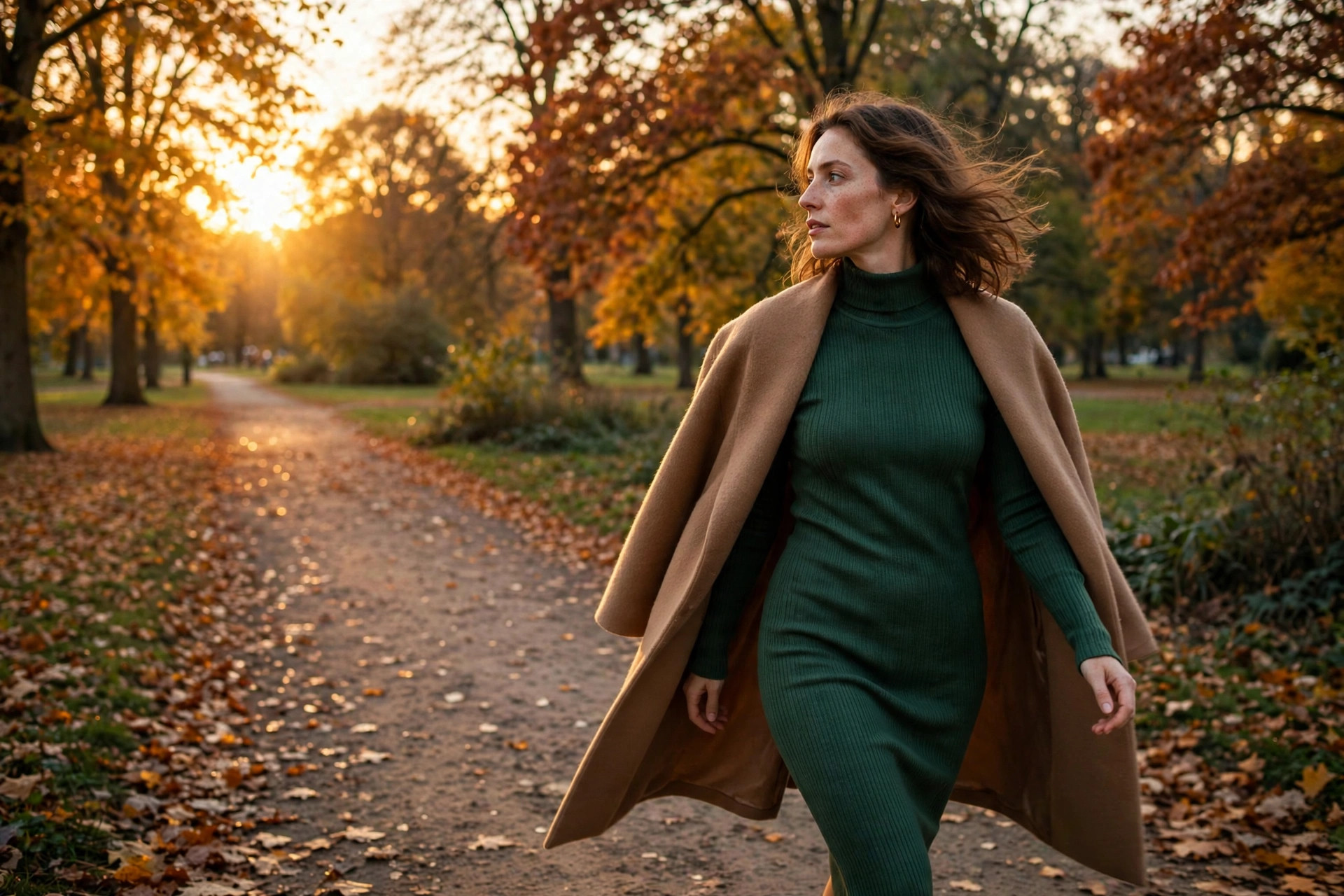
Three daytime formulas cover most of life:
- For work: a midi second-skin dress in black, navy or espresso, an oversized blazer, loafers or ankle boots, minimal jewellery and a structured tote. The blazer adds authority and the dress adds polish. In creative workplaces, swap the blazer for a chunky open cardigan.
- For weekends: the same dress with white sneakers or flat Chelsea boots, a denim jacket or puffer vest, a crossbody bag and a cosy scarf. The contrast between the sleek dress and casual layers is what makes it interesting.
- For errands and real life: flat knee-high boots, a long coat thrown over, a big tote and hair up. The dress does the put-together work while everything else prioritises comfort.
The daytime rule of thumb: the sleeker the dress, the more relaxed everything else can be. Let the silhouette carry the polish and keep the styling easy.
What Should You Wear Underneath for Confidence?
Confidence in this dress is mostly preparation, so it is worth addressing the practical side honestly. Seamless underwear is the foundation: look for laser-cut, no-show briefs and a smooth, well-fitting bra in a colour close to your skin or the dress.
Shapewear is entirely optional. Many women skip it completely in a good ribbed or ponte fabric, and if you like light smoothing, choose it for comfort, not correction. A slip can be transformative under thinner knits: a simple nude slip skirt smooths the hip line and prevents clinging.
Two small practical tips make a real difference:
- Static: keep a small anti-static spray in your bag in dry autumn weather, and remember that moisturised skin clings less than dry skin.
- Tailoring: hemming a midi to your perfect length costs little and makes the dress look custom-made.
Above all, wear the dress; do not let it wear you. Stand tall, move naturally and trust the fit work you have done. The second-skin dress is not about having a particular body. It is about a silhouette that celebrates the body you have, in the softest, sleekest way autumn allows, and that confidence is the real trend.
Leave a Reply