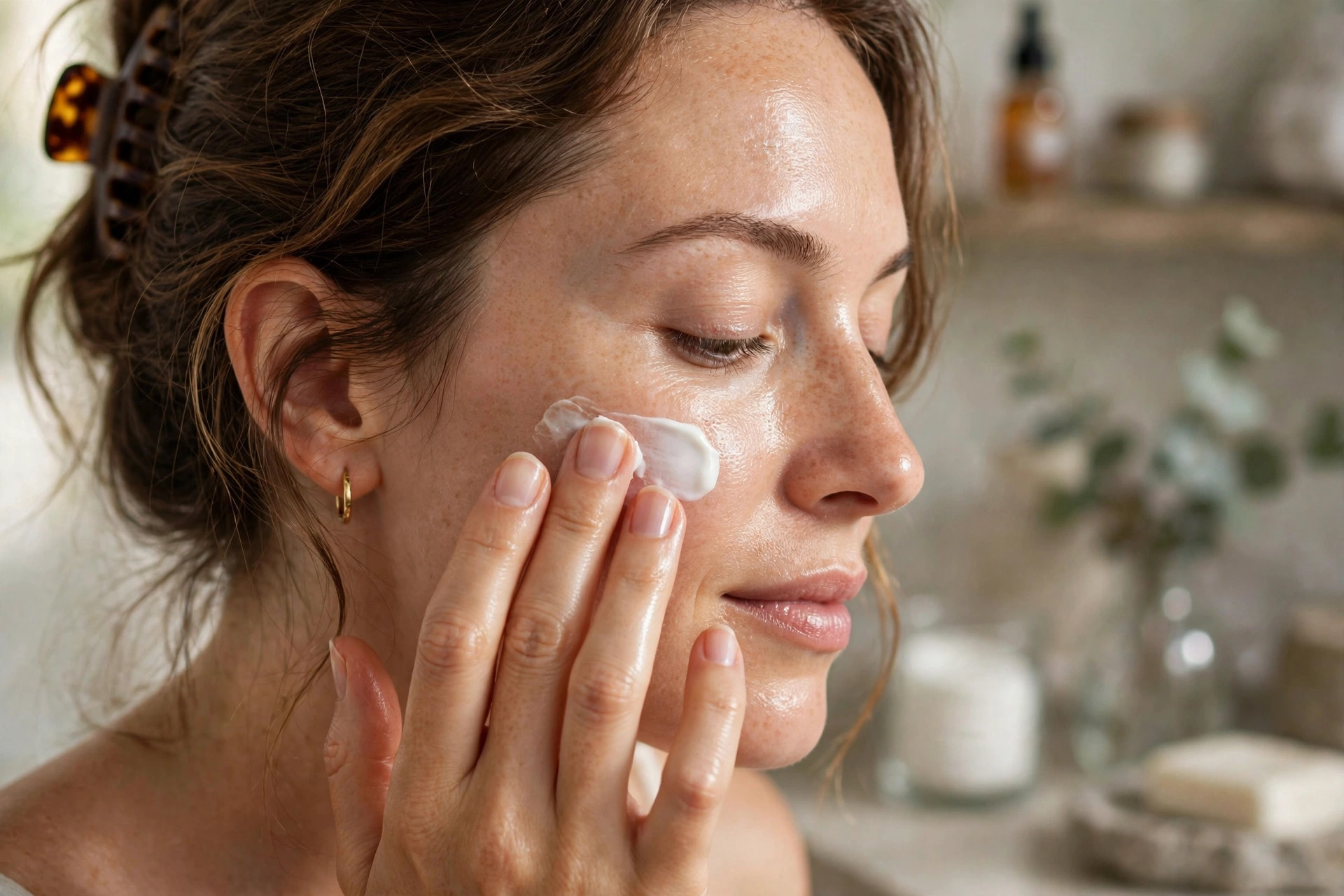
There is a reason your social feeds are suddenly full of thick creams in clinical-looking jars: the skin barrier has become the skincare conversation of fall 2026. After a summer of sunscreen, sweat, and perhaps one too many exfoliating acids, autumn arrives with cold winds and dry indoor heating — and many of us notice our skin feeling tight, looking dull, or reacting to products that never bothered it before. The culprit, more often than not, is a compromised skin barrier. And the fix the internet has collectively landed on is the barrier-repair cream.
But what does “barrier repair” actually mean, and do these creams do anything an ordinary moisturiser does not? The honest answer is: yes, when they are well formulated — and no, when they are just marketing. This guide will help you tell the difference. You will learn what your skin barrier does, how to recognise when it needs help, which ingredients genuinely support repair, how to choose the right cream for your skin type, and the simple routine that brings your skin back to comfort. No fear-mongering, no miracle promises — just practical, skin-kind advice.
What Your Skin Barrier Actually Does
Your skin barrier — technically the stratum corneum, the outermost layer of your skin — is a remarkably clever structure. Picture a brick wall: the “bricks” are dead skin cells (corneocytes), and the “mortar” holding them together is a mixture of lipids — ceramides, cholesterol, and fatty acids. This wall has two jobs: keep moisture in, and keep irritants out. When it is intact, your skin feels comfortable, looks plump, and tolerates your products without complaint.
When the wall is damaged, the symptoms are unmistakable: water escapes (so skin feels tight and looks dehydrated), and irritants get in (so products sting, redness appears, and breakouts can follow). A damaged barrier can make even gentle products feel harsh, which is why the standard advice — “just moisturise more” — sometimes fails. If the mortar is missing, piling on more bricks does not fix the wall. You need the right materials.
Autumn is prime barrier-damage season. Cold air holds less humidity, so it literally pulls moisture from your skin. Indoor heating does the same. Hot showers feel wonderful in October but strip lipids fast. And many of us enter autumn with a summer backlog of barrier stress — too much exfoliation, too many actives, not enough recovery. It is no wonder searches for barrier repair spike every fall.
The Signs Your Barrier Needs Help This Fall
How do you know if your barrier is struggling rather than your skin just being “dry”? The signs overlap, but a damaged barrier has a few tell-tale hallmarks worth knowing.
The classic sign is stinging. If products that never bothered you — your usual cleanser, a trusted serum, even plain water — suddenly sting or burn on application, your barrier is likely compromised. Healthy skin does not sting from its regular routine. Another hallmark is tightness that moisturiser does not fix: you apply cream, feel relief for twenty minutes, and then the tightness creeps back. That is transepidermal water loss in action — moisture escaping faster than you can replace it.
Look for visual clues too: increased redness or blotchiness, a rough or slightly bumpy texture, dullness that exfoliation does not improve (a sign the problem is not dead skin buildup but barrier function), and new sensitivity — flushing easily in the cold, reacting to fragranced products you previously tolerated. Some people also notice more frequent breakouts, because a weakened barrier lets bacteria and irritants penetrate more easily.
One important note: these symptoms can also indicate skin conditions like eczema, rosacea, or contact dermatitis, which need professional diagnosis. If your symptoms are severe, spreading, or not improving after a few weeks of gentle care, please see a dermatologist rather than continuing to self-treat. A barrier cream supports healthy skin; it does not diagnose or treat medical conditions.
The Ingredients That Genuinely Support Repair
Not every cream labelled “barrier repair” earns the name. The ones that do tend to share a core set of well-studied ingredients. Here is what to look for on the label — and why each one matters.
- Ceramides. The headline act. These are the dominant lipids in your barrier’s “mortar,” and topical ceramides help replenish what is missing. Look for ceramide NP, AP, and EOP on the ingredient list — products containing a blend of several ceramide types tend to perform best.
- Cholesterol and fatty acids. Ceramides work best in the company of the barrier’s other lipids. Formulas that combine ceramides with cholesterol and fatty acids (like linoleic acid) in roughly the skin’s natural ratio support repair more effectively than ceramides alone.
- Niacinamide (vitamin B3). One of the most versatile skincare ingredients: it supports the skin’s natural ceramide production, calms redness, and strengthens barrier function over time. Effective at around 2–5%; higher percentages can irritate already-sensitive skin.
- Panthenol (pro-vitamin B5). A soothing humectant that supports healing and hydration. Particularly good in barrier creams because it is well tolerated even by reactive skin.
- Glycerin and hyaluronic acid. Humectants that draw water into the skin. They do not repair the barrier themselves, but they keep the skin hydrated while the lipids do their rebuilding work. In dry autumn air, they work best sealed under an occlusive layer.
- Squalane. A lightweight, skin-identical oil that softens and supports the lipid layer without heaviness. A good option for oilier skin types that still need barrier support.
- Colloidal oatmeal. Genuinely soothing for itchy, reactive skin, with a long history of use in dermatology. Lovely in a barrier cream if your skin is both damaged and irritated.
- Petrolatum and dimethicone. Occlusives that seal everything in. Petrolatum in particular is one of the most effective barrier-support ingredients known — unfashionable, but the evidence is strong. Even a thin layer over your cream at night can dramatically reduce overnight water loss.
What you will notice: none of these are exotic. Barrier repair is not about rare botanicals — it is about giving your skin the familiar building blocks it is missing.
How to Choose the Right Barrier Cream for Your Skin Type
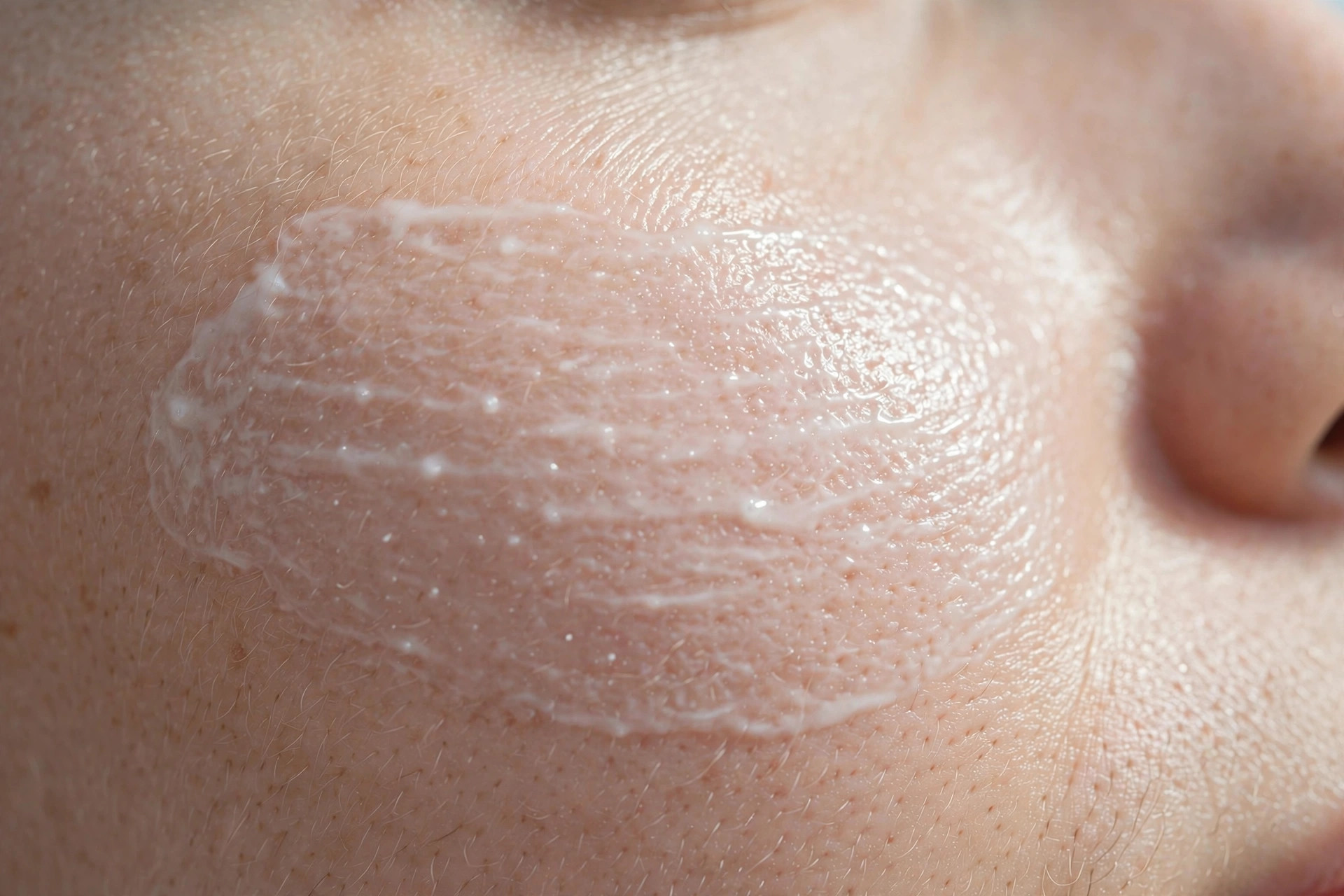
The best barrier cream is the one you will actually use twice a day, so texture and skin-type fit matter as much as the ingredient list. Here is how to narrow it down.
For dry skin, go rich. Look for creams and balms with ceramides plus occlusives — shea butter, petrolatum, or heavier plant oils near the top of the ingredient list. Your skin needs both the building blocks and the seal. A cream that feels substantial, almost like a cold cream, is usually right. If your skin still feels tight an hour after applying, the formula is not rich enough for you.
For oily or combination skin, the instinct is to avoid rich creams — but a damaged barrier on oily skin still needs lipids; it just needs them in a lighter vehicle. Look for gel-creams or lotions with ceramides, niacinamide, and squalane, without heavy butters. These repair without clogging or adding shine. The “non-comedogenic” label is worth seeking here, though it is not a regulated term — patch testing on your jawline for a few days is the real test.
For sensitive or reactive skin, simpler is safer. Choose fragrance-free formulas (fragrance is one of the most common irritants in a compromised barrier), with short ingredient lists built around ceramides, panthenol, and glycerin. Avoid essential oils, which are a frequent hidden source of stinging on damaged skin. Introduce the new cream gradually — once a day for a few days — before going to twice daily.
For mature skin, barrier repair and richness go hand in hand, since lipid production naturally declines with age. Creams combining ceramides with cholesterol are particularly appropriate, and a slightly richer texture usually feels comfortable. This is also the skin type that benefits most from layering — a hydrating serum under the cream, sealed with everything.
Whatever your type, patch test first: apply a small amount behind your ear or along your jawline for 24–48 hours before committing your whole face. Even the gentlest formulas can disagree with individual skin.
Ingredients to Pause While Your Barrier Recovers
Repair is only half the equation — the other half is stopping the damage. While your barrier recovers (typically two to four weeks of gentle care), it is wise to pause the ingredients most likely to keep irritating it.
High-strength exfoliating acids (glycolic, salicylic, lactic at strong percentages), retinoids, and benzoyl peroxide are the usual suspects. None of them are villains — they are excellent ingredients on healthy skin — but on a compromised barrier they can perpetuate the cycle of irritation. This does not have to be forever; once your skin feels comfortable and resilient again, you can reintroduce them slowly, one at a time, starting at low strengths and low frequency.
Also worth pausing: harsh foaming cleansers (especially those with high levels of sulphates), alcohol-based toners, physical scrubs, and heavily fragranced products. Switch to a gentle, low-pH, non-foaming or lightly foaming cleanser, lukewarm water (hot water strips lipids fast), and the blandest routine you can tolerate. Boring is beautiful during barrier repair.
Vitamin C (particularly L-ascorbic acid at high percentages) can also sting compromised skin — if it is part of your routine, set it aside until the barrier is back. You are not abandoning your actives; you are giving them a healthy canvas to work on later. Think of it as a reset, not a breakup.
A Simple Barrier-Friendly Routine, Morning and Night
Barrier repair does not require a twelve-step routine. In fact, fewer steps done consistently will outperform an elaborate routine you abandon after a week. Here is the simple version.
Morning: rinse with lukewarm water or use your gentle cleanser if your skin feels oily. While skin is still slightly damp, apply any hydrating serum (hyaluronic acid or glycerin-based). Follow with your barrier cream. Finish with sunscreen — yes, even in autumn, and yes, even while repairing. UV damage impairs barrier recovery, so daily SPF 30 or higher is non-negotiable. Choose a gentle, fragrance-free formula if your skin is reactive.
Evening: cleanse gently — one cleanse is enough unless you wear heavy makeup or waterproof sunscreen, in which case a gentle oil or balm first cleanse followed by your mild cleanser works well. Apply hydrating serum to damp skin, then your barrier cream. If your skin is very dry or the air is very dry, add a thin occlusive layer on top — a balm or a touch of petrolatum-based ointment on the driest areas. This “slugging” step, done a few nights a week, can transform overnight recovery.
That is the whole routine: cleanse, hydrate, seal, protect. Give it at least two weeks before judging results — barrier repair is gradual, and the first thing you will notice is comfort (less tightness, less stinging) before you see visible changes in texture and glow.
How Long Repair Really Takes
Honesty matters here, because marketing loves to promise overnight miracles. The skin’s natural cell turnover cycle is roughly 28 days (longer as we age), and meaningful barrier repair generally takes two to four weeks of consistent gentle care. You will usually feel improvement — less tightness, less reactivity — within the first week, which is encouraging, but the deeper structural repair takes the full cycle.
A few things can slow progress: continuing to use irritating actives, over-cleansing, very hot showers, and extremely dry indoor air (a bedroom humidifier genuinely helps in heated homes). Stress and lack of sleep affect skin recovery too — not in a mystical way, but through well-documented effects on inflammation and healing. Be patient with the process and with yourself.
If after four to six weeks of a genuinely gentle routine your skin is not improving — or if things are getting worse — that is your signal to see a dermatologist. Persistent redness, scaling, itching, or breakouts that do not respond to barrier care may indicate an underlying condition that needs professional treatment. There is no prize for suffering through it alone, and a dermatologist can identify in one appointment what months of guessing cannot.
When to See a Dermatologist
Most seasonal barrier disruption resolves with the gentle approach above. But certain situations call for professional help sooner rather than later: symptoms that are severe or spreading, cracked or bleeding skin, intense itching that disturbs sleep, any sign of infection (increasing pain, swelling, warmth, or pus), or a rash you cannot identify. Also, if you have a known condition like eczema, rosacea, or psoriasis, a flare that does not respond to your usual management deserves a professional review rather than a new over-the-counter cream.
A dermatologist can also help you build a long-term routine once the acute phase passes — including when and how to reintroduce actives safely. Think of barrier repair as first aid: essential and effective for the immediate problem, but not a substitute for professional care when the problem is complex.
The barrier-repair cream deserves its moment. It is one of those rare trends built on solid science rather than hype: give your skin the lipids it is missing, remove the irritants keeping it inflamed, and it will do what skin does brilliantly — heal itself. This fall, as the air turns cold and the heating clicks on, the kindest thing you can do for your face is also the simplest: a good cream, a gentle routine, and a little patience. Your barrier will thank you.
Leave a Reply