
Last updated: October 2026
Quick answer: The best drugstore skincare products work because many now use the same well-established ingredients as prestige formulas — ceramides, hyaluronic acid, niacinamide, retinol — at prices you can sustain. Buy cleansers, moisturisers, basic serums, and SPF 30+ sunscreen affordably; match texture to your skin type and introduce one active at a time.
Here’s a secret the beauty industry doesn’t advertise: some of the best drugstore skincare products outperform luxury formulas that cost ten times more. The drugstore aisle has quietly become one of the smartest places to build a routine — dermatologist-loved ingredients, thoughtful formulas, and prices that let you actually replace products when they run out.
I’ve spent years testing both ends of the price spectrum, and my honest conclusion is this: price is not a reliable signal of quality in skincare. What matters is the formula — the ingredients, the concentrations, and whether it suits your skin. This guide walks you through exactly which drugstore categories are worth buying, what to look for on the label, and how to assemble a complete routine on a budget.
Why Do Drugstore Skincare Products Work So Well?
The short answer: Many affordable brands now formulate with the same star ingredients as prestige lines because the science is well-established and no longer proprietary — and a routine you can afford to maintain always beats a luxury one you abandon.
Drugstore skincare has had a quiet revolution. Many affordable brands now formulate with the same star ingredients as prestige lines — ceramides, hyaluronic acid, niacinamide, retinol — because the science behind these ingredients is well-established and no longer proprietary. You’re often paying for nearly identical actives without the fancy packaging and marketing budget.
There’s another underrated advantage: consistency. A routine you can afford to maintain beats a luxury routine you abandon after one bottle. Skincare works through daily, boring repetition — and drugstore prices make repetition easy.
That said, not every cheap product is a gem. The skill is knowing what to look for. Let’s break it down by category.
Which Cleansers Are the Easiest Drugstore Win?
The short answer: If you buy one drugstore product, make it your cleanser — it stays on skin for about a minute, so expensive actives are mostly marketing. Choose a gentle, low-foaming or milky formula around pH 5.5 with ceramides or glycerin, and avoid harsh sulfates.
If you buy one drugstore product, make it your cleanser. Cleansers stay on your skin for about sixty seconds, so expensive actives in a cleanser are mostly marketing — what matters is that it’s gentle and doesn’t strip your skin.
What to look for:
- A low-foaming, gel, or milky formula with a comfortable pH (around 5.5)
- Ceramides or glycerin for barrier support
- Fragrance-free if your skin is sensitive
What to avoid: harsh sulfates that leave skin tight and squeaky, strong fragrance, and exfoliating beads. A good drugstore cleanser should leave your face feeling clean but comfortable — never tight.
Drugstore gel cleansers with ceramides or hyaluronic acid are genuinely excellent and cost a fraction of their luxury counterparts. Many of the best drugstore skincare products live in this category, and they pair perfectly with your morning skincare routine and your evening skincare routine and you’ve covered the most-used product in your lineup for very little money.
Why Do Moisturisers Shine at Drugstore Prices?
The short answer: Barrier-supporting moisturisers with ceramides, cholesterol, and fatty acids are widely available at drugstore prices and dermatologists recommend them constantly — choose texture by skin type, from gel-creams for oily skin to rich creams for dry skin.
This is the category where drugstore may actually beat luxury outright. Barrier-supporting moisturisers with ceramides, cholesterol, and fatty acids — the famous “barrier repair” formulas — are widely available at drugstore prices, and dermatologists recommend them constantly.
What to look for:
- Ceramides: help support the skin’s natural barrier and lock in moisture
- Hyaluronic acid or glycerin: draw water into the skin
- Niacinamide: supports even-looking tone and calm skin
- Fragrance-free options if you’re reactive
Choose texture by skin type: lightweight gel-creams for oily skin, classic lotions for normal skin, and richer creams for dry skin. Many affordable brands offer the same formula in multiple textures, which makes matching easy.
One tip: the classic tub-style barrier creams are beloved for a reason, but if you find them heavy for daytime, use them at night and keep a lighter lotion for mornings. Your skin will thank you either way.
Which Serums Are Worth Buying Affordably?
The short answer: Niacinamide, hyaluronic acid, stabilized vitamin C, and low-strength retinol serums all have well-formulated drugstore versions — but give each one four to six weeks of regular use and introduce only one active at a time to avoid irritation.
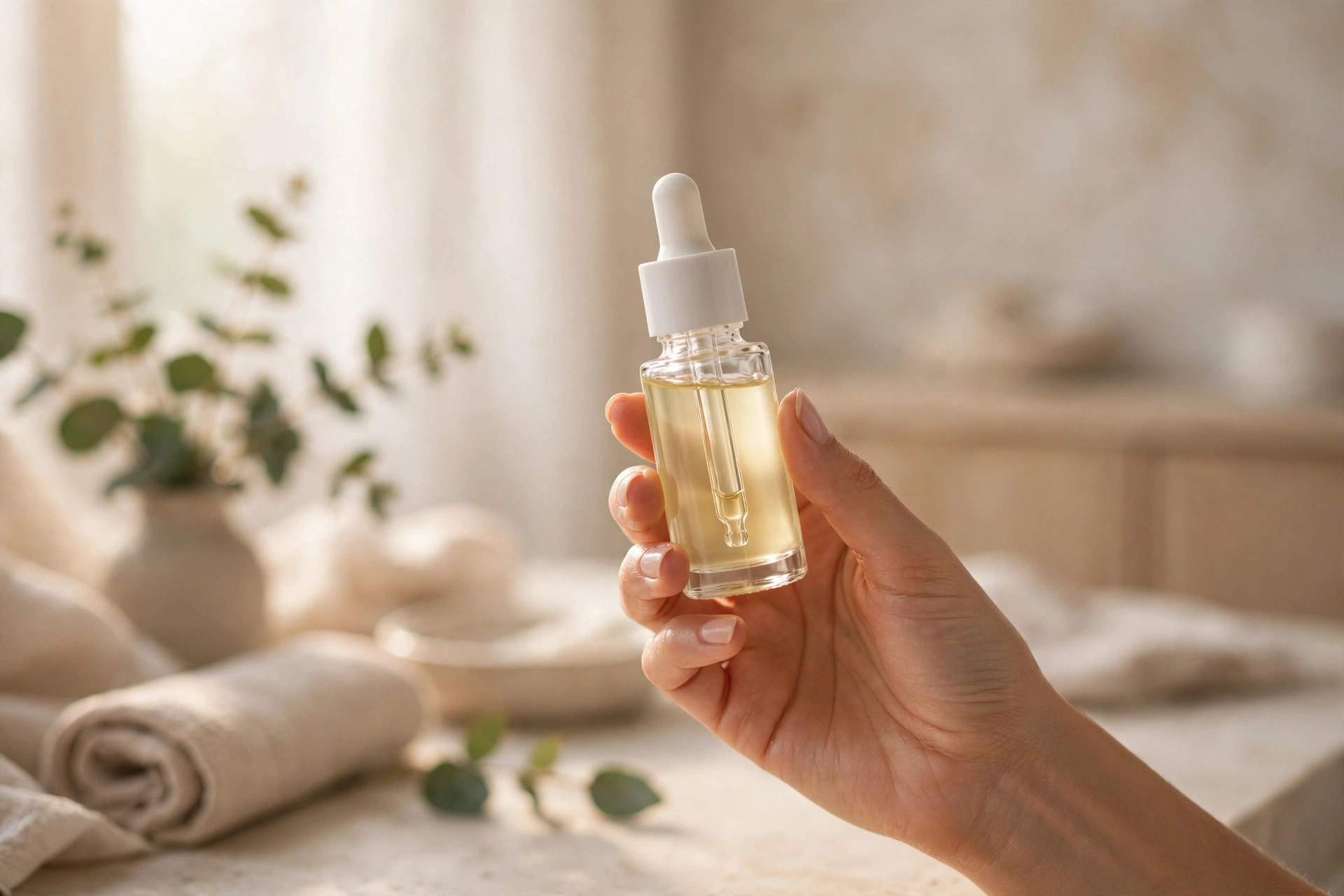
Serums used to be the category where you had to spend. Not anymore. Drugstore shelves now carry effective, well-formulated serums with the ingredients that actually have evidence behind them.
Worth buying at drugstore prices:
- Niacinamide serums (5–10%): may help refine the look of pores and support a calm, even complexion. Affordable versions are excellent.
- Hyaluronic acid serums: straightforward hydration. Apply to damp skin. These are hard to get wrong.
- Vitamin C serums: brightening and antioxidant support. Look for stabilized forms (like sodium ascorbyl phosphate) in opaque packaging — vitamin C degrades in light and air.
- Retinol: for evenings, start low (0.25–0.3%) and use a few nights a week. Drugstore retinol formulas are some of the best value in all of skincare.
A word on expectations: serums need consistency, not miracles. Give any new serum four to six weeks of regular use before judging it. And introduce one active at a time — piling on retinol, vitamin C, and exfoliating acids in the same week is how irritation happens, not how glow happens. The American Academy of Dermatology also recommends patch-testing any new skincare product before full use, especially if your skin is sensitive (AAD: Patch Testing).
Why Is Sunscreen the Non-Negotiable Step?
The short answer: Sunscreen is the single most impactful skincare product you can own, and thankfully it is also one of the cheapest. What matters is broad-spectrum SPF 30 or higher and a formula you will actually wear every day — the American Academy of Dermatology recommends broad-spectrum SPF 30 or higher for daily use.
Sunscreen is the single most impactful skincare product you can own, and thankfully it’s also one of the cheapest. There’s no reason to pay luxury prices here — what matters is broad-spectrum SPF 30 or higher, and a formula you’ll actually wear every day. The American Academy of Dermatology recommends choosing a broad-spectrum sunscreen with SPF 30 or higher and reapplying as directed (AAD: How to Select a Sunscreen).
What to look for:
- Broad-spectrum SPF 30+ (SPF 50 if you spend lots of time outdoors)
- A texture you enjoy — fluid, lotion, or gel — because the best sunscreen is the one you wear
- Mineral options (zinc oxide/titanium dioxide) if chemical filters irritate your eyes
Drugstore sunscreens have improved enormously in cosmetic elegance — no more chalky white cast on every formula, and plenty of options that layer beautifully under makeup. Find one you like and buy it in the big bottle. Apply generously: about a nickel-sized amount for the face.
Which Exfoliants and Masks Are Smart Budget Picks?
The short answer: Chemical exfoliants like glycolic, lactic, and salicylic acid come in effective drugstore formulas — use them once or twice a week in the evening only, never with retinol the same night, and skip rough physical scrubs. Clay and sheet masks are fine treats, not essentials.
Chemical exfoliants — AHAs like glycolic and lactic acid, BHAs like salicylic acid — are available in effective drugstore formulas. Used once or twice a week in the evening, they can help with dullness and texture over time.
Guidelines for budget exfoliants:
- Start with lower concentrations and once-weekly use
- Use them in the evening only, and always follow with moisturiser
- Never combine strong exfoliants with retinol on the same night
- Skip physical scrubs with rough particles — chemical exfoliants are gentler and more even
Clay masks for oily skin and hydrating sheet masks are also perfectly fine drugstore purchases. They’re treats, not essentials — nice for a Sunday reset but not the foundation of results.
How Do You Build a Full Drugstore Routine?
The short answer: Keep it simple — morning is gentle cleanser, hydrating serum, light moisturiser, and SPF 30+; evening is double cleanse if you wore makeup or SPF, one treatment serum, and a richer moisturiser; weekly is one chemical exfoliant session. The total typically costs less than a single luxury serum.

Here’s what a complete, effective routine looks like using only drugstore products:
Morning:
- Gentle cleanser (or lukewarm water rinse)
- Hydrating toner or niacinamide serum
- Lightweight moisturiser
- Broad-spectrum SPF 30+
Evening:
- Gentle cleanser (double cleanse if you wore makeup or SPF — an oil or balm cleanser first)
- Treatment serum (retinol a few nights a week, or hydrating serum on off nights)
- Richer moisturiser
Weekly: one chemical exfoliant session in the evening.
Total cost? Typically less than a single luxury serum. And because every one of the best drugstore skincare products here is replaceable on a normal budget, you’ll actually stick with it — which is where the real results come from.
How Do You Read Skincare Labels Like a Pro?
The short answer: Three habits save you money — ingredients are listed by concentration so the first five matter most, “dermatologist tested” is not a regulated claim, and fragrance is the most common irritant, so fragrance-free matters more than any active if your skin is sensitive.
You don’t need a chemistry degree, but three label habits will save you money:
- Ingredients are listed by concentration. The first five ingredients make up most of the product. If the star ingredient appears near the very end, there’s barely any of it.
- “Dermatologist tested” isn’t a regulated claim. It sounds reassuring but means very little on its own. Look at the actual formula.
- Fragrance is the most common irritant. If your skin is sensitive or reactive, “fragrance-free” matters more than any active ingredient.
Also, be skeptical of dramatic before-and-after claims and miracle language — on drugstore or luxury products alike. Skincare supports healthy-looking skin gradually; anything promising overnight transformation is selling hope, not results.
When Is It Worth Spending More?
The short answer: Drugstore covers about ninety percent of a routine beautifully — the honest exceptions are elegant vitamin C formulas (stabilization is genuinely tricky and cheap versions can oxidise fast) and sunscreens with truly invisible finishes on deeper skin tones, though drugstore options there keep improving.
Honesty matters here: drugstore covers about ninety percent of a routine beautifully. The exceptions where spending more can make sense are elegant vitamin C formulas (stabilization is genuinely tricky and cheap versions can oxidise fast) and sunscreens with truly invisible finishes on deeper skin tones (though drugstore options here keep improving). Everything else — cleanser, moisturiser, basic serums — drugstore handles brilliantly.
The best drugstore skincare products prove a lovely point: taking beautiful care of yourself doesn’t require a luxury budget. It requires knowing what your skin needs, reading a label with confidence, and showing up for your routine every day. Start with a cleanser and a moisturiser, add one active at a time, and enjoy watching your skin — and your savings — thrive.
Leave a Reply