Last updated: October 2026
Quick answer: The hair colour trends for autumn 2026 lean warm, rich, and wearable: cinnamon brunette, golden honey blonde, and deep black-cherry lead the season. These shades flatter most skin tones, grow out gracefully, and suit low-maintenance routines. This guide helps you pick the right shade and keep it fresh.
Every autumn brings the same delicious urge: something needs to change, and hair is the easiest place to start. This year, the hair colour trends autumn 2026 salons are seeing lean warm and rich rather than icy or flat — cinnamon, honey, and deep berry tones that glow in autumn light. Whether you want a subtle refresh or a bold switch, this guide covers the season’s leading shades, how to choose for your skin tone, and how to keep your new colour gorgeous for months.
Which Hair Colour Trends for Autumn 2026 Suit My Skin Tone?
Most autumn 2026 shades are warm, so they suit warm and neutral undertones beautifully, but there are options for cool undertones too. This section explains the quick undertone test, which seasonal shade matches yours, and the one thing to tell your colourist.

Before you fall in love with a shade on a screen, spend thirty seconds checking your undertone. It is the biggest factor in whether a colour looks expensive or off.
- Warm undertones: gold jewellery flatters you more than silver, your veins look greenish, and you tan easily. You will glow in cinnamon, honey, and caramel shades.
- Cool undertones: silver jewellery wins, your veins look bluish, and you burn more easily. You suit the deeper berry shades and can carry honey if it is kept slightly cooler.
- Neutral undertones: both metals suit you, and you can wear almost every shade on this list. Lucky you.
One more thing worth knowing before you book: the American Academy of Dermatology recommends doing a patch test at least 48 hours before any hair colour, to check for allergic reactions. This matters most if you are trying a new type of dye or colouring at home. You can read their advice on safe hair colouring before your appointment.
Bring three or four reference photos of the exact shade you want. Colourists read photos far better than descriptions, and it is the fastest route to walking out happy.
What Is the Cinnamon Brunette Shade Everyone Is Asking For?
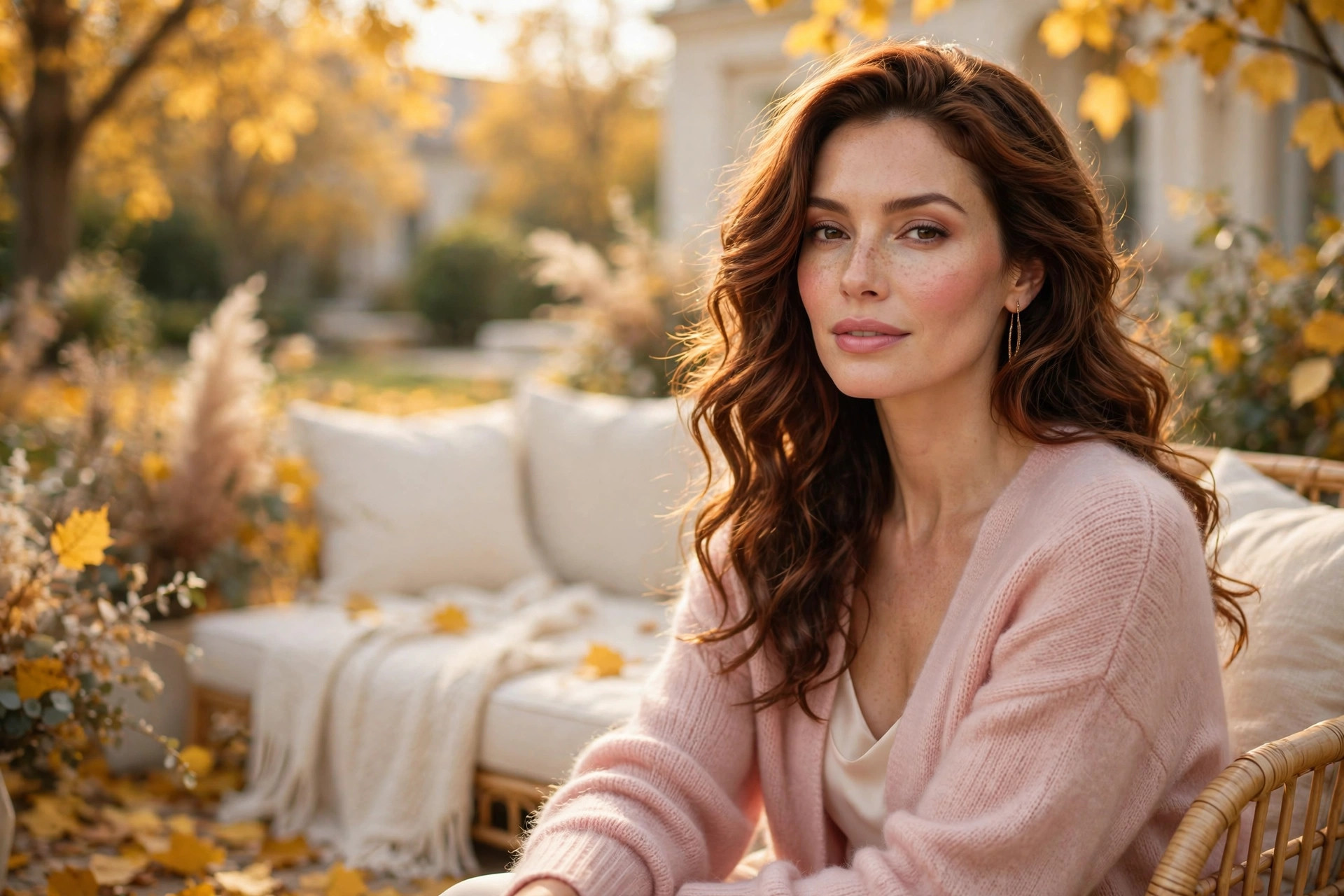
Cinnamon brunette is a warm, medium-brown base shot through with coppery red tones, like the spice it is named after. It is the defining shade of autumn 2026 because it adds richness without going full redhead.

If you are naturally brunette, cinnamon is your easiest seasonal upgrade. Your colourist keeps your base and weaves warm copper pieces through the mid-lengths and ends, so the grow-out is soft and the maintenance is gentle. Ask for dimension rather than a single flat colour; the light-catching movement is what makes this shade look expensive.
- Best for: natural brunettes, warm and neutral undertones, medium to deep skin tones.
- The ask: “a warm brunette base with coppery cinnamon pieces through the lengths, lots of dimension, nothing too red.”
- Maintenance: a colour-safe shampoo and a gloss refresh every six to eight weeks keeps the copper tones bright.
Cinnamon brunette also photographs beautifully in golden autumn light. It is the shade that looks like autumn feels.
Is Golden Honey Blonde Still In for Autumn 2026?
Yes, but the 2026 version is softer and warmer than the bright blondes of past summers. Golden honey blonde this autumn is creamy at the roots and sunny through the ends, with none of the harsh regrowth lines.

Honey blonde suits autumn because it mimics the season’s light: rich and glowy where summer blondes are bright and beachy, pairing beautifully with deeper lip colours and cosy textures.
- Best for: natural blondes and light brunettes, warm undertones, fair to medium skin.
- The ask: “a root-shadowed honey blonde, creamy at the root and golden through the ends, soft grow-out.”
- The upkeep trick: ask for a root shadow or smudge. It blurs the line between your natural root and the colour, so you can stretch appointments to ten or twelve weeks.
If your hair is naturally dark and you are dreaming of honey, ask your colourist how many sessions it will take. Going from dark to honey safely is a journey, best mapped across two or three visits rather than rushed in one.
What About Deep Black-Cherry and Merlot Shades This Season?
Black-cherry and merlot are the fashion-forward picks of autumn 2026: near-black bases with deep red and berry tones that reveal themselves in the light. They are dramatic without being costume-y, and they suit the season’s moody aesthetic perfectly.
These shades work on a simple principle: indoors the hair reads as rich, glossy dark brown or black; step into sunlight and the red and berry tones ignite. It is the most complimented colour on this list.
- Best for: all undertones, since the base is neutral dark; especially flattering on deep and olive skin tones.
- The ask: “a very dark base with black-cherry red tones, subtle in the shade, glowing in the light.”
- One caution: red tones fade faster than brown, so expect a gloss refresh around week six to keep the berry richness alive.
Here is how the three headline shades compare at a glance:
| Shade | Best starting point | Upkeep | The vibe |
|---|---|---|---|
| Cinnamon brunette | Natural brunette | Low to medium | Warm, cosy, effortlessly rich |
| Golden honey blonde | Natural blonde or light brown | Medium (lower with root shadow) | Glowy, sunny, soft glamour |
| Black-cherry | Any dark hair | Medium (red tones fade) | Moody, dramatic, fashion-forward |
Which Hair Colour Trends for Autumn 2026 Are the Most Low-Maintenance?
The lowest-maintenance autumn 2026 looks are lived-in: root smudges, balayage, and glosses that grow out softly. This section explains why these techniques work, which shade suits each one, and what to ask for if you hate salon appointments.

The whole direction of colour right now is away from high-maintenance perfection: colour designed to grow out gracefully, which is wonderful news for your calendar and your budget.
- Root smudge: your colourist blends your natural root colour down into the dyed lengths. No harsh line means no emergency appointments. Works beautifully with cinnamon and honey shades.
- Balayage: hand-painted lightness through the mid-lengths and ends, keeping the root natural. Grow-out is so soft that many people go three to four months between visits.
- Gloss only: if your natural colour is already close to an autumn trend, a tinted gloss adds the warm tone with zero commitment and washes out gradually over a month or so.
If low maintenance is your priority, say so in the first minute of your consultation. A good colourist will steer you toward graceful grow-out rather than colours that demand a strict schedule.
How Do I Keep My New Autumn Colour Looking Fresh All Season?
Warm autumn tones fade with heat and harsh washing, so the care routine is simple: wash less, wash cooler, and protect from heat. This section gives you the five habits that keep cinnamon, honey, and cherry tones vivid for months.
Fresh colour is an investment, and these habits protect it:
- Wash less often. Two to three washes a week is plenty for most hair. Every wash lifts a little colour, so fewer washes mean longer-lasting tone.
- Turn the temperature down. Hot water opens the hair cuticle and lets colour escape faster. Lukewarm water and a cool final rinse keep the cuticle smooth and the colour sealed in.
- Use colour-safe products. A sulphate-free, colour-safe shampoo and conditioner are the basics. They cleanse without stripping the tone your colourist worked to create.
- Protect from heat. Always use a heat protectant before straighteners or curling wands. High heat is one of the fastest ways to dull warm tones.
- Book a gloss between full appointments. A quick in-salon gloss every six to eight weeks refreshes tone and shine for a fraction of the cost of a full colour service.
The American Academy of Dermatology also notes that conditioning well after colouring helps keep hair healthy, since colouring can leave hair drier than before. Their hair care guidance is worth a skim if your hair feels different after a colour appointment.
Should I Go Warmer or Cooler With My Colour This Autumn?
Autumn 2026 firmly leans warm, and warmth flatters most people in autumn light. But the best choice is the one that makes your skin glow. This section gives you two quick tests to decide before you commit.
The jewellery test is the fastest: hold gold and silver against your face in natural daylight and see which makes your skin glow. Gold winning means warm tones will love you; silver winning means keep your shade cooler.
The white test works too. Hold a pure white cloth and a cream cloth near your face. If pure white makes you glow, cooler shades suit you; if cream looks better, warm shades are your friends. Most people find the answer obvious within seconds.
Remember that warm does not have to mean orange: a warm brunette can be soft toffee, and a warm dark shade a rich espresso. Your colourist can warm up almost any base colour.
Will these autumn hair colour trends suit my skin tone?
Almost certainly, because the 2026 palette is wide. Warm undertones glow in cinnamon and honey; cool undertones look striking in black-cherry; neutral undertones can wear all three. The undertone checks in the first section take a minute and save you from an expensive mismatch.
How often will I need touch-ups with an autumn colour?
It depends on the technique. All-over permanent colour needs attention every four to six weeks, while root smudges and balayage can stretch to ten or twelve weeks. If you want the longest gap between appointments, ask for a lived-in technique rather than a root-to-tip colour.
Can I try a trend shade at home with a box dye?
A tinted gloss or semi-permanent colour at home is a gentle way to test a trend, since it fades gradually. Going dramatically lighter or much darker is riskier at home; that is the job for a colourist. Always do the patch test 48 hours beforehand, whichever route you take.
Will colouring damage my hair?
Any chemical colour changes the hair to some degree, but modern colouring with proper aftercare keeps most hair healthy. The biggest risks come from big jumps in lightness done too fast. Colour-safe products, heat protection, and regular trims keep autumn colour and healthy hair perfectly compatible.
Autumn is the season of change, and your hair is the loveliest place to begin. Save your favourite reference photos, book the consultation, and trust a colourist who listens. Here is to your most gorgeous autumn yet.
Leave a Reply