
Last updated: November 2026
Quick answer: The winter afternoon slump is usually a mix of low daylight, a heavy lunch, and tiredness catching up with you. You can lift it without another coffee by getting daylight, moving gently, drinking water, and eating a lighter lunch with protein and fibre.
It happens almost every winter afternoon. The morning goes well, lunch is eaten, and then around two or three o’clock, your energy simply disappears. Your eyes feel heavy, your focus drifts, and the pull towards another coffee feels almost impossible to resist. If you want to know how to beat winter afternoon energy slump without reaching for caffeine, the good news is that small, gentle changes often work better than a stronger brew.
The slump is not a personal failing. Shorter days, darker mornings, and heavier winter meals all play a part, and many people notice their afternoons feel harder from November onwards. Once you understand what is dragging your energy down, you can build a simple afternoon routine that keeps you steady until evening.
Why do I feel so tired on winter afternoons?
Winter afternoons combine several energy drains at once: less daylight, a natural post-lunch dip, and often poorer sleep. Short days mean less bright light, which can leave you feeling flat and unfocused.

Sleep plays a part too. When nights are long, it is tempting to stay up late, yet still wake early for work, and that gap quietly builds up. The Sleep Foundation notes that most adults need around seven to nine hours of sleep a night, and you can read more in their guidance on how much sleep we really need. A regular bedtime is one of the simplest ways to protect your afternoons.
Your lunch matters more than you might think. A very large meal, especially one heavy in white bread, pasta, or sugary foods, can leave you feeling sleepy afterwards. A lighter lunch with protein, vegetables, and wholegrains tends to keep energy steadier through the afternoon.
How to beat winter afternoon energy slump without more caffeine
Start with light, water, and movement before anything else. Step to a window or outside for a few minutes of daylight, drink a glass of water, and take a short walk. These three small actions often lift the fog.

Caffeine is not the enemy, but timing matters. A coffee late in the afternoon can make it harder to fall asleep that night, which makes the next afternoon even worse. If you love coffee, enjoy it in the morning, and switch to herbal tea or water after lunch. Your future self will thank you.
Try a five-minute reset ritual. Stand up, stretch, roll your shoulders, drink some water, and look out of the window. It sounds too simple to work, but breaking the pattern of sitting and screen-staring is often exactly what your brain needs to refocus.
How to beat winter afternoon energy slump at work
At work, plan your hardest tasks for the morning and save lighter jobs for the afternoon dip. Answer emails, tidy files, or plan tomorrow when your focus is lower. Working with your energy makes the afternoon feel far less painful.
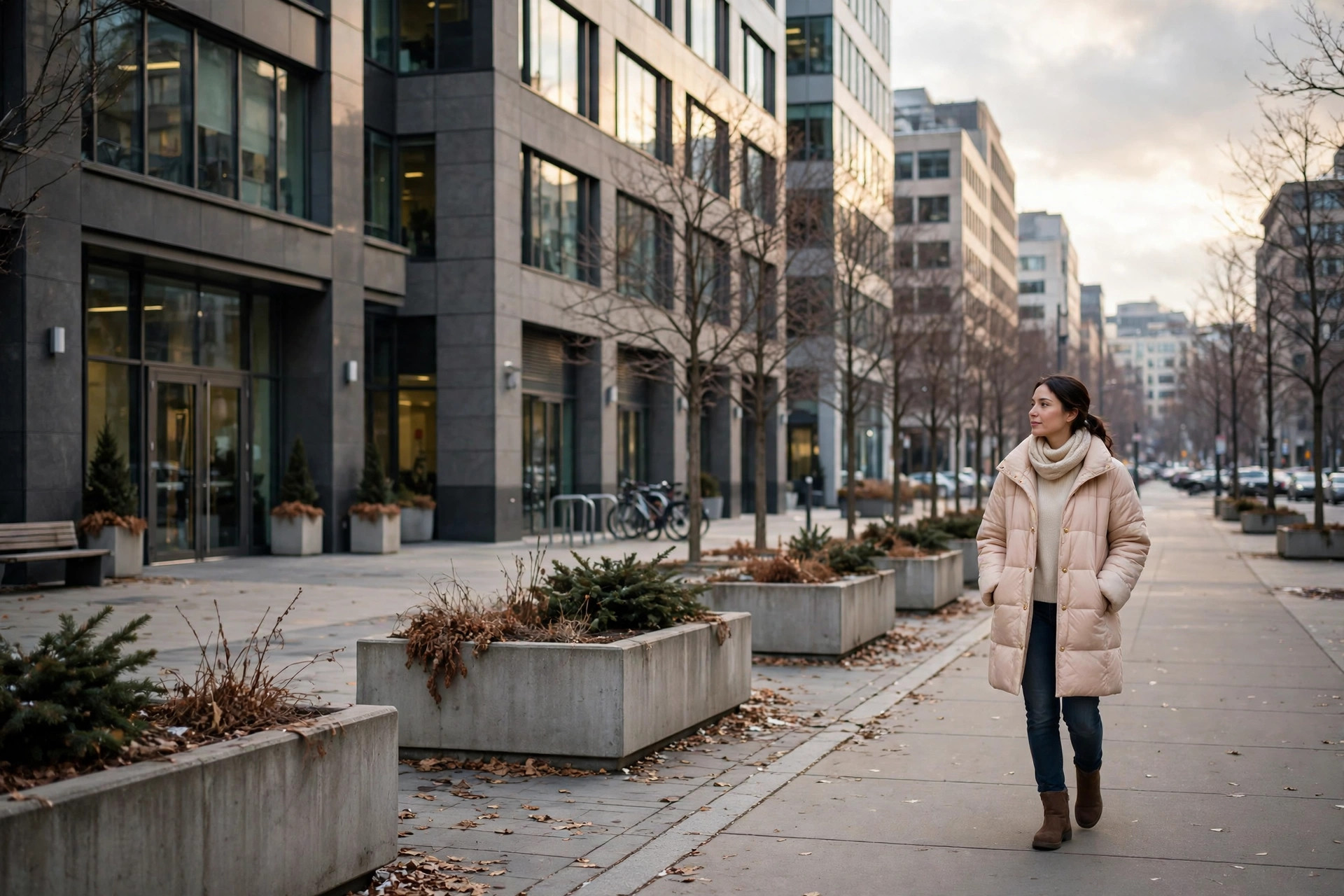
Move little and often. A walk to refill your water, a few stretches at your desk, or a short stroll at lunchtime all help. If you can, take a brief walk outside during your lunch break, even on a grey day. Daylight, even cloudy daylight, is brighter than office lighting and helps signal to your body that it is still daytime.
Keep a small snack drawer for the afternoon. Nuts, fruit, yoghurt, or oatcakes give you steady energy, while sweets and biscuits tend to cause a quick spike followed by another crash. Eating a small snack before the slump hits, around 2 pm, often works better than waiting until you are already exhausted.
What should I eat to avoid the afternoon crash?
Choose lunches that mix protein, fibre, and vegetables, and keep portions moderate. Soup with beans and wholegrain bread, or a salad with chicken or chickpeas, fills you up without leaving you heavy and sleepy.

Watch the sugar trap. A sweet treat at lunch can feel like a reward, but the energy crash that follows often lands right in the middle of your afternoon. Save sweet things for after a protein-rich snack, or enjoy a smaller portion with a cup of tea.
Do not skip lunch either. Skipping meals often backfires, leaving you ravenous and shaky by mid-afternoon. A regular, balanced lunch is one of the most reliable ways to keep your energy even until dinner, so protect your lunch break even on busy days.
Can a short rest help instead of a nap?
A full nap can leave you groggy, but a short, quiet rest can be wonderfully refreshing. Try ten minutes with your eyes closed, away from screens, in a comfortable chair. You do not need to fall asleep.
If you work from home, a brief lie-down with an alarm set for fifteen to twenty minutes can help, but keep it short and earlier in the afternoon. Long or late naps can disturb your night’s sleep, which only deepens the cycle. A quiet pause, rather than a deep sleep, is usually the safer choice. You can also try a simple breathing pause: sit comfortably, close your eyes, and breathe slowly for a minute or two.
If a quiet rest does not appeal to you, try a change of scenery instead. Move to a different room, make a herbal tea, or step outside for a minute of fresh air. Sometimes the rest your brain needs is simply a break from the same chair, the same screen, and the same task.
How do I build a winter afternoon routine that sticks?
Keep your routine tiny and attach it to something you already do. After lunch, always refill your water, step outside for two minutes, and then start your easiest task. Small linked steps become a habit, not a chore.
Track what helps for a week. Note which days felt better and what you did differently: an earlier lunch, a walk, more water, or an earlier bedtime. Patterns quickly appear, and you can keep the habits that genuinely help you while dropping the ones that do not.
| Quick fix | Time needed | When it helps most |
|---|---|---|
| Daylight by a window | 5 minutes | Right after lunch |
| Glass of water | 1 minute | As soon as you feel flat |
| Short walk or stretch | 5–10 minutes | Mid-afternoon dip |
| Protein-rich snack | 2 minutes | Before the slump hits |
Once your routine feels natural, you can experiment with small additions, such as a short stretch routine or a different snack. Keep what works, drop what does not, and remember that the best afternoon routine is the one you will actually follow every day.
When should I simply accept a slow afternoon?
Some days will still feel slow, and that is perfectly normal. Winter asks more of us, and no routine removes every tired afternoon. On those days, lower your expectations and be kind to yourself.
If tiredness is constant, severe, or paired with other worrying symptoms, it is worth speaking to your doctor, because persistent exhaustion can have many causes. For most of us, though, the winter slump is a seasonal rhythm, and gentle habits make it far easier to ride out. Rest is not laziness, and a slower afternoon is not a failed day.
Is it okay to have one coffee in the afternoon?
One coffee earlier in the day is fine for most people, but a late-afternoon coffee can disturb your sleep that night. If you need a warm drink after lunch, try herbal tea, warm water with lemon, or a decaf option instead.
Does going outside really help on a grey day?
Yes. Even cloudy daylight is much brighter than indoor lighting, and stepping outside also gets you moving and breathing fresh air. A few minutes by a window helps too, but outside is better when you can manage it.
What is the best afternoon snack for steady energy?
Snacks that mix protein and fibre work best, such as nuts with fruit, yoghurt with oats, or oatcakes with cheese. Avoid snacks that are mostly sugar, since they tend to cause a crash an hour later.
Why do I feel worse in winter than in summer?
Shorter days mean less daylight, colder weather keeps us indoors and moving less, and heavier meals and later nights are common in winter. Together, these make afternoon tiredness more noticeable from November onwards.
The winter afternoon slump does not need a dramatic fix. A little daylight, a glass of water, a lighter lunch, and a short walk can change the whole shape of your afternoon. Start with one small habit today, notice how you feel, and build from there. If one habit helps, keep it and add another next week. Small, steady changes beat grand plans that last only a day. Your afternoons can feel lighter, even in the darkest weeks of winter.
Leave a Reply