
Last updated: November 2026
Quick answer: To handle Christmas anxiety as an introvert, plan rest breaks in advance, set a gentle limit on social time, prepare a quiet escape spot, and give yourself permission to leave early. Small, planned pauses protect your energy far better than pushing through.
Christmas is often described as the most wonderful time of the year. For an introvert, it can also feel like the most exhausting. Weeks of parties, family gatherings, crowded shops, and endless small talk can leave you drained before December has even begun. If you are wondering how to handle Christmas anxiety introvert style, you are not alone, and you are not doing anything wrong.
In our experience, the secret is not to force yourself to become someone else for December. It is to plan the season around the way you actually recharge. A little preparation, a few honest boundaries, and some quiet moments built into each day can turn Christmas from something you endure into something you genuinely enjoy.
Why does Christmas feel so hard for introverts?
Christmas feels hard for introverts because it combines almost everything that drains introverted energy at once: long social gatherings, constant noise, crowded spaces, disrupted routines, and the pressure to seem cheerful and available all day long.
Introverts recharge alone. That is not shyness and it is not rudeness, it is simply how their energy works. A morning of quiet reading can leave an introvert feeling restored, while an afternoon of back-to-back conversation can leave them feeling wrung out, even if every conversation was lovely. Christmas removes most of the quiet. Every day brings another gathering, another visitor, another expectation, and there is rarely a pause in between.
The NHS explains that anxiety is a feeling of unease, such as worry or fear, that everyone experiences at times. You can read their guidance on anxiety for a clear explanation of what it is and when to seek support. For introverts, festive anxiety often comes from anticipating the social load before it happens, worrying about how they will cope, and then feeling guilty for wanting to leave early.
How to handle Christmas anxiety introvert style with a plan
To handle Christmas anxiety as an introvert, make a simple plan before December begins: decide which events matter most, agree your arrival and leaving times in advance, schedule rest days between gatherings, and choose one quiet activity that is just for you each day.
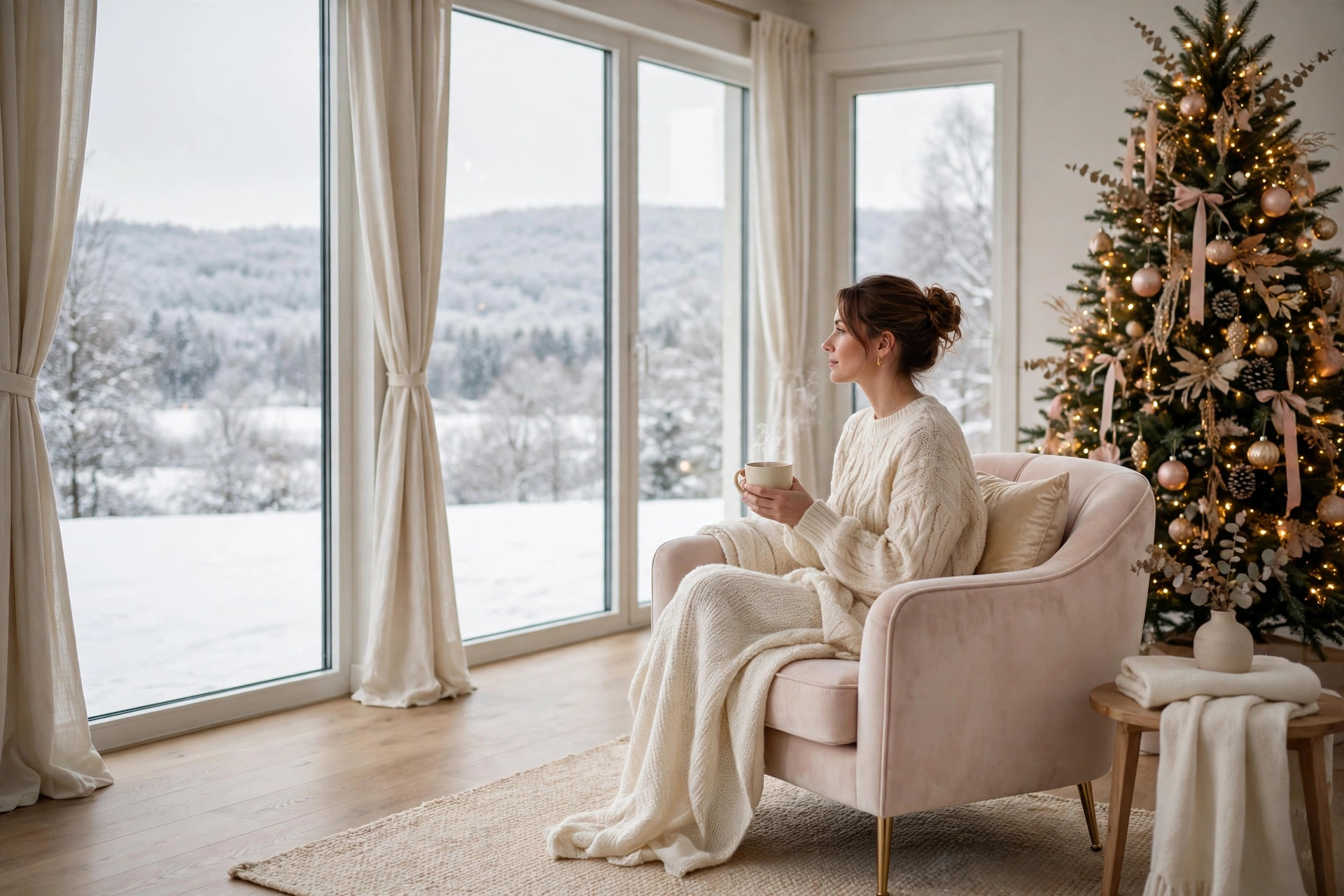
A plan takes the pressure off because you stop deciding everything in the moment. When you already know you are leaving at four o’clock, you do not spend the whole afternoon worrying about when it is polite to go. When you already know tomorrow is a rest day, today feels easier. Sit down with a calendar and look at the whole season honestly. Which events do you genuinely want to attend? Which ones are obligations you can shorten? Which ones can you skip entirely this year?
- Choose your must-attend events, and let the rest be optional.
- Agree your arrival and leaving times before the day, and tell the host.
- Put at least one rest day between big gatherings where you can.
- Plan one quiet pleasure each day, such as a walk, a book, or a bath.
- Keep a small note on your phone with your plan, so you can check it when you feel overwhelmed.
It also helps to prepare a few gentle phrases in advance. “I have had a lovely time, and I am going to head home now” is kind and complete. You do not owe anyone a detailed explanation. Most people understand, and many of them feel exactly the same way.
What can I do when I need a break at a family gathering?
When you need a break at a family gathering, step outside for a short walk, offer to help in the kitchen, or find a quiet room for ten minutes. A short pause is enough to reset your energy, and nobody will mind.
Breaks do not need to be dramatic. You do not have to announce that you are overwhelmed or disappear for an hour. A simple “I am just going to get some fresh air” is enough. Step into the garden, walk around the block, or stand at the window for a few minutes. Fresh air and a change of scene work wonders for a tired mind.
Helping in the kitchen is another quiet escape that looks completely normal. Washing up, making tea, or setting the table gives you a purpose and a little space at the same time. If you can, ask the host in advance where the quiet room is. Knowing you have a place to retreat to, even if you never use it, can make the whole day feel safer.
How do I say no to Christmas events without feeling guilty?
To say no to Christmas events without guilt, answer warmly and early, thank the person for inviting you, and offer a smaller alternative, such as a short coffee together in January. A kind, early no is far better than a reluctant yes.

Saying no is hard, especially at Christmas, when every invitation feels loaded with love and expectation. But a yes that leaves you exhausted and resentful helps nobody. The people who care about you would rather have you happy and rested than present and miserable. Try something like: “Thank you so much for thinking of me. I am keeping December quiet this year, but I would love to see you properly in January.”
| Situation | A gentle response | What to offer instead |
|---|---|---|
| A party you cannot face | “Thank you, I am keeping things quiet this year” | A coffee together in January |
| A second gathering in one day | “I would love to, but I need to rest between events” | A phone call on the day |
| A long all-day visit | “I can come for lunch, then I will head home” | Help with the cooking or the tidy-up |
| A last-minute invitation | “That is so kind, but I already have a quiet day planned” | A walk together next week |
Guilt often follows a no, even a kind one. When it arrives, remind yourself that rest is not selfish. You are not letting anyone down by protecting your energy. You are making sure that when you do show up, you are actually present, warm, and glad to be there.
How to handle Christmas anxiety introvert style on Christmas Day
To enjoy Christmas Day as an introvert, build quiet moments into the day itself: a slow morning before guests arrive, a walk after lunch, and an early evening to yourself. Enjoy the people you love in shorter, sweeter stretches rather than one long stretch.
Christmas Day does not have to be a twelve-hour performance. Many introverts love the morning best, when the house is quiet and the presents are under the tree. Protect that time. Get up a little earlier, make yourself a warm drink, and enjoy the stillness before the day begins.
After lunch is a natural pause point. Offer to take the dog out, or suggest a short walk for anyone who wants one. A walk gives you fresh air, movement, and a break from the noise, all at once. In the evening, give yourself permission to slip away. A bath, a book, and an early night are a perfectly good ending to Christmas Day.
What helps with Christmas anxiety the night before a big event?
The night before a big Christmas event, prepare everything you need in advance, keep the evening quiet, go to bed at your normal time, and remind yourself of your plan. A calm evening makes a calmer morning.

Anxiety loves the unknown, so remove as many unknowns as you can. Lay out your outfit, check the directions, confirm the time, and pack anything you need. When the practical details are sorted, your mind has less to worry about. Then keep the evening gentle. Cook something simple, watch something familiar, and avoid scrolling through other people’s festive photos late at night.
It also helps to write down your plan for tomorrow on a small piece of paper: what time you are arriving, what time you are leaving, where your quiet spot is, and who you can text if you need support. Reading it back to yourself before bed turns a vague worry into a concrete plan.
When should I ask for extra support at Christmas?
Ask for extra support when your anxiety is affecting your sleep, your appetite, or your daily life, or when you feel unable to enjoy anything at all. Talking to a trusted friend, your doctor, or a support service is a strong step, not a failure.

Most Christmas anxiety is normal and manageable with rest and planning. Sometimes, though, it goes further than that. If you are lying awake every night, dreading every event, or feeling low for days at a time, it is worth reaching out. Mind, the mental health charity, explains that taking time to rest and talking to someone you trust are important steps when anxiety becomes hard to manage. You can find their guidance on anxiety and panic attacks.
Frequently asked questions about Christmas anxiety for introverts
Is it rude to leave a Christmas party early?
No, leaving early is not rude. Thank the host, say you have had a lovely time, and go home. Most hosts are simply glad you came. You do not need to stay until the end to show that you care.
How do I cope with small talk at Christmas gatherings?
Ask people open questions about things they enjoy, such as their favourite film this year or what they are cooking. People love talking about themselves, and good questions take the pressure off you to keep the conversation going.
Can I skip Christmas events altogether?
Yes, you can. A quiet Christmas at home is a completely valid choice. If you skip an event, let the host know warmly and early, and suggest a time to meet in the new year so they know you still care.
What if my family does not understand that I am an introvert?
Explain it simply: you love them, and you enjoy time together, but you need short breaks to recharge. Most people understand once it is explained kindly. Over time, they may even start to notice and protect your quiet time for you.
Christmas does not have to be loud to be lovely. It can be quiet mornings, short visits, long walks, and early nights. It can be a season that fits the way you are, instead of a season you have to survive. This year, plan your rest the way you plan your presents, and give yourself the same kindness you give everyone else.
Leave a Reply