Last updated: November 2026
Quick answer: Start tiny and tie your walk to something you already do, such as after lunch or before dinner. Begin with ten minutes, wear warm layers and something reflective, choose a well-lit route, and build up slowly. Consistency matters far more than distance or speed.
When the mornings are dark, the evenings are darker, and the air bites, going for a walk can feel like the last thing you want to do. Yet winter walks have a quiet magic of their own: frosty pavements, glowing windows, and that wonderful feeling of coming home to warmth. If you want to know how to start winter walking habit cold dark days can actually support, the trick is to make walking easy, warm, and enjoyable, not a test of willpower.
You do not need special fitness, fancy gear, or long routes. You need a small, repeatable habit that fits your real life. This guide shows you how to build one, step by step, so that by spring, walking feels like a natural part of your day rather than a chore.
How to start winter walking habit cold dark days make tempting to skip
Start smaller than you think you should. Ten minutes counts, and a short walk you actually do beats a long walk you keep postponing. Pick a fixed time and link it to an existing habit.
Set a modest weekly goal, such as three short walks a week, and build from there. Many health guidelines suggest adults aim for around 150 minutes of moderate activity across a week, and short daily walks are a gentle way to build towards that. You can read the UK guidance on how exercise supports your health for the bigger picture, but do not let a weekly target put you off starting small.
Track your walks simply. A tick on the calendar, a note in your phone, or a step counter can all help. Seeing a row of ticks grow is surprisingly motivating, and it turns an invisible habit into something you can feel proud of.
What should I wear for winter walking?
Layers are the secret to winter comfort. Start with a comfortable base layer, add a warm jumper or fleece, and finish with a windproof, waterproof coat. You will warm up as you walk.
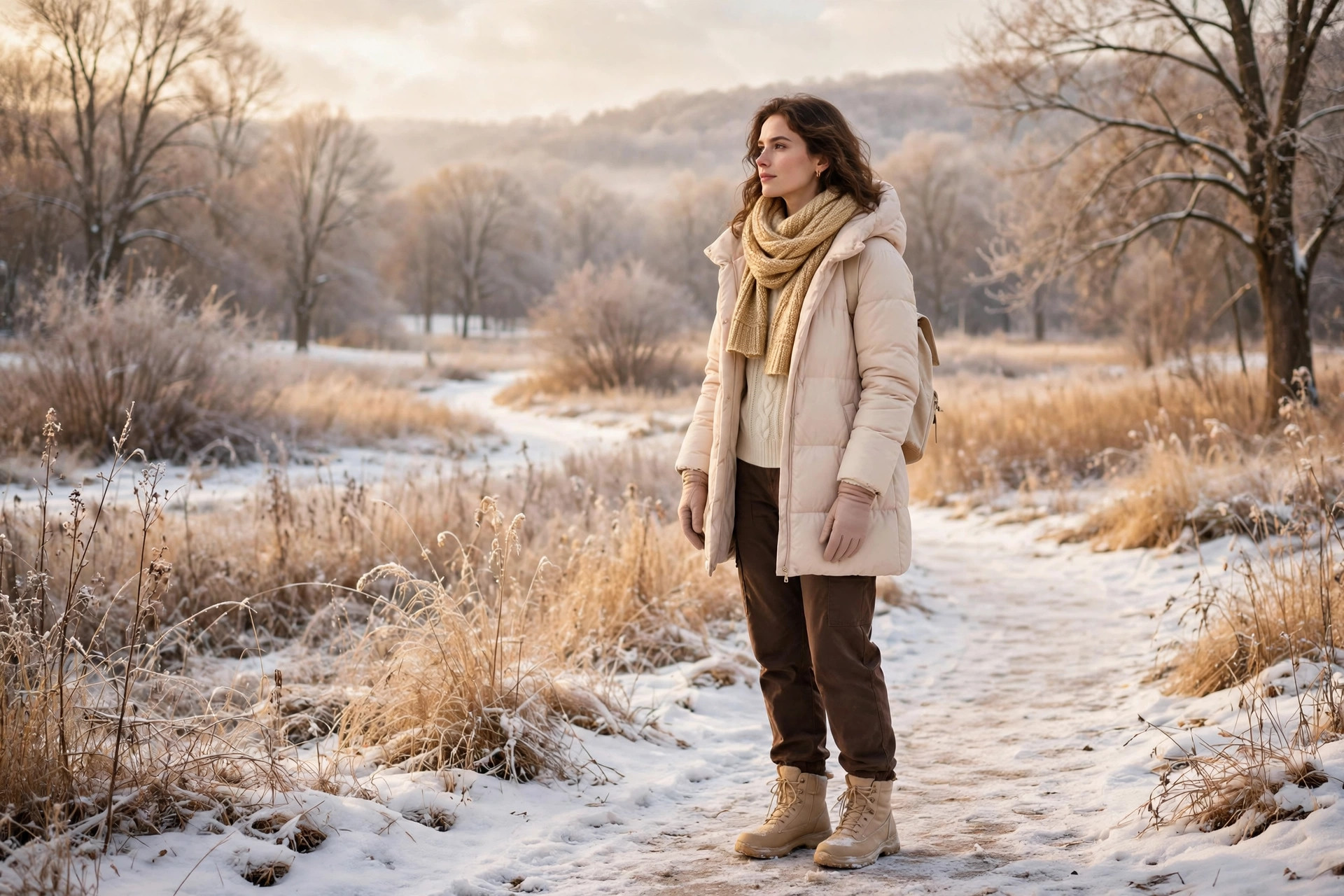
Do not forget your extremities. A hat, gloves, and a scarf make a huge difference, because hands and ears feel the cold first. Comfortable, grippy shoes matter too, especially on frosty or wet pavements. If your feet are warm and steady, the whole walk feels easier.
Choose something bright or reflective for dark walks. A light-coloured coat, a reflective vest, or small reflective strips help drivers see you. Carry your phone, and consider a small torch if your route has unlit stretches. Feeling safe makes walking far more pleasant.
How do I stay safe walking in the dark?
Pick routes you know well, and favour streets with pavements and street lighting over unlit paths. Walk facing oncoming traffic if there is no pavement, and keep to well-used areas in the evening.

Watch your footing. Frost, wet leaves, and icy patches can be slippery, so slow down and take shorter steps on uncertain surfaces. If a path looks icy, choose a gritted road or pavement instead. There is no prize for braving the iciest route.
Consider walking with a friend, a family member, or a neighbour. Company makes dark walks feel safer and far more enjoyable, and a regular walking buddy is one of the best motivators there is. If nobody is free, a podcast or a favourite playlist can keep you company instead.
How can I make winter walks enjoyable, not a chore?
Give your walk a purpose beyond exercise. Walk to the shops, to a café, to post a letter, or to see the Christmas lights. A walk with a destination feels like part of life, not an extra task.

Notice the season. Winter walks offer frosty gardens, bright berries, low golden light, and the smell of wood smoke. Taking a photo, or simply pausing to look around, turns a routine walk into a small daily pleasure. Many walkers find that paying attention to these details is the part they miss most in summer.
Reward yourself afterwards. A warm drink, a cosy blanket, and ten minutes with a book can become part of the ritual. When the walk ends with something lovely, your brain starts to look forward to it rather than dread it.
What if the weather is truly awful?
Some days are genuinely unpleasant, and it is okay to swap your walk for something else. Walk around a shopping centre, climb the stairs at home, or do a short indoor stretch. The habit you protect is daily movement.
Set a simple weather rule in advance, such as walking unless there is ice or a storm warning. Deciding beforehand removes the daily debate. On merely grey or drizzly days, a waterproof coat and a shorter route usually do the trick. On very cold days, you can split your walk into two shorter outings, which feels far easier than one long walk in biting wind.
Remember that you can always turn back early. A ten-minute walk in drizzle still counts, and it keeps your habit alive for a better day tomorrow. There is no perfect outdoor record to protect, only a gentle routine to keep going.
How do I build up from ten minutes to longer walks?
Add five minutes every week or two, only when the current length feels easy. There is no rush, and slow progress lasts longer than a sudden leap. If a longer walk feels hard, drop back.
Vary your routes once the habit feels steady. A new park, a riverside path, or a different neighbourhood keeps things interesting. Weekend walks can be longer and more leisurely, while weekday walks stay short and practical. Both count, and both build the same habit.
| Week | Walk length | How often |
|---|---|---|
| Weeks 1–2 | 10 minutes | 3 days a week |
| Weeks 3–4 | 15 minutes | 4 days a week |
| Weeks 5–6 | 20 minutes | 5 days a week |
| Week 7 onwards | 25–30 minutes | Most days |
If you miss a week of progress, do not worry. Simply return to the length that felt comfortable and build up again from there. Progress is rarely a straight line, and a gentle, forgiving approach keeps walking enjoyable rather than turning it into a source of guilt.
How to start winter walking habit cold dark days: keeping it going
Motivation fades for everyone, usually around week three, and that is normal. On low days, shrink the walk instead of skipping it. Five minutes still counts, and it keeps the chain alive.
Remind yourself why you started. Better sleep, clearer thinking, fresh air, and a calmer mind are all gentle benefits many walkers notice over time. Keep your expectations kind, celebrate small streaks, and remember that a missed day is just a missed day, not a failed habit. Start again tomorrow.
It can also help to keep your walking shoes and coat by the door, ready to go. When everything you need is in one place, heading out takes seconds rather than a long search, and that small convenience often makes the difference on a cold, dark evening.
Is it safe to walk alone in winter darkness?
Yes, with sensible precautions. Stick to lit, familiar routes, wear something reflective, carry your phone, and let someone know where you are going. Walking with a friend is even better, especially on quieter routes.
Do I need special walking shoes for winter?
Not necessarily. Comfortable shoes with a good grip are enough for most pavements. Waterproof shoes or boots are worth it if you walk on wet grass or muddy paths, and warm socks make a big difference on cold days.
What time of day is best for a winter walk?
Whenever you will actually do it. A lunchtime walk gives you daylight, while an evening walk helps you unwind after work. Pick the time that fits your routine, and protect it like any other appointment.
How long before walking feels like a habit?
Most people find that a few weeks of regular short walks makes it feel natural, especially when the walk is tied to an existing routine. Focus on showing up often, not on walking far, and the habit will build itself.
A winter walking habit does not begin with a grand plan. It begins with ten minutes, a warm coat, and a doorstep. Start today, keep it small, and let the habit grow gently through the coldest weeks. By the time spring arrives, you may find that walking is simply something you do, whatever the weather, and you will be glad you began. The hardest step is always the first one out of the door, and every walk after that feels a little easier than the one before. Every step counts, even on the shortest, darkest days, and each walk is a small gift you give yourself.
Leave a Reply