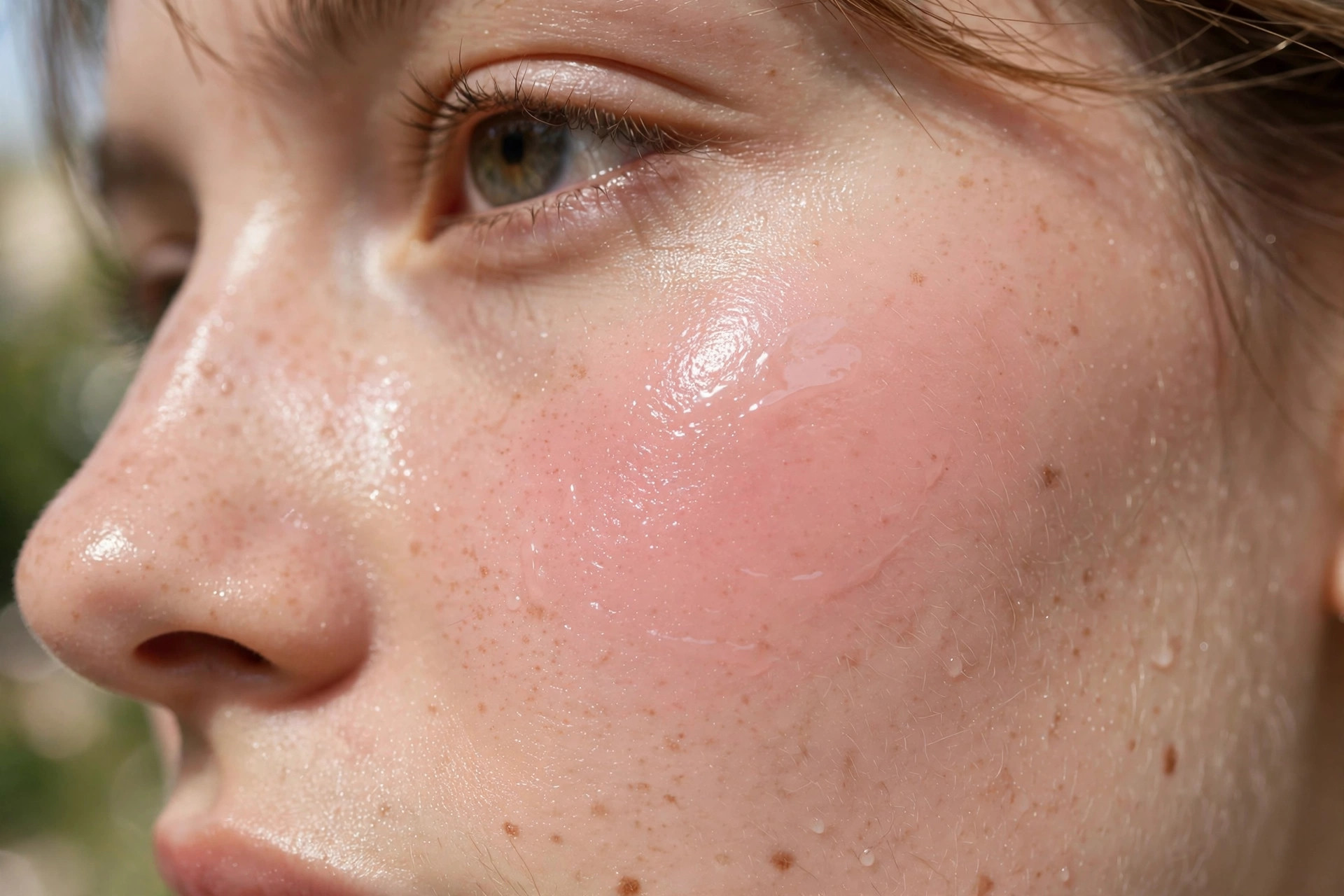
There is a new blush texture all over Pinterest, and it looks good enough to eat. Jelly blush — bouncy, glossy, translucent colour for the cheeks — has seen searches climb 130% this year, and it is one of the defining makeup trends of 2026. It belongs to the wider “gimme gummy” movement: squishy textures, wet finishes, and makeup that looks juicy rather than powdered.
If your blush routine has been the same powder compact for years, this trend is worth your attention. Jelly blush gives a kind of glow that powder simply cannot: a sheer, watery flush that looks like your skin, only better. It is flattering on nearly everyone, it is hard to mess up, and it suits the cooler months beautifully, when skin tends to look duller and needs all the help it can get. Here is everything you need to know — what it is, how to choose one, and how to apply it so it lasts all day.
What Exactly Is Jelly Blush?
Jelly blush is a cheek colour with a gel or jelly texture. It usually comes in a pot or a cushion compact, and it feels bouncy and cool to the touch — genuinely like jelly. When you press it onto the skin, it melts into a sheer, glossy wash of colour with a wet-looking finish. The effect is often described as “just-pinched” cheeks or the flush you get after a brisk walk in cold air.
It is different from the other blush formats you may know. Powder blush sits on top of the skin and gives a matte or satin finish — pretty, but it can look dry or flat, especially on mature or dehydrated skin. Cream blush is dewier than powder but still fairly opaque. Liquid and tint blushes are sheer but dry down matte. Jelly blush is the only format that stays glossy and translucent, which is exactly why it photographs so well and why it looks so natural in person.
The finish is the point. Where the last few years were about matte, blurred, “cloud” skin, 2026 has swung firmly toward glow: dewy skin, glossy lips, glass-like highlights. Jelly blush is the cheek chapter of that story.
Why Jelly Blush Suits Fall and Winter
This trend arrived at the perfect time of year. As the weather cools, most people’s skin gets drier, and dry skin plus powder blush is an unforgiving combination — powder clings to dry patches and fine lines and can make skin look older and more tired. A jelly formula does the opposite: its glossy, hydrating finish makes skin look plumper and fresher, which is exactly what you want when central heating and cold wind are working against you.
The colours suit the season too. Jelly blushes tend to come in juicy, translucent shades — berry, cherry, warm rose, tangerine — that echo the colours of autumn itself. A sheer berry jelly blush on the cheeks is one of the prettiest, easiest fall looks there is, and it needs almost nothing else to work.
There is also a practical cold-weather advantage: because jelly blush melts into the skin rather than sitting on top of it, it is less likely to be disturbed by scarves, high collars, and the general face-touching that cold weather brings. It becomes part of your skin rather than a layer on it.
How to Choose the Right Shade
Jelly blush is sheer by nature, which makes shade selection more forgiving than with powder — a shade that would be alarming in a powder compact is often lovely as a jelly. Still, a little guidance helps.
- Fair skin: soft pink, light rose, and sheer peach. These give a believable flush without overwhelming pale skin. Avoid very deep berries unless you apply with an extremely light hand.
- Light to medium skin: warm rose, coral, and cherry. This skin range can carry the most shades; cherry and berry tones are especially pretty for fall.
- Medium to deep skin: berry, plum, and rich tangerine. Deeper skin needs more pigment to show up, and jelly formulas in berry and plum shades look luminous rather than ashy.
- Deep skin: vivid berry, warm red, and deep rose. Do not be afraid of bright-looking shades in the pot — sheered out, they give the most gorgeous lit-from-within glow.
As a rule of thumb, pick a shade close to the colour your cheeks turn naturally when you are flushed — then go one step juicier. And remember that jelly blush almost always dries down slightly less intense than it looks in the pot, so do not panic at a vivid-looking pan.
The Right Way to Apply It
Application is where people go wrong with jelly blush, usually by treating it like powder. It needs a different technique. Here is the method that works:
- Start with hydrated skin. Jelly blush grips best on moisturised skin or over a dewy foundation. If your base is very matte, the jelly can drag. A light layer of moisturiser or a hydrating primer underneath makes everything easier.
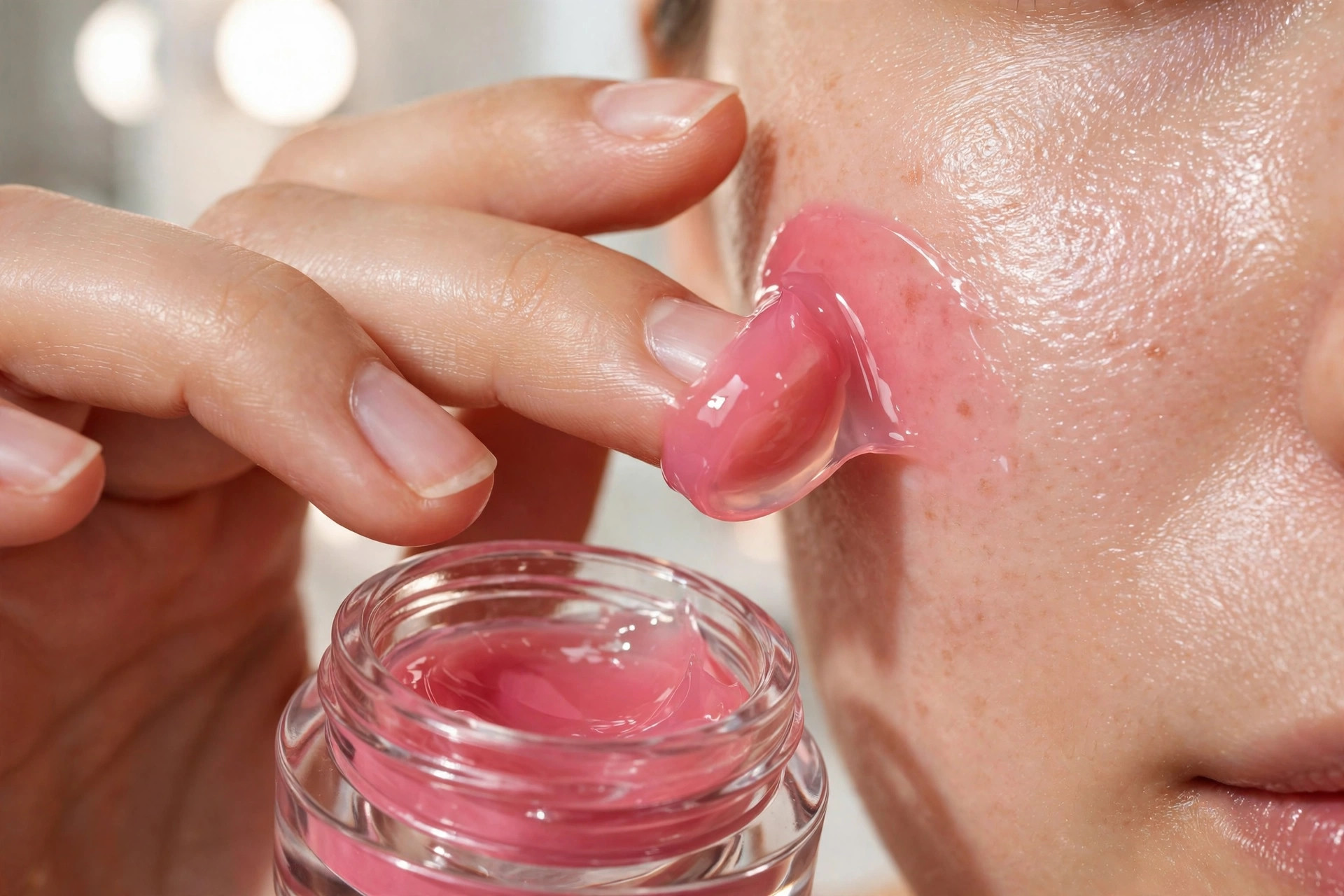
- Use your fingers or a damp sponge. Warm fingers melt the product beautifully and give the most natural result. A damp beauty sponge works well too and gives slightly more precision. Avoid dense brushes — they tend to pick up too much product and leave streaks with jelly textures.
- Press, do not swipe. Pick up a small amount, smile lightly to find the apples of your cheeks, and press the colour on in gentle bouncing motions. Pressing keeps the finish even; swiping moves your foundation around underneath.
- Build slowly. Apply one sheer layer, wait thirty seconds, and then decide if you want more. Two thin layers always look better than one heavy one with jelly formulas.
- Place it higher than you think. The modern placement is on the upper cheek, closer to the temples, rather than the centre of the apple. Higher placement lifts the face; low placement can drag it down.
- Blend the edges. Use a clean finger or the clean side of your sponge to soften the edges so there is no visible line where the blush stops.
One useful trick: apply jelly blush before your concealer rather than after. Dot it on, blend, then apply concealer around it. This sandwiches the colour under a sheer veil and makes it look like it is coming from within the skin — the most flattering effect of all.
Making It Last All Day
The honest truth about jelly blush is that its glossy finish does not last as long as powder. On most skin types, you will get a good four to six hours of visible colour before it starts to fade. That is not a flaw — it is the trade-off for the dewy finish — but these tricks stretch it considerably:
- Layer it over a matching powder or cream blush. A thin layer of powder blush in a similar shade underneath acts as a base that the jelly grips onto. The jelly goes on top for the glossy finish; the powder underneath provides the staying power.
- Set strategically, not everywhere. If you set your whole face with powder, you kill the dewy finish you bought the jelly blush for. Instead, set only the areas that get oily — usually the T-zone — and leave the cheeks unset.
- Blot, do not powder, for touch-ups. Carry the jelly blush with you and press a little more on in the afternoon rather than dusting powder over it. Touching up takes ten seconds.
- Try the “blush sandwich” for long days. Powder blush, then a sheer layer of jelly, then the tiniest dab of jelly again just on the highest point of the cheek. This layered approach easily lasts eight hours.
Jelly Blush on Lips and Eyes Too
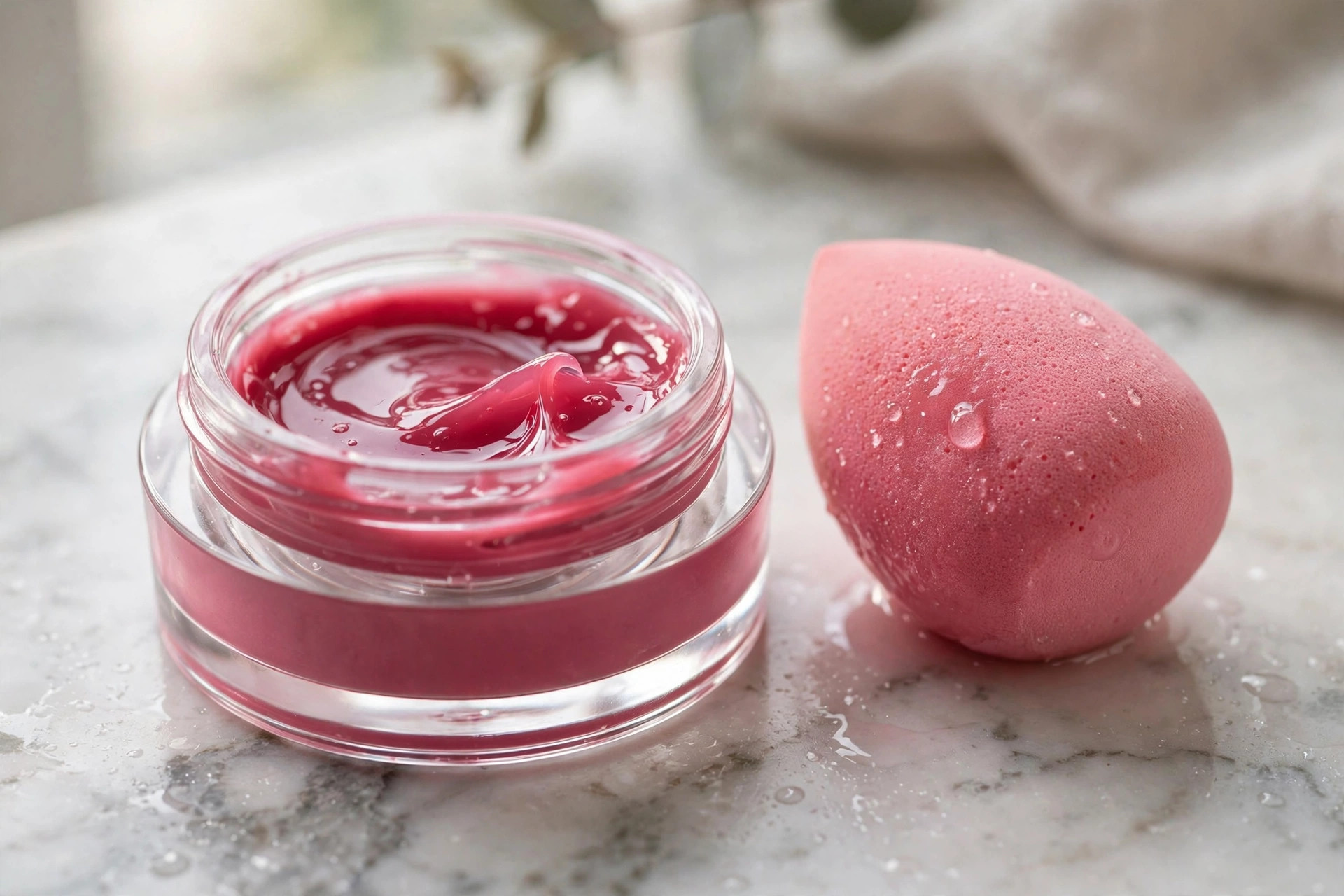
One of the nicest things about jelly blush is that most formulas are multi-use. The same pot that colours your cheeks can tint your lips and add a wash of colour to your eyelids — and using one product in three places is the fastest way to make your makeup look cohesive.
On the lips, press a small amount into the centre of the lips and blend outward with your finger for a bitten, just-ate-cherries effect. It will not last like a lipstick, but for a soft daytime tint it is lovely, and reapplying is easy. On the eyes, pat a sheer layer across the lid as a wash of colour before mascara. Keep it sheer — too much on the lids can crease — and skip this trick if your eyelids get very oily.
This monochromatic approach — same juicy tone on cheeks, lips, and lids — is one of the prettiest ways to wear the trend, and it is almost impossible to get wrong because everything automatically matches.
What to Pair It With
Jelly blush loves a dewy base. It looks best over light to medium coverage foundation with a natural or luminous finish, or over tinted moisturiser. Very full-coverage matte foundation fights the jelly’s whole purpose — if you need coverage, keep it in the centre of the face and let the cheeks stay light and glowy.
For the rest of the face, keep things in the same juicy family: a glossy or satin lip rather than a flat matte, and a cream or liquid highlighter rather than a powdery one. The goal is skin that looks like skin, with light bouncing off it. If you want to extend the glow to the rest of your routine, our article on glowing skin drinks covers the inside-out approach to radiance that pairs beautifully with dewy makeup.
And consider the season’s bigger picture: jelly blush in a warm berry tone is gorgeous alongside the rich autumn hair colours trending right now — our guide to fall hair colours can help you find a shade pairing that flatters both your hair and your new blush.
Avoiding the Common Pitfalls
- Applying over dry, unprepped skin. Jelly on dry skin pills and patches. Moisturise first, always.
- Using too much at once. Jelly blush is buildable, which means the first layer should look like almost nothing. You can always add more.
- Setting the cheeks with powder. This turns your expensive jelly blush back into regular blush. Set around it, not over it.
- Expecting 12-hour wear. Manage your expectations and carry the pot. The touch-up is part of the ritual.
- Choosing a shade with chunky glitter. Some jelly blushes contain glitter, which can look festive but reads less natural and can emphasise texture. For everyday wear, choose a glitter-free formula.
A note on skin reactions: jelly formulas often contain hydrating ingredients and sometimes fragrance. If your skin is reactive, patch-test a new blush on your jawline first, and if you develop redness or itching, discontinue use — a pharmacist or dermatologist can help you identify the culprit if it keeps happening.
The Bottom Line
Jelly blush earned its 130% search surge because it solves a real problem: how to get colour on the cheeks without the dryness and flatness of powder. It is forgiving for beginners, flattering on every age and skin tone, and perfectly timed for the months when skin needs glow the most. Pick a shade close to your natural flush, press it on with your fingers, and let the gloss do the work. Your powder blush will still be there when you want it — but do not be surprised if you reach for the jelly pot first.
Leave a Reply