Last updated: November 2026
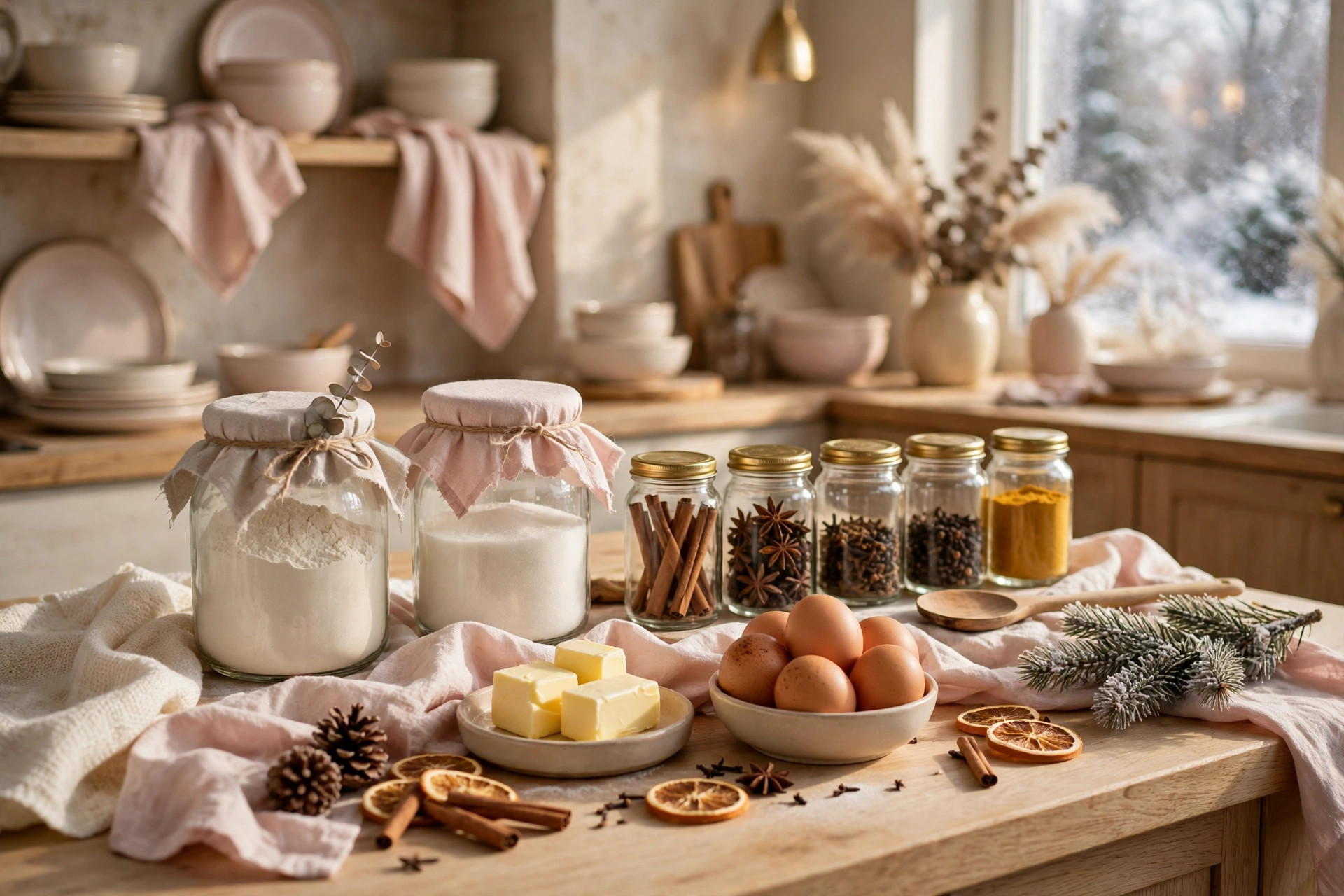
Quick answer: Winter pantry staples for cosy baking beginners are a small set of flours, sugars, spices, fats and flavourings that let you bake simple cakes, biscuits and crumbles all season. Start with plain flour, butter, eggs, sugar, cinnamon and vanilla, then add extras slowly.
There is something quietly magical about baking on a cold afternoon. The kitchen warms up, the house starts to smell like cinnamon, and you end up with something lovely to share over tea. If you are new to baking, though, the shelves of a baking aisle can feel overwhelming. This guide to winter pantry staples for cosy baking beginners will help you stock up with confidence, without buying things you will never use.
The secret is to start small. You do not need a professional pantry. You need a handful of reliable basics, a few winter flavourings, and a little know-how about storing them. Once those are in place, you can bake a surprising number of things, from simple sponge cakes to crumbles, biscuits and traybakes.
What Are Winter Pantry Staples for Cosy Baking Beginners?
Winter pantry staples are the dry and long-life ingredients you keep on hand so you can bake whenever the mood strikes. For beginners, that means plain flour, raising agents, sugars, a couple of warming spices, vanilla, butter and eggs, plus a few extras like oats and cocoa.
Think of your pantry as a toolkit. Each staple has a job. Flour gives your bakes structure. Sugar adds sweetness and tenderness. Butter brings richness and flavour. Spices bring the winter feeling. When the basics are covered, recipes stop feeling scary and start feeling possible.
A good beginner pantry is also a forgiving one. Most of these ingredients keep for weeks or months, so there is no pressure to use everything at once. Buy small amounts, bake often, and replace things as you learn what you love.
Which Flours Should a Beginner Keep on Hand?
Start with plain flour and self-raising flour, plus a small bag of wholemeal flour for heartier bakes. Plain flour is the most versatile, while self-raising flour already contains a raising agent, which makes simple cakes and scones easier.
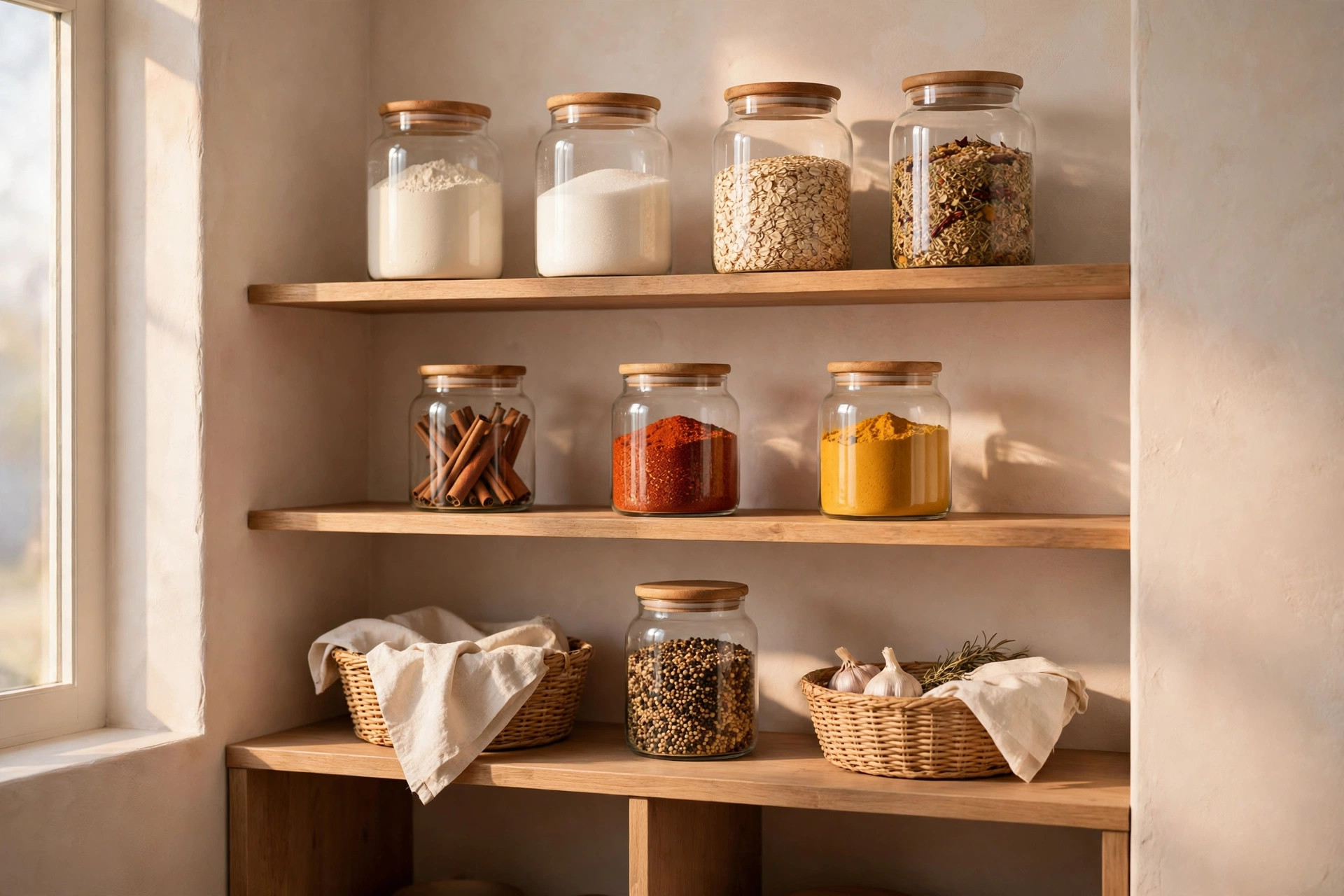
Plain flour works for biscuits, pastry, crumbles and most traybakes. Self-raising flour suits sponge cakes, muffins and scones. Wholemeal flour adds nutty depth to banana bread, flapjacks and rustic loaves, though it can make cakes heavier, so try mixing it half and half with plain flour at first.
Keep these flours on your list:
- Plain flour, for biscuits, pastry and crumbles
- Self-raising flour, for sponges, muffins and scones
- Wholemeal flour, for banana bread and flapjacks
- Cornflour, for thickening sauces and lightening sponge mixtures
One safety note matters here. Flour is a raw ingredient, so it should always be cooked or baked before eating, and raw cake batter should not be tasted. The Food Standards Agency advises cooking flour-based foods thoroughly, because raw flour can carry harmful bacteria. You can read their guidance on cooking food safely.
What Sugars and Sweeteners Make Winter Bakes Taste Cosy?
Caster sugar, soft light brown sugar and a jar of honey or golden syrup will cover almost every winter bake. Caster sugar dissolves easily in cake mixtures, while brown sugar adds a soft, caramel note that suits gingerbread, flapjacks and crumbles.
Brown sugar is the quiet hero of winter baking. Its molasses content keeps bakes moist and gives them a deeper flavour than white sugar alone. Demerara sugar is lovely sprinkled over crumble toppings or muffins, where it bakes into a gentle crunch.
A little sweetness goes a long way, and it is worth keeping portions in mind. The NHS recommends that adults have no more than 30g of free sugars a day, which is roughly seven sugar cubes. Home baking helps here, because you control exactly how much sugar goes in. You can read more on the NHS page about sugar.
Which Spices and Flavourings Belong in a Winter Baking Pantry?
Cinnamon, ginger, nutmeg and vanilla are the four flavourings that make winter baking smell like winter. Cinnamon suits almost everything, ginger brings warmth to biscuits and cakes, nutmeg deepens custards and crumbles, and vanilla rounds everything off.
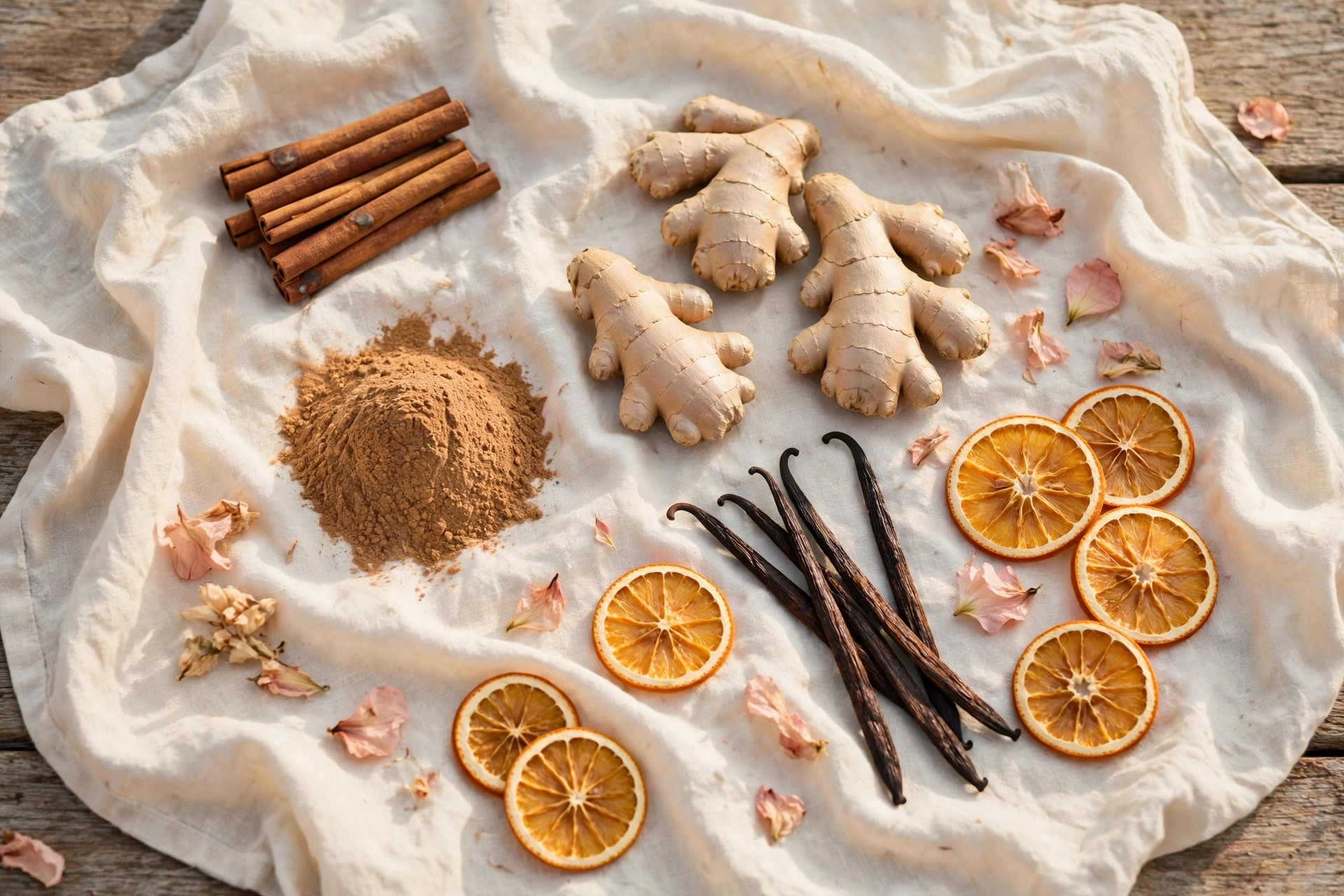
Ground spices are the easiest starting point. Buy small jars, because ground spices lose their strength over time, and replace them each winter if they smell faint. Mixed spice is a handy shortcut too, since it blends cinnamon, nutmeg and other warming spices in one jar.
For flavourings, vanilla extract is the one to buy first. A teaspoon transforms plain sponge, custard and buttercream. Almond extract is a lovely second choice for cherry and almond bakes, but use it sparingly, as it is much stronger.
- Cinnamon, for cakes, crumbles and biscuits
- Ground ginger, for gingerbread and spiced traybakes
- Nutmeg, for custard, crumble and eggy breads
- Vanilla extract, for sponges, buttercream and custard
- Cocoa powder, for chocolate cakes and warming drinks
What Fats, Eggs and Dairy Belong in a Winter Baking Pantry?
Butter, eggs and milk are the fresh staples every baker needs, and they deserve a little thought. Unsalted butter gives you control over salt levels, free-range eggs give cakes a lovely colour, and whole milk keeps mixtures tender.
Keep a block of butter in the fridge and one in the freezer as backup. Take butter out about half an hour before baking so it softens, which helps it cream smoothly with sugar. Cold butter can make cake mixture lumpy and heavy.
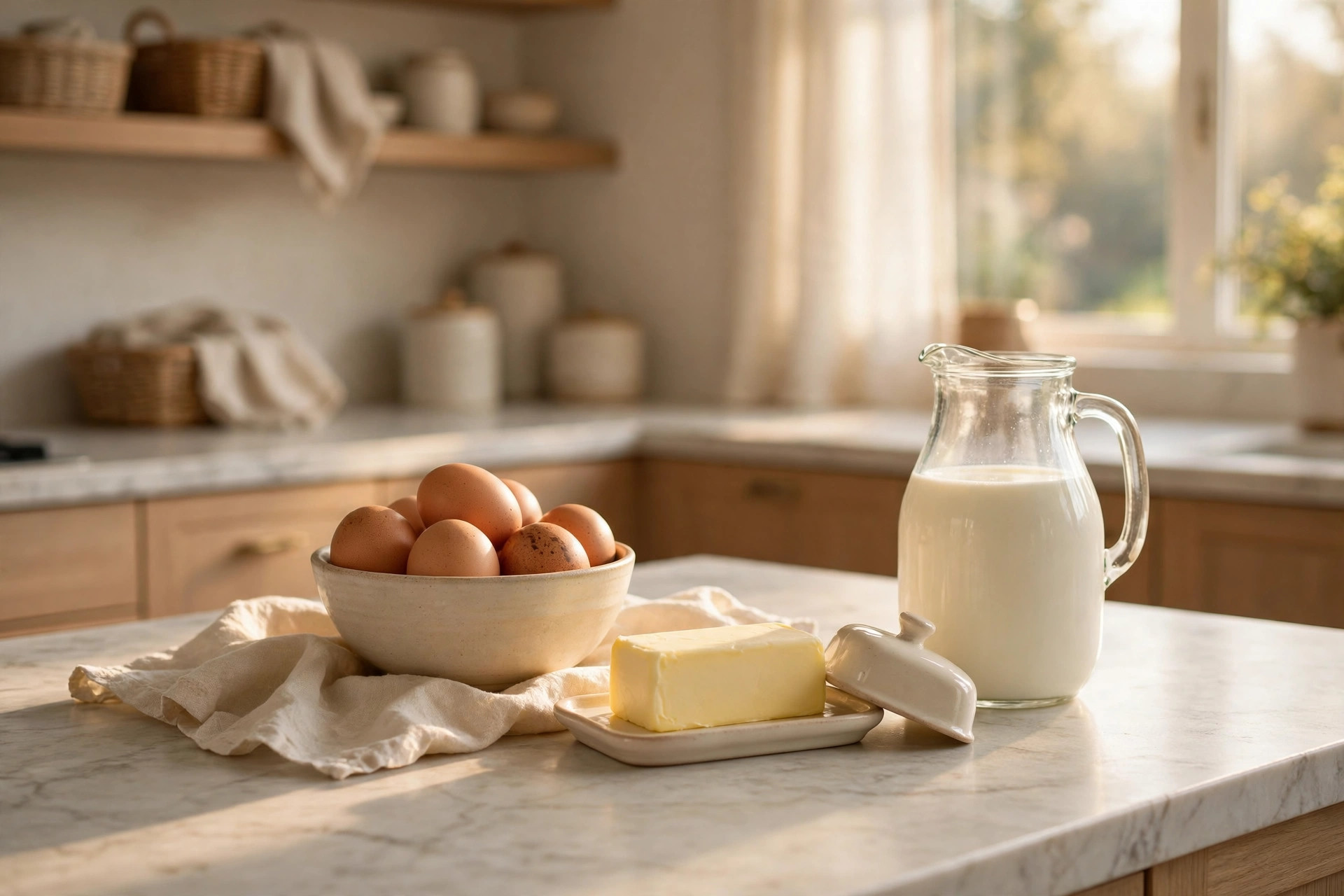
Eggs are best used at room temperature too, since cold eggs can curdle a creamed mixture. If you forget to take them out, sit them in a bowl of warm water for ten minutes. For milk, whole milk is the most forgiving choice for beginners, as it adds richness that skimmed milk cannot quite match.
A few long-life extras are worth keeping as well. A tin of condensed milk makes easy fudge and caramel sauces, while a carton of long-life cream is handy for pouring over crumbles when fresh cream runs out.
How Do I Store Winter Pantry Staples So They Stay Fresh?
Store dry ingredients in airtight jars or sealed containers in a cool, dry cupboard away from the oven and direct sunlight. This keeps flour fresh, stops sugar from clumping, and protects ground spices from losing their scent.
Labelling jars makes a real difference. Write the name and the date you opened it on a small label, so you can tell at a glance what needs replacing. Whole spices keep their flavour longer than ground ones, so if you fall in love with baking, a small grinder and whole nutmegs are a lovely next step.
Butter freezes beautifully for a few months. Eggs can be frozen too if beaten first, though most beginners will simply buy fresh eggs weekly. Keep baking powder in a dry place and check its date, since old baking powder loses its lift and can leave cakes flat.
| Staple | Where to store it | How long it lasts |
|---|---|---|
| Plain and self-raising flour | Airtight container, cool cupboard | Several months |
| Ground spices | Sealed jar, away from heat | About a year at best flavour |
| Sugar | Sealed container, dry cupboard | Very long, if kept dry |
| Butter | Fridge, or freezer for backup | Weeks chilled, months frozen |
| Baking powder | Dry cupboard, tightly closed | Check the date on the tub |
What Should I Bake First With My Winter Pantry Staples?
Start with forgiving bakes that do not demand perfect technique. A simple sponge cake, a tray of shortbread, a fruit crumble or a batch of flapjacks will all teach you the basics while filling your kitchen with wonderful smells.
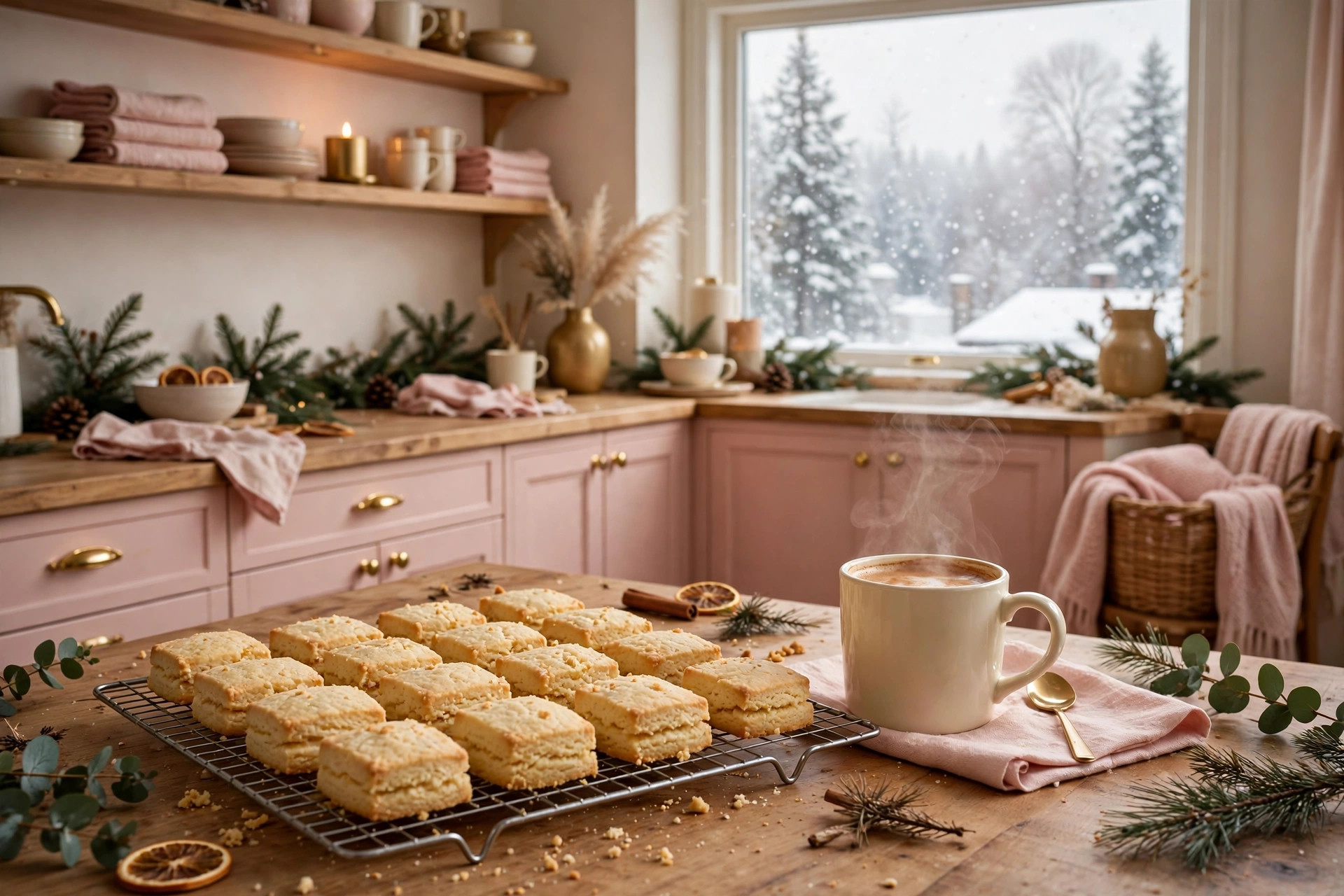
Shortbread is a beautiful first bake, needing only flour, butter and sugar. A fruit crumble is just as kind, since the topping hides any wobbles underneath. Flapjacks teach melting, mixing and pressing, and keep well in a tin for days.
Try this gentle order for your first month:
- Week one: shortbread biscuits, to learn rubbing in and shaping
- Week two: a fruit crumble, to practise toppings and oven timing
- Week three: flapjacks, to learn melting and pressing mixtures
- Week four: a simple sponge cake, to try creaming and folding
Each bake builds on the last, and none needs special equipment beyond a mixing bowl, a wooden spoon and a baking tin. If something goes a little wrong, it will almost always still taste lovely warm from the oven.
How Do I Build My Winter Pantry Staples for Cosy Baking Beginners Over Time?
Build your pantry gradually, adding one or two new ingredients each time you try a new recipe. This keeps costs gentle and stops cupboards filling with jars you never open.
After your first month, you might add oats for flapjacks and crumble toppings, dried fruit for cakes, and chocolate chips for cookies. Later, try ground almonds for friands, or a jar of mincemeat for festive tarts.
Keep a small notebook or a note on your phone with the ingredients you already own. It saves duplicate buying and makes shopping lists quick. Before long, you will know your pantry by heart, and winter baking will feel like second nature.
Frequently Asked Questions
Common questions about winter pantry staples for cosy baking beginners, answered simply. From equipment to first bakes, these answers help you start with confidence and enjoy your kitchen this winter.
Do I need special equipment to start winter baking?
No. A mixing bowl, a wooden spoon, a baking tin, a rolling pin and a set of scales will carry you through your first season of bakes. You can add pretty tins and cutters later, once you know which bakes you love most.
How much should a beginner spend on a first baking pantry?
Very little. Flour, sugar, butter, eggs, cinnamon and vanilla cover most beginner recipes, and buying small packs keeps the first shop affordable. Add extras one recipe at a time, rather than buying everything at once.
Can I bake if I only have plain flour?
Yes, absolutely. Plain flour works for biscuits, pastry, crumbles and traybakes, and you can add baking powder to it for cakes. Self-raising flour simply saves a step, but it is not essential for getting started.
What is the easiest winter bake for a total beginner?
Shortbread is the kindest first bake. It needs only three ingredients, takes minutes to mix, and forgives small mistakes. A fruit crumble is a close second, since its topping is meant to look rustic and rough.
Winter baking is not about perfection. It is about warm kitchens, small rituals and something sweet to share. Stock your pantry slowly, bake what makes you happy, and let the season teach you as you go. Put the kettle on, preheat the oven, and enjoy your very first cosy bake this week.
Leave a Reply