
My bathroom shelf used to look like a graveyard of good intentions: a gel cleanser that left my face squeaky, a rich cream that sat on my skin like a raincoat, a toner that stung for no reason. Every product claimed to be “for all skin types,” and every one of them missed. The fix wasn’t another product. It was an hour of paying attention.
Your skin type is simply how your skin behaves on its own — how much oil it makes, how quickly it loses water, how easily it gets irritated. Once you know that, choosing products stops being guesswork. Here is the simplest way to find out, no appointment required.
Why It Matters More Than Any Product
Skincare is not one-size-fits-all, no matter what the label promises. A rich, buttery cream is a lifesaver for dry skin and a breakout trigger for oily skin. A foaming gel that feels refreshingly clean on oily skin can strip dry skin raw. Most “this product didn’t work for me” stories are really “this product was made for someone else’s skin” stories.
Knowing your type also saves money. When you understand what your skin actually needs, you stop buying solutions to problems you don’t have. A basic routine that matches your type will always beat an expensive routine that doesn’t.
The Bare-Face Test (One Hour, Zero Products)
This is the method estheticians recommend for a reason: it works. Pick a time when you won’t need to leave the house — a weekend morning or a quiet evening.
1. Wash your face with a gentle, fragrance-free cleanser. Lukewarm water, not hot. Use your fingertips, not a scrubbing cloth, and rinse well.
2. Pat your skin dry with a clean towel. Do not apply anything — no toner, no serum, no moisturizer. This part matters; the test only works on a bare face.
3. Set a timer and go about your day indoors. Try not to exercise or sit in direct sun, since sweat and heat change the result.
4. Check in at the 30-minute and 60-minute marks. Look closely in natural light and, gently, press a clean fingertip to your forehead, nose, and cheeks to feel for oil.
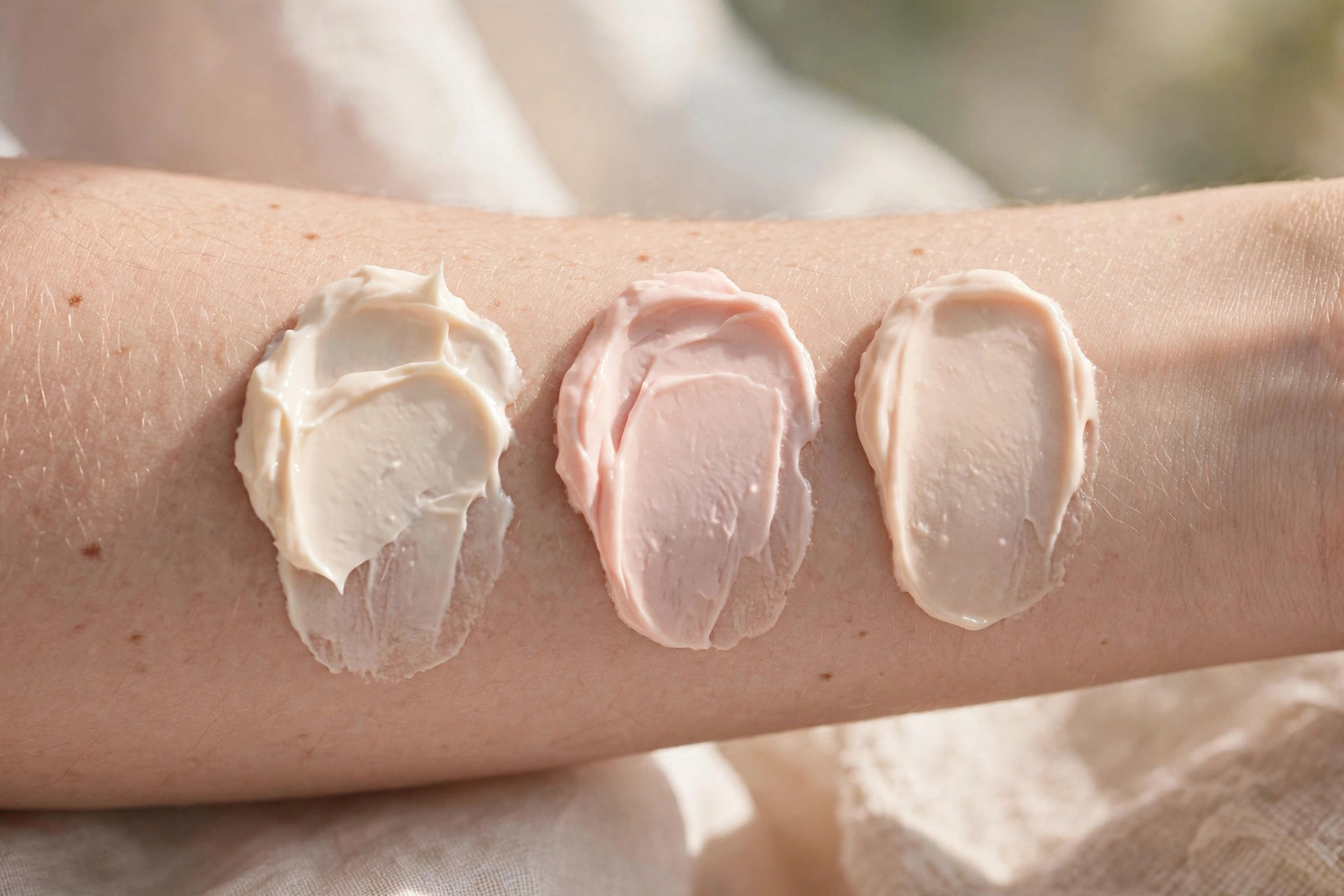
How to Read Your Results
Oily Skin
Shine appears across your whole face — forehead, nose, cheeks, chin — usually within the first half hour. Pores look visible, especially around the nose, and you may be prone to blackheads and breakouts.
What it needs: lightweight hydration (yes, oily skin still needs moisture — skipping it makes skin produce more oil), gel or water-based textures, and consistent gentle cleansing. A common trap is using harsh products to “dry out” the oil. That backfires. Keep your barrier calm and the oil production often settles down on its own.
Dry Skin
Your face feels tight, maybe a little papery, after an hour with nothing on it. You might notice fine flakiness around the nose or eyebrows, and makeup tends to settle into lines by afternoon.
What it needs: creamy cleansers that don’t foam aggressively, richer moisturizers with ingredients like ceramides and squalane, and possibly a facial oil in winter. Lukewarm water is your friend — hot water strips the little oil your skin makes, so keep showers moderate.
Combination Skin
This is the most common type and the most confusing one. Your T-zone (forehead, nose, chin) turns shiny while your cheeks stay normal or feel dry. It can feel like your face is two different people.
What it needs: a balanced routine that doesn’t cater to just one half. A light gel moisturizer all over often works, or you can use slightly different products on the T-zone and cheeks — a thinner layer on the forehead, a richer one on the cheeks. You don’t need two full routines; small adjustments are enough.
Normal Skin
Neither tight nor shiny after an hour. Pores are small, breakouts are rare, and your skin mostly behaves itself. If this is you, congratulations — and keep it simple. A gentle cleanser, a light moisturizer, and daily sunscreen will maintain what you have.
Sensitive Skin
Any of the above, plus: your skin reacts. Redness, stinging, or itching after new products, changes in weather, or even plain water sometimes. Sensitivity isn’t a skin type on its own so much as a condition that layers over one — you can have sensitive-oily or sensitive-dry skin.
What it needs: fragrance-free everything, fewer products rather than more, and new products introduced one at a time so you can tell what caused a reaction. Patch testing behind your ear for 24 hours before trying something on your face will save you many bad weeks.
Mistakes That Ruin the Test
Testing right after a workout or a hot shower will make everyone look oily. Testing during a season change can be misleading too — skin is often drier in winter and oilier in summer. If your result surprises you, repeat the test once more on a different day.
Also, be honest about your current routine. If you’ve been using strong exfoliating acids or retinoids, your skin may behave more sensitively or dry than its true type for a while. Give it a week of gentle basics, then test.
Your Skin Type Is Not Permanent
This is the part nobody tells you. Your skin type can shift with age, hormones, climate, medication, and stress. The dry skin of your twenties can become combination in your thirties. Skin that was oily for years can turn dry after certain treatments or just with time.
So treat this as a check-in, not a lifetime label. Run the bare-face test again whenever your products stop working the way they used to, or once a year as a habit. Skincare that evolves with your skin will always serve you better than loyalty to a routine from five years ago.
Once you know your type, the next step is building a routine that fits it — a simple morning skincare routine with the right cleanser, moisturizer, and sunscreen for your skin. And if you’re shopping on a budget, these drugstore skincare products that actually work cover every skin type without the luxury markup.
Your skin has been trying to tell you what it is all along. An hour of listening is all it takes.
Leave a Reply