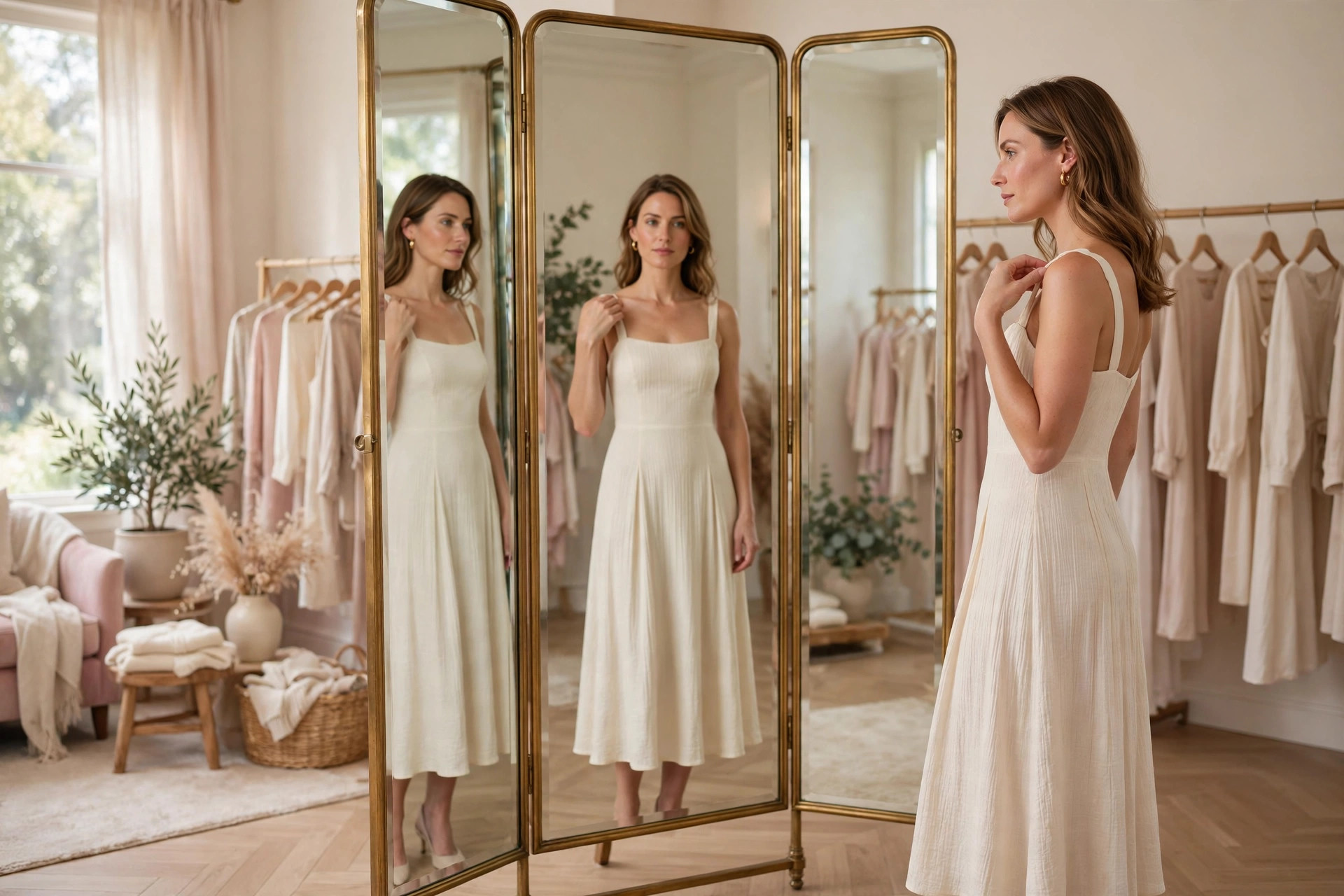
I used to stand in fitting rooms holding two sizes of the same dress, close to tears, convinced my body was the problem. It wasn’t. The dress was cut for someone else’s proportions, and nobody had ever told me that “flattering” is mostly a matter of lines, fabric, and fit — not willpower, not dieting, not squeezing into a trend.
This guide is the conversation I wish someone had had with me at twenty-two. No shaming, no fruit metaphors meant to make you feel like produce. Just practical, honest advice about reading your own proportions and choosing clothes that work with them.
Start With Proportion, Not a Label
Body-shape guides usually begin by asking you to pick a category, as if you’re choosing a team. I’d rather you start with something simpler: stand in front of a mirror in something fitted — leggings and a tank top work — and notice three things. Where do your shoulders sit relative to your hips? Where is your waist most defined, if it is? And where do you naturally carry a little more softness?
That’s it. You’re not diagnosing a flaw; you’re taking measurements the way a tailor would. A tailor doesn’t judge your body. She looks at where the fabric needs to fall, where a seam should sit, where a little ease would help. Borrow that mindset. The goal was never to dress like someone else. It’s to dress like yourself on a very good day.
One more thing before we go further: shapes are tendencies, not cages. Most women are a blend of two. If you read a section below and think “that’s half me,” you’re probably right, and that’s completely normal.
The Five Shapes, Translated Into Plain Language
The hourglass: defined waist, balanced bust and hips
If your waist is noticeably narrower than your bust and hips, clothes that acknowledge that waist will always look best on you. Wrap dresses are the classic for a reason — the diagonal line follows your natural shape instead of fighting it. Fitted knit dresses, belted coats, and high-rise trousers that sit at your true waist all do the same job.
What tends to disappoint: shapeless sack dresses and very boxy blazers that hide the waist entirely. You don’t have to show it off dramatically — a single belt over a coat can be enough — but giving the eye a gentle “in” at the middle makes everything look intentional.
The pear: hips fuller than shoulders and bust
Here’s the reframe nobody gave me early enough: a defined difference between your waist and hips is exactly what makes wrap skirts and fit-and-flare dresses look so good on you. Your job is simply balance — a little visual interest up top, clean lines below.
Boat necklines, puff or flutter sleeves, and structured shoulders (even a blazer with a soft shoulder pad) bring the upper body into proportion. On the bottom, A-line skirts, wide-leg trousers, and dark, simple denim keep the line long and unbroken. I wore a boat-neck striped top with dark wide-leg trousers to a friend’s birthday dinner last spring and got more compliments than I’ve had in years — the whole outfit cost less than one “statement” dress.
The apple: fuller through the midsection, slimmer legs
If you carry softness around your middle with lovely slim legs, the most flattering move is to draw the eye to your neckline and legs while giving your torso breathing room. Empire-waist dresses, V-necks, and tops that skim rather than cling are your quiet superpowers.
A-line dresses that float from just under the bust, straight-leg trousers with a flat front, and longer open cardigans or dusters that create vertical lines all work beautifully. Skip anything with a tight elastic waistband digging in at the middle — a smooth, flat waistband or a dress with no waistband at all will always feel and look better.
The rectangle: shoulders, waist, and hips fairly even
Straighter figures have a wonderful advantage: almost every trend silhouette sits cleanly on you. Your flattering move is creating the suggestion of curves where you want them. Peplum tops, belted dresses, ruffled or tiered skirts, and jackets with a nipped waist all add dimension.
Layering is your best friend. A cropped jacket over a longer top, or a tucked-in blouse with high-rise jeans, breaks your line into pleasing thirds. And honestly? The oversized, borrowed-from-him looks that swamp curvier figures tend to look effortlessly chic on a straighter frame.
The inverted triangle: broader shoulders, narrower hips
If your shoulders are the widest point, softness and volume on the lower half bring everything into harmony. Wide-leg trousers, A-line and pleated skirts, and dresses with fuller skirts balance a stronger shoulder line naturally.
Up top, keep it simple: V-necks, scoop necks, and raglan sleeves soften rather than widen. Avoid heavy shoulder pads, big epaulettes, and boat necks — anything that adds horizontal emphasis where you already have it. A simple dark top with an interesting wide-leg trouser is one of the most elegant formulas I know for this shape.
Fit Will Always Beat the “Right” Shape
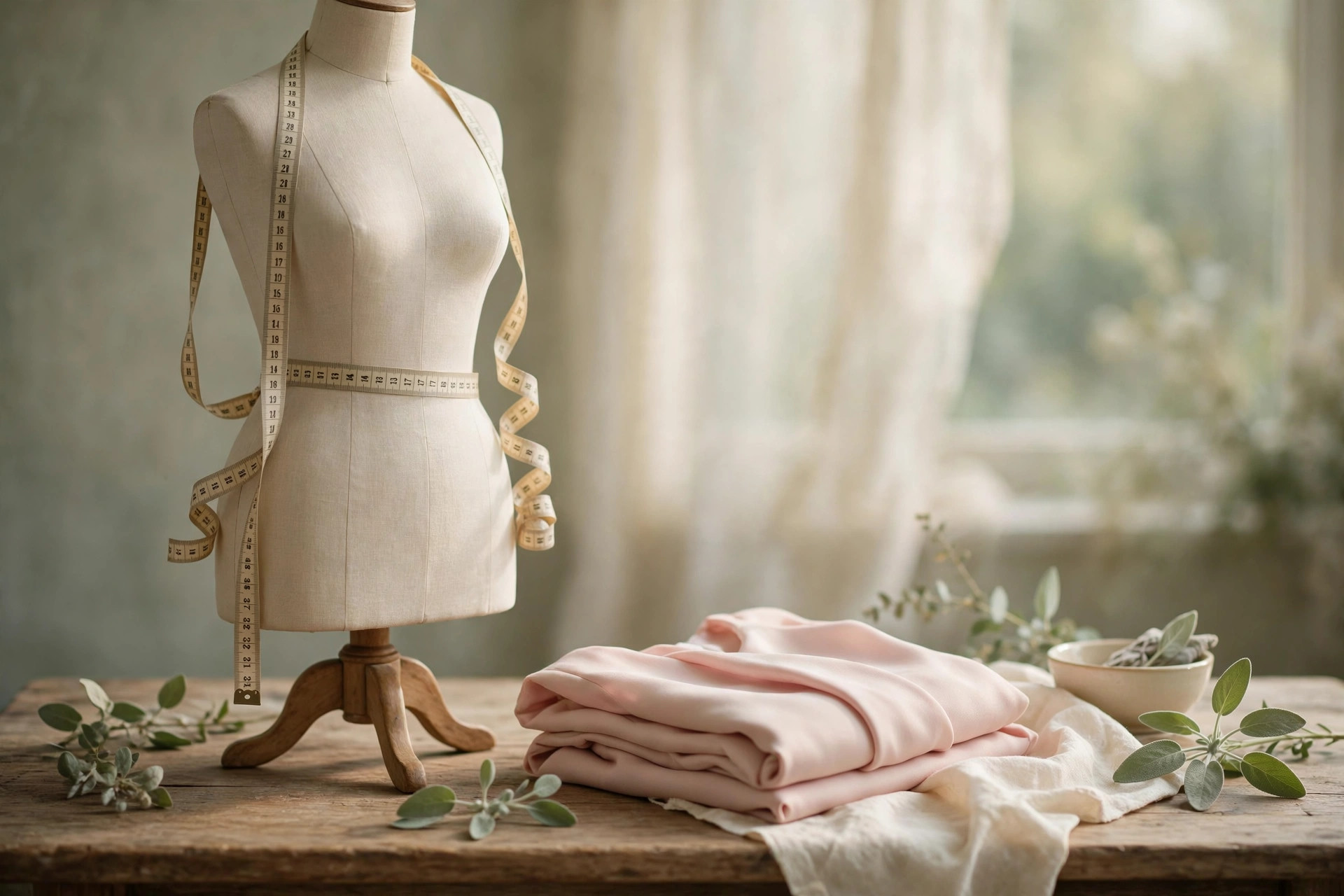
Here’s the secret the guides bury: a well-fitting garment in a “wrong” silhouette beats an ill-fitting garment in the “right” one, every single time. I own a boxy blazer — technically unflattering for my shape — that I had tailored through the waist, and it looks better on me than any off-the-rack “hourglass-approved” jacket ever did.
Learn your three key measurements (bust, waist, hips) and compare them to size charts instead of grabbing your usual size. Size for your largest measurement and tailor down; taking in is easy, letting out usually isn’t. Shoulder seams should sit at your shoulder bone. Trouser hems should kiss the top of your shoe. Sleeves should end at your wrist bone. These tiny details are what make an outfit look expensive, and they have nothing to do with your shape.
Fabrics and Details That Do the Heavy Lifting
Fabric choice quietly decides whether a silhouette works. Stretch crepe, ponte, and jersey with recovery smooth without clinging. Silk and satin skim and drape — gorgeous, but they show every line underneath, so the cut has to be right. Stiff cottons and structured wools hold their own shape, which is wonderful for creating structure where you want it.
Details steer the eye: vertical seams lengthen, diagonal wraps define, ruching forgives, and pockets placed well can balance a hip. Necklines matter enormously — a V-neck elongates the torso, a scoop softens a strong shoulder, a high neckline adds drama but shortens visually. None of this is about hiding. It’s about directing attention the way a photographer frames a shot.
A Fitting-Room Routine That Actually Works
Try this next time you shop. Bring one size up and one size down of everything — fitting rooms have bad lighting and your size varies by brand, so stop treating the number as information about your body. Sit down in trousers. Raise your arms in tops. Walk to the mirror far away, not just the one inches from your face, because that’s how the world sees you.
Give yourself the tailor test: if it needs more than two alterations, put it back. Life is too short and wardrobes too small for “someday” pieces. And when something fits beautifully, notice why — the seam placement, the fabric, the neckline — and write it in your phone. Over time you build a personal cheat sheet that makes shopping ten times faster. Once you understand your proportions, finding your personal style becomes so much easier, because you’re choosing from what genuinely suits you.
The Only Rule That Matters
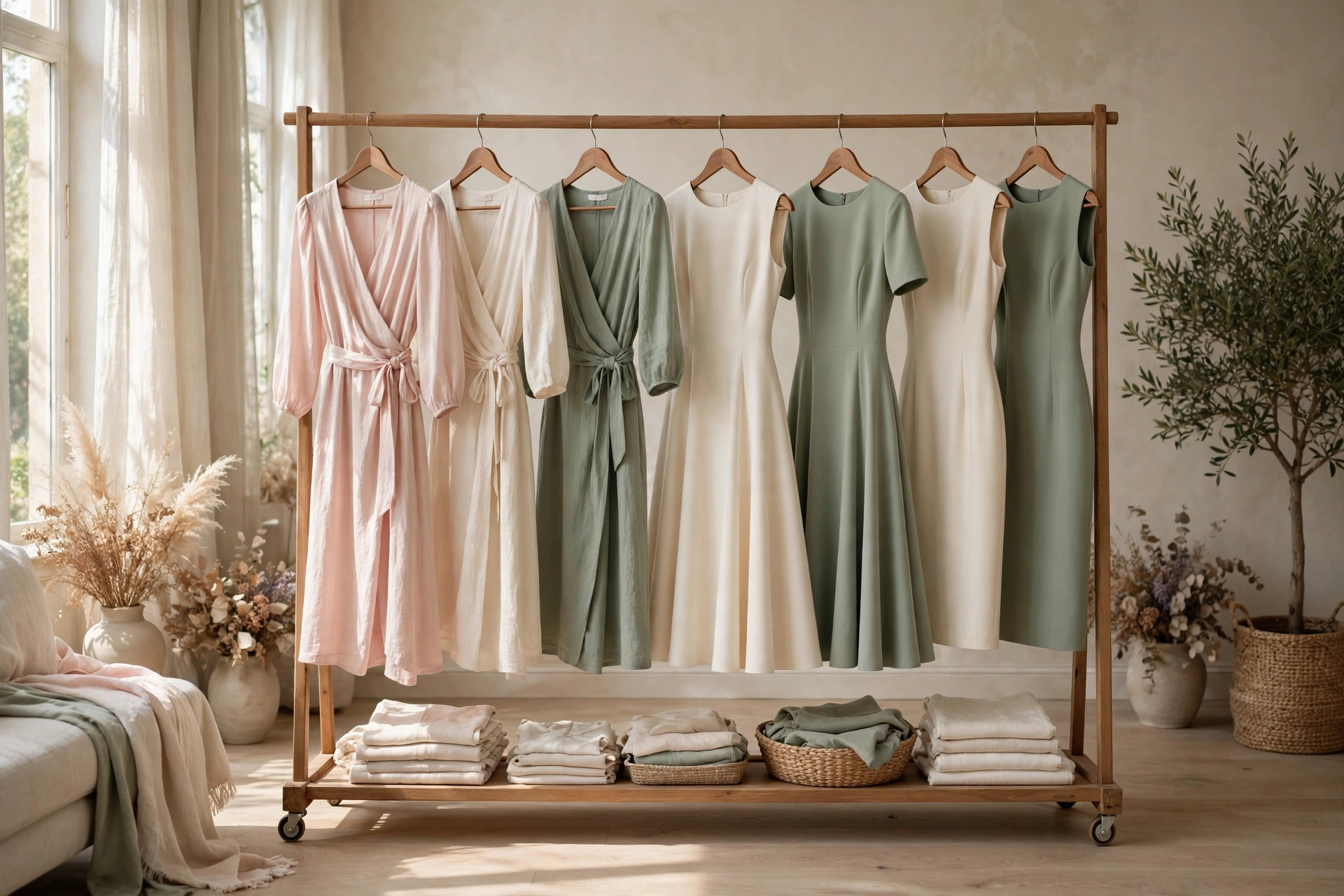
After all the silhouettes and seams, here’s what I actually believe: the most flattering thing you can wear is the thing you feel like yourself in. I’ve seen every “rule” in this guide broken beautifully by women with the confidence to carry it. Use this knowledge as a starting point, not a fence.
Start with one small experiment this week — a wrap dress if you’ve never tried one, a V-neck if you live in crew necks, a belt over a coat. Notice how you feel at 6 p.m., not just in the mirror at noon. The right clothes don’t just look good in photographs. They let you forget about your clothes entirely and get on with your day. And if you’re rebuilding your wardrobe around what you’ve learned, a minimalist capsule approach keeps it focused and affordable. That’s the whole point, really: clothes should serve your life, not the other way around.
Leave a Reply