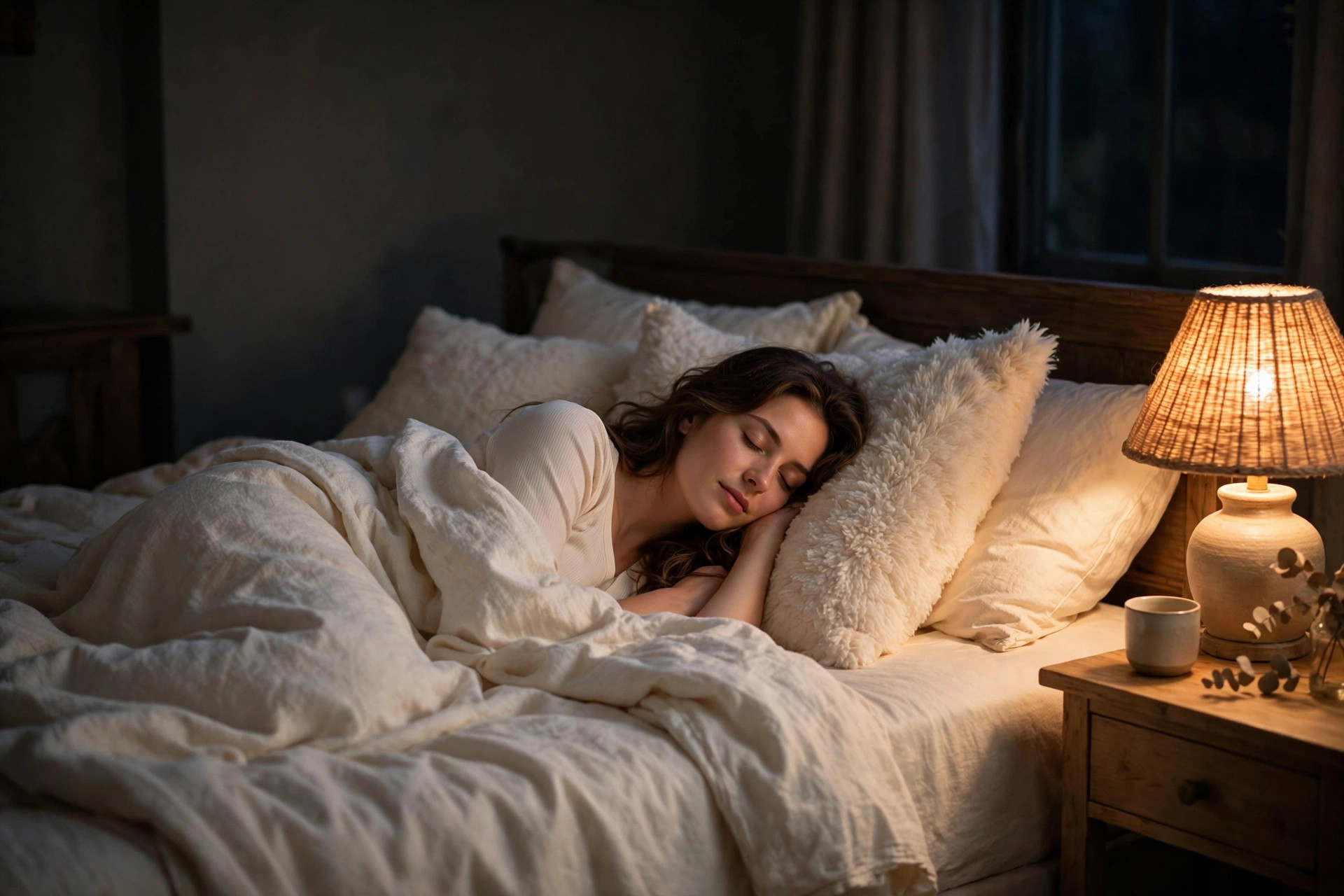
There is something magical about the first dark evenings of fall. The sun sets earlier, the air turns cool, and everything feels made for blankets and early nights. But for many of us, longer nights come with a frustrating surprise: worse sleep. You feel tired earlier but toss and turn at midnight. You wake up groggy even after eight hours. Your whole rhythm feels slightly off.
You are not imagining it. The changing light of autumn genuinely affects how our bodies handle sleep. The good news is that small, cozy adjustments can get you back to deep, restful nights. This guide explains why fall messes with your sleep and gives you a simple plan to fix it, one gentle habit at a time.
Why Fall Messes With Your Sleep
Your body runs on an internal clock, and light is what sets it. In summer, long bright days tell your body exactly when to be awake and when to wind down. In fall, daylight shrinks fast. Mornings stay dark longer, evenings go dark early, and your body gets confused about what time it really is.
Here is what happens behind the scenes. When darkness falls, your brain starts producing melatonin, the hormone that makes you feel sleepy. In fall, darkness arrives hours earlier than your body expects, so melatonin can kick in too early, making you drowsy at 8 p.m. Then, because mornings are darker too, your body is slower to shut melatonin off, which is why you can feel groggy and heavy even after a full night of sleep.
Cooler weather plays a role as well. Your body actually sleeps best when its core temperature drops slightly, and cool fall bedrooms should help with that. But if your room gets too cold, or your feet are freezing, discomfort wakes you up instead. Add in the general busyness of fall, with back-to-school energy, holiday planning, and shorter days squeezing your schedule, and it is no wonder sleep gets rocky.
None of this means anything is wrong with you. It means your body is responding to the season, and you can work with it instead of against it.
Start With Morning Light
If you change only one thing, make it this: get bright light in the morning. Morning light is the strongest signal you can give your internal clock. It tells your body that daytime has started, which helps melatonin shut off on time and sets you up to feel sleepy at the right hour that night.
You do not need anything special. Within an hour of waking up, spend ten to fifteen minutes near bright light. Sit by a sunny window with your coffee. Take a short walk around the block. Even on cloudy days, outdoor light is far brighter than indoor light, so stepping outside for a few minutes makes a real difference.
If your mornings are very dark where you live, a sunrise alarm clock or a bright light therapy lamp can help. These mimic dawn and gently wake your body up. They are not necessary for everyone, but many people in northern areas swear by them through fall and winter.
Build a Wind-Down Routine You Actually Enjoy
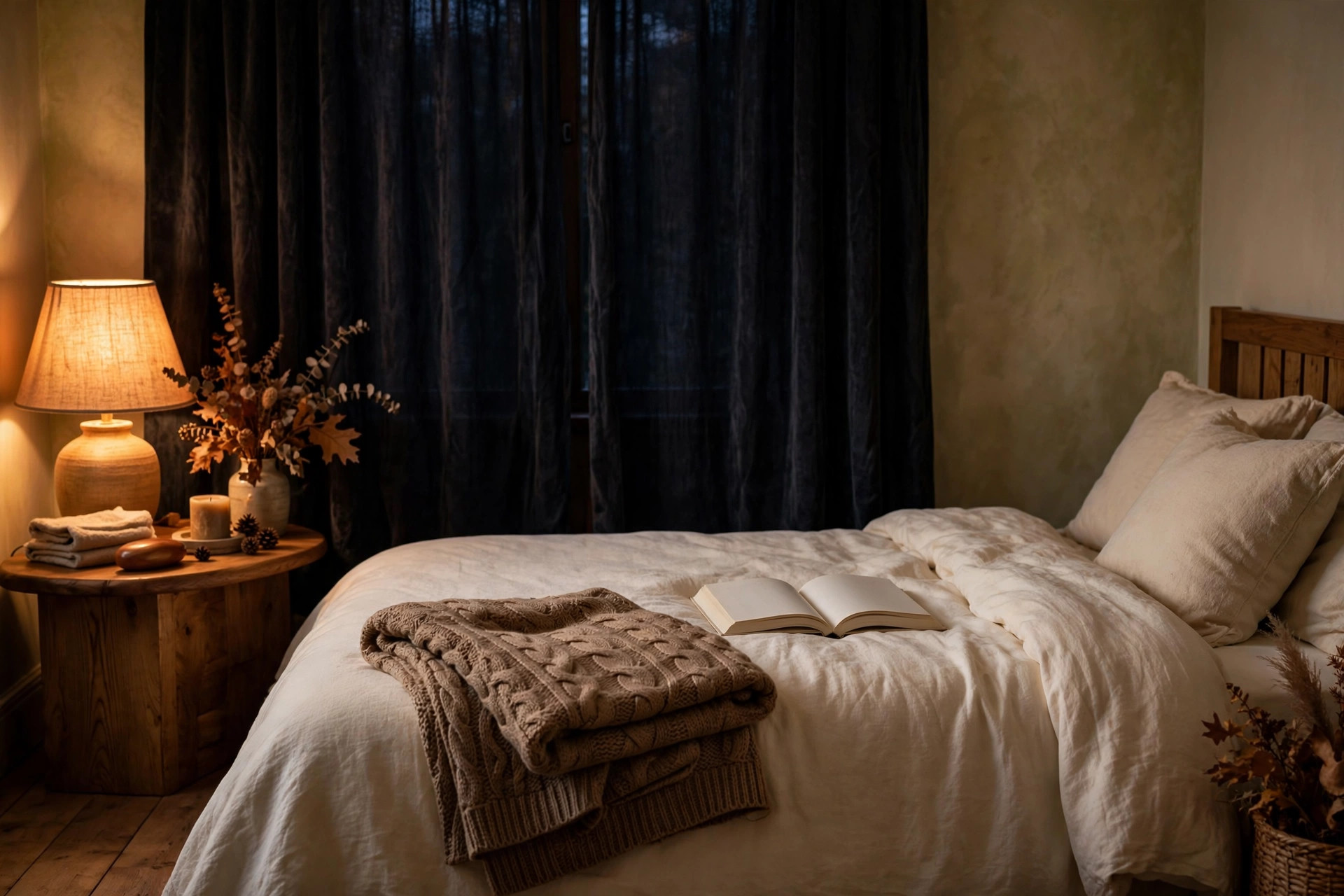
You cannot go from a bright screen and a busy brain to deep sleep in five minutes. Your body needs a landing strip. A wind-down routine is simply a set of calming activities you do in the hour before bed, in the same order each night, so your body learns that sleep is coming.
Here is a simple routine you can start tonight:
- One hour before bed: dim the lights. Turn off the bright overhead lights and switch to lamps or candles. Dim light tells your brain that nighttime is here.
- Put the phone down. Scrolling keeps your brain alert and the blue light pushes sleepiness away. Charge your phone outside the bedroom or across the room. If you need something to do, read a physical book or magazine instead.
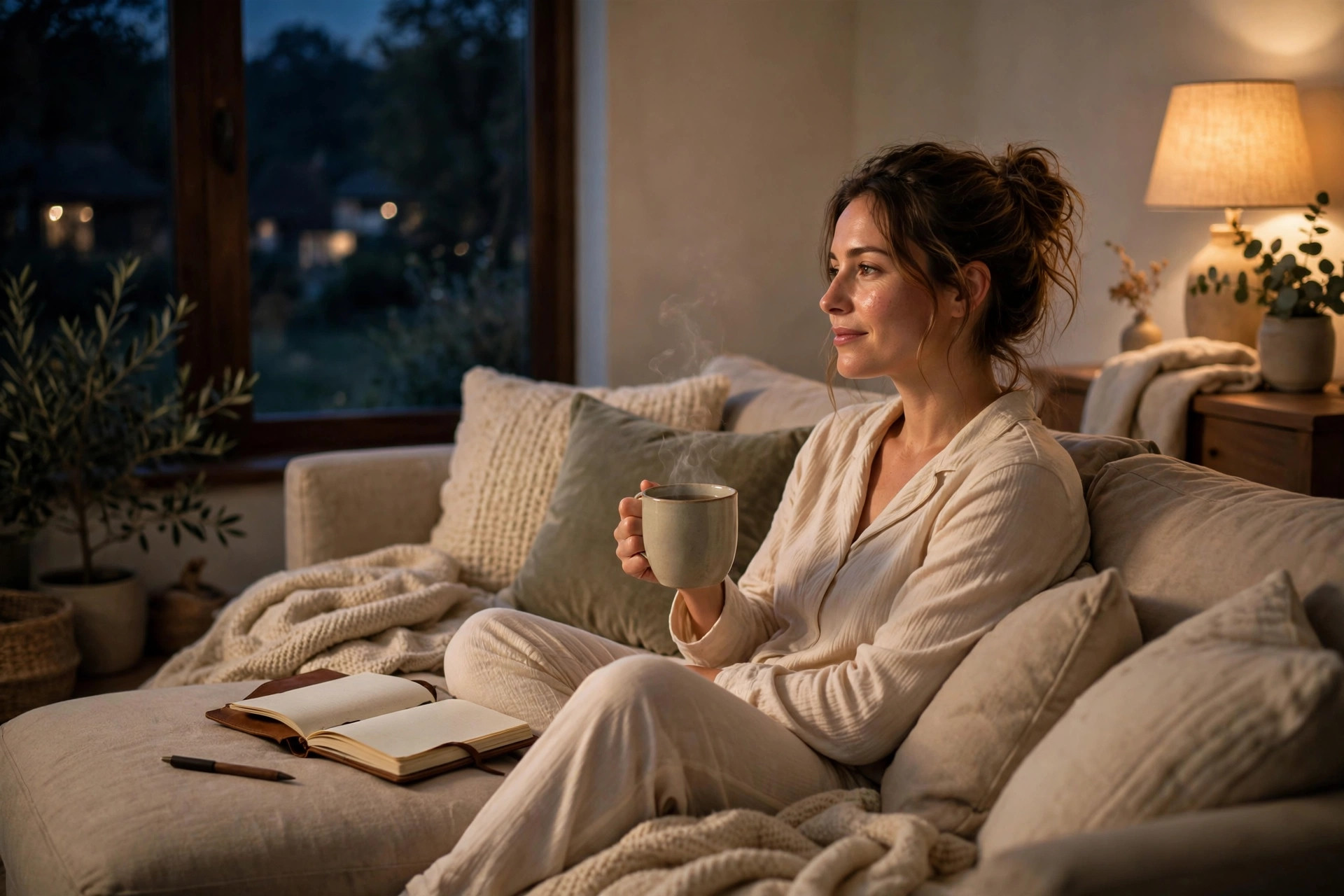
- Do something warm and calming. Take a warm shower or bath, make a cup of caffeine-free herbal tea, or do some gentle stretching. Warmth followed by cooling down mimics the natural temperature drop that helps you fall asleep.
- Write tomorrow down. If your mind races with to-do lists, keep a notebook by your bed and write everything down. Getting worries onto paper tells your brain it does not need to hold onto them all night.
- Keep it consistent. Do roughly the same steps at roughly the same time each night. Consistency is what turns a routine into a signal your body trusts.
The key word is enjoy. If your wind-down feels like another chore, you will skip it. Make it the coziest part of your day. This gentle approach to rest is exactly what our do-less self-care reset is about: letting rest be soft and unforced.
Turn Your Bedroom Into a Sleep Cave
Your bedroom should feel like a cave made for sleeping: dark, cool, and quiet. Small upgrades here pay off every single night.
Dark: Even small amounts of light can disturb sleep. If streetlights or early sunrises sneak in, blackout curtains are one of the best investments you can make. They are affordable and they transform a bedroom. If new curtains are not in the budget right now, a comfortable sleep mask works surprisingly well.
Cool: Most people sleep best in a cool room, roughly 65 to 68 degrees Fahrenheit (18 to 20 Celsius). If you run cold, warm up with socks and an extra blanket rather than cranking the heat. Cold air with a warm blanket is the magic combination: your body stays cool while you feel cozy.
Quiet: Silence is ideal, but not always possible. A white noise machine, a fan, or a free phone app playing steady rain sounds can mask traffic, neighbors, or a snoring partner. Choose a sound without sudden changes, since surprises wake the brain up.
Calm: Keep your bedroom mostly for sleep. If you work, scroll, or watch shows in bed, your brain stops associating the bed with rest. A tidy, uncluttered room also helps. You do not need a perfect bedroom, just one that feels peaceful when you walk in.
Watch What You Eat and Drink
What you consume in the second half of the day has a bigger effect on sleep than most people realize.
Caffeine: Caffeine stays in your body far longer than you think, up to eight hours or more. That afternoon coffee at 3 p.m. can still be keeping you wired at 11 p.m. Try setting a caffeine cutoff around noon or early afternoon. Switch to herbal tea or decaf after that. If you love the ritual of a warm evening drink, a golden milk or herbal tea from our glowing skin drinks collection is a perfect swap.
Alcohol: A glass of wine might make you feel drowsy, but alcohol actually breaks up your sleep later in the night, leading to more wake-ups and lighter rest. If you drink, keep it moderate and finish at least a few hours before bed.
Heavy late meals: Going to bed stuffed is uncomfortable, but going to bed starving is too. Aim for a satisfying dinner a few hours before bed. If you need a snack later, keep it light: a small bowl of yogurt, a banana, or a handful of nuts.
Move Your Body During the Day
Regular movement is one of the most reliable ways to sleep better, and it does not require intense workouts. A daily walk, some gentle yoga, or even tidying the house with energy all count. Exercise helps you fall asleep faster and sleep more deeply.
Timing matters a little. Morning or afternoon movement is ideal. Very intense exercise right before bed can leave some people too wired to sleep, so if you work out in the evening, finish at least two to three hours before bedtime and keep it moderate. A gentle evening stretch, on the other hand, is wonderful any time.
And here is a fall bonus: a walk in the crisp afternoon air gives you daylight, movement, and fresh air all at once. It is one of the simplest mood and sleep boosters there is.
Calm a Busy Mind
For many of us, the real sleep thief is not light or caffeine. It is the mind that will not stop talking. Lying in the dark replaying the day or rehearsing tomorrow is exhausting, and fighting it only makes it louder. Instead, give your mind something gentle to do.
- Try slow breathing. Breathe in slowly through your nose for four counts, hold for four, then breathe out through your mouth for six. Longer exhales calm your nervous system. Repeat for a few minutes.
- Do a body scan. Starting at your toes, slowly move your attention up through your body, noticing each part and letting it relax. Most people fall asleep before they reach their head.
- Read something calm. A physical book, especially something gentle rather than thrilling, gives your mind a soft place to land.
- Use scent. Lavender is the classic sleep scent for a reason: many people find it deeply relaxing. A little lavender pillow spray or a diffuser in the bedroom can become part of your wind-down signal. If you love building calming scent rituals, our fragrance layering guide for fall has ideas for cozy evening scents too.
Be Smart About Naps and Weekends
Naps are not the enemy, but long or late naps can steal your nighttime sleep. If you nap, keep it short, around twenty minutes, and finish before mid-afternoon. Set an alarm so a quick rest does not become a two-hour nap that leaves you groggy.
Weekends are trickier. Sleeping in for three extra hours on Saturday feels wonderful, but it shifts your body clock and can make Sunday night miserable. This is sometimes called social jet lag, and it is very real. Try to keep your wake time within an hour of your weekday time, even on weekends. You can still have a lazy morning in bed. Just get up, get some light, and then enjoy your slow day.
When to Take Sleep Problems Seriously
The tips in this guide help with the normal, seasonal sleep wobbles most people feel in fall. But if you have trouble falling or staying asleep most nights for several weeks, if you snore loudly or gasp in your sleep, or if daytime tiredness is affecting your work, driving, or mood, talk to your doctor. Sleep disorders are common and treatable, and there is no prize for suffering through them alone. This guide is wellness information, not medical advice, and a professional can help you figure out what is really going on.
The Bottom Line
Longer nights do not have to mean worse sleep. Get bright light in the morning, build a wind-down routine you look forward to, make your bedroom dark, cool, and quiet, watch the afternoon caffeine, move your body during the day, and give your busy mind something gentle to do at night. None of these are complicated. They are small, cozy habits that work with your body’s natural rhythm instead of against it.
Start tonight. Dim the lights an hour before bed, make a warm drink, and let the dark evening do what it was made to do: help you rest deeply. Sweet dreams.
Leave a Reply