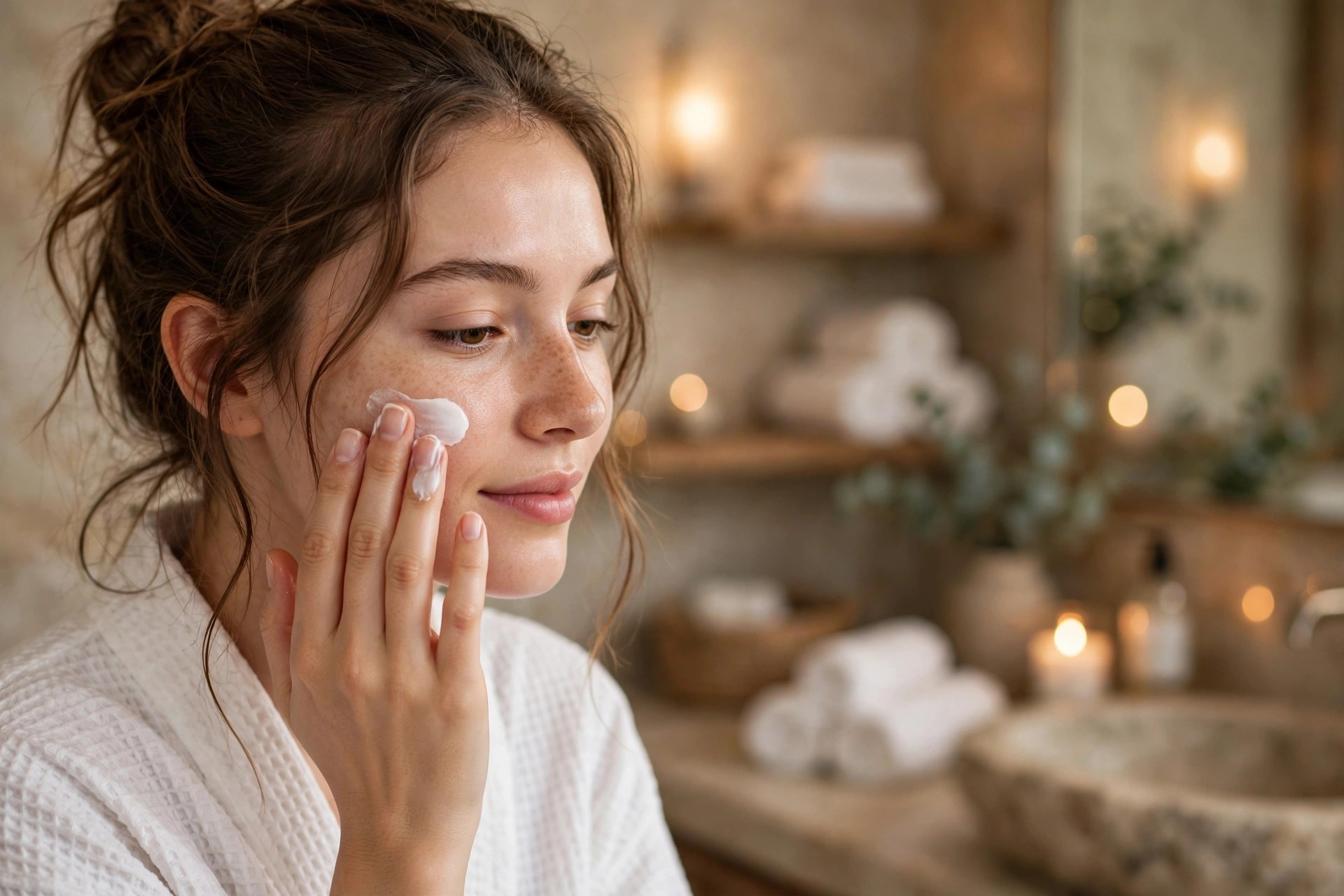
The biggest skincare trend this fall is not a fancy new serum. It is a mindset: put your skin barrier first. After a summer of sun, sweat, and strong products, cool air and indoor heat can leave your skin feeling tight, red, and tired. Instead of using more strong exfoliating acids and retinoids, the new idea is to calm your skin first. Think of it as a fall reset: fewer harsh steps, more gentle moisture, and products that make your skin feel comfortable again. Here is how to tell if your barrier is stressed, what to change in your routine, and the simple morning and evening steps your fall skin really needs.
What Your Skin Barrier Actually Does
Your skin barrier is the outer layer of your skin. It is a thin shield made of skin cells and natural oils. It keeps moisture in and keeps irritants out. When it is healthy, your skin feels smooth, soft, and calm. When it is damaged, moisture escapes faster. Then normal things like cold wind, dry air, and even your regular products can start to feel harsh.
Fall is the season when barrier stress is most common. Temperatures drop, the air gets dry, and heaters turn on. All of these pull moisture out of your skin. If you also used lots of exfoliating acids and retinoids in summer, your skin may start the season already worn down. The barrier-first idea is simple: give your skin what it needs to recover. Be gentle, add moisture, and protect — before using anything strong.
5 Signs Your Barrier Is Stressed
How do you know your barrier needs a break? Look for these common signs that your skin is asking for gentler care:
- Tightness after washing. Your skin feels squeaky or pulled within minutes of washing your face.
- Stinging or burning. Products that used to feel fine — your toner, your vitamin C serum — now sting when you put them on.
- Redness or flushing. Your cheeks look pink or blotchy even when you are not hot, working out, or embarrassed.
- Dry, flaky patches. Rough spots show up around your nose, mouth, or chin. Makeup sticks to these spots instead of blending in.
- Sudden sensitivity. Everything feels like too much at once. Your skin reacts to things it used to handle with no problem.
These are common cosmetic signs of stressed skin, not a medical diagnosis. If you have pain, severe irritation that does not go away, or a skin problem that is getting worse, see a dermatologist. A dermatologist is a skin doctor and the right person to help you.
Step One: Cleanse Gently
Your cleanser is where most routines go wrong. That tight, squeaky-clean feeling after washing is not a sign your face is clean. It is a sign your cleanser is too harsh. It has stripped away the natural oils your barrier needs. For fall, switch from foaming or high-pH cleansers to a creamy, milky, or balm formula that washes off without that tight feeling after.
Use lukewarm water, not hot water. Wash for a full sixty seconds with soft, circular motions. Rushing through your cleanse is a wasted cleanse. In the morning, you may not need a full wash at all. A splash of lukewarm water or a swipe of hydrating toner is often enough. Your skin does not have sunscreen and dirt on it in the morning the way it does at night. The goal is simple: after washing, your skin should feel soft and comfortable, never tight.
Reach for Milky, Hydrating Textures
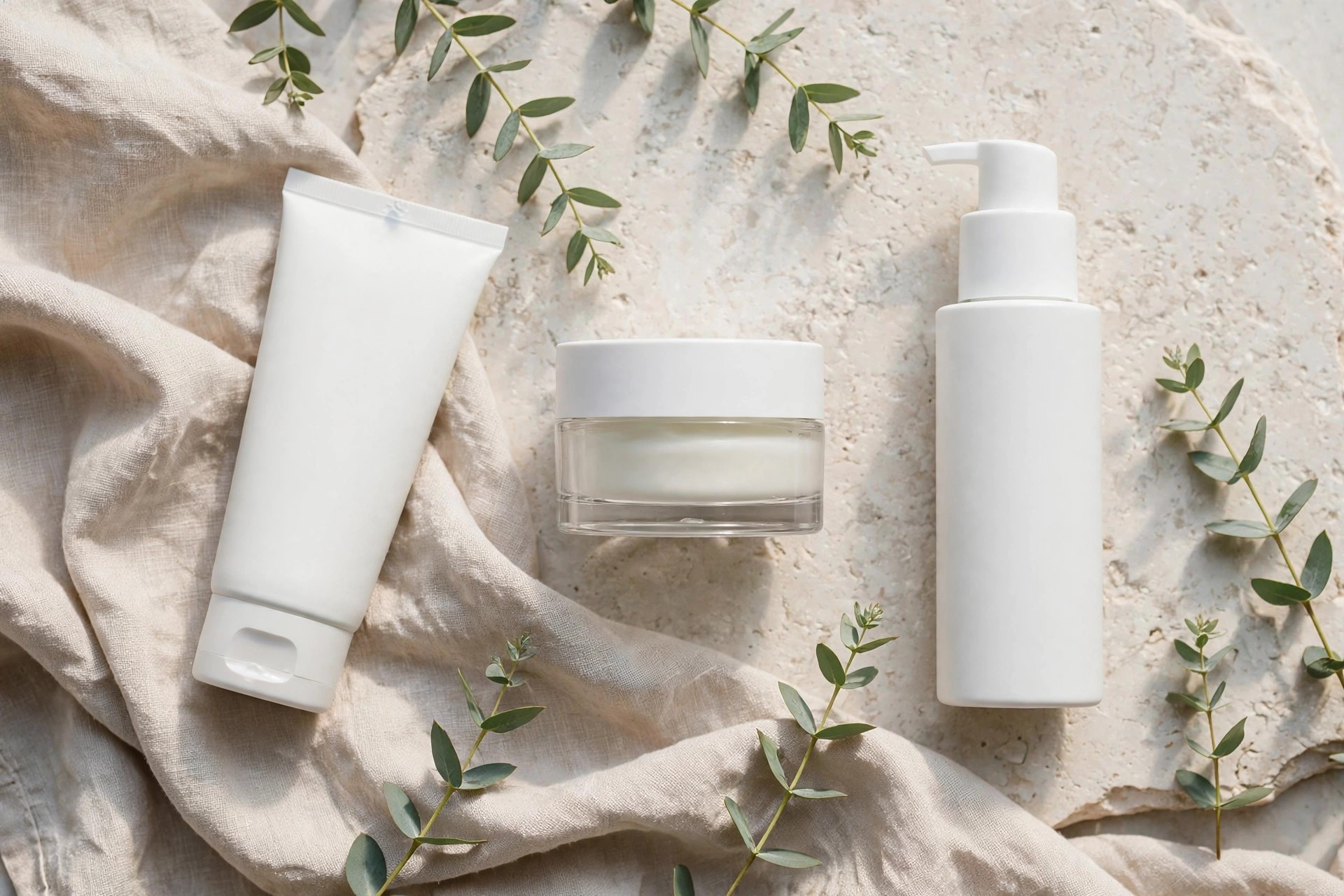
One of the best parts of barrier-first skincare is texture. Milky toners, hydrating essences, and soft, cushiony serums feel comforting on stressed skin. Watery or alcohol-based formulas do not feel nearly as nice. These light hydrating layers give water to the skin and get it ready to soak up the richer steps that come next.
Put hydrating products on slightly damp skin — right after washing, before your face dries all the way — so they can lock that water in. Layer from thinnest to thickest: a hydrating toner or essence first, then a serum if you use one, then moisturizer. One or two hydrating layers is plenty. You do not need the seven-step routines you see on social media. Glycerin and hyaluronic acid are popular here for a reason. They are gentle, most skin types tolerate them well, and they really help skin hold onto moisture.
Moisturizer and Sunscreen: The Non-Negotiables
If your routine only has room for two stars this fall, make them moisturizer and sunscreen. A good moisturizer seals in all that hydration and strengthens the barrier with soothing, skin-softening ingredients. Choose a cream instead of a lotion if your skin is dry. You want a formula that leaves your skin feeling soft and protected, not one that disappears in twenty minutes. Affordable favorites from CeraVe and Vanicream are easy to find at Target and Ulta. Our list of drugstore skincare products that really work has even more good, budget-friendly picks.
And yes, sunscreen still matters in fall. UV rays pass through clouds and windows. Cooler weather does not mean the sun is weak. A broad-spectrum SPF 30 or higher every morning — as the last step of your routine — protects the barrier while it heals. It also keeps your skin looking calm and even. Pick a formula you will actually wear every day. The best sunscreen is the one that ends up on your skin.
Which Strong Actives to Pause or Space Out
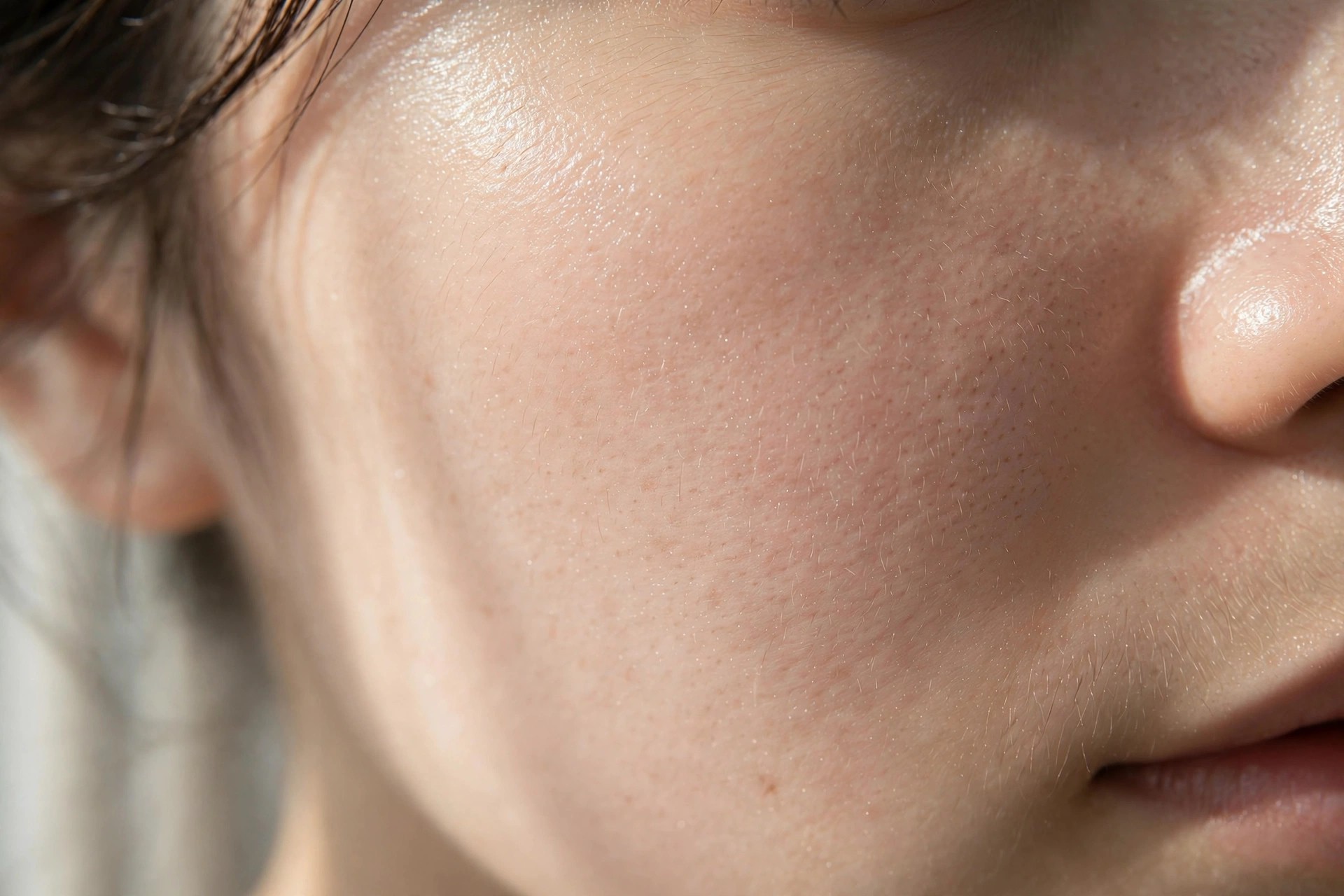
This part of the barrier-first shift surprises people: sometimes doing less gives you better skin. Strong actives are useful, but they are also the most common reason skin feels stressed. For a few weeks this fall, try pausing — or at least using less often — the strongest products.
Retinoids and retinol. These are vitamin A products that fight wrinkles and acne. They are the most likely cause of fall flaking and sensitivity. If your skin is stinging or peeling, stop using them for one to two weeks while your barrier recovers. If not, use them just once or twice a week, only on nights when your skin feels calm.
Strong exfoliating acids. Glycolic, lactic, and salicylic acids remove dead skin cells. In high amounts or daily formulas, they can keep a stressed barrier from healing. Cut back to once a week at most — or skip them until your skin feels comfortable again.
Benzoyl peroxide and high-strength vitamin C. Benzoyl peroxide fights acne, and strong vitamin C brightens skin. Both work well, but both can irritate damaged skin. Use them less often, pick lower strengths, and never layer more than one strong product on the same night while your skin is recovering.
When you bring actives back, add only one at a time. Wait a few days between each new product so you can see what your skin actually likes. Buffering — putting moisturizer on before a retinoid — is another gentle way to start again without irritation.
Your Simple Fall Routine
You do not need a twelve-step routine to repair your barrier. In fact, a few well-chosen steps usually work better. Here is a calm-skin routine you can start tonight:
Morning
- Rinse with lukewarm water, or use a gentle creamy cleanser if your skin feels oily.
- Put a hydrating toner or essence on damp skin.
- Follow with moisturizer to seal everything in.
- Finish with broad-spectrum SPF 30 or higher — every single day.
For more ideas on keeping your morning steps simple, see our simple morning routine for glowing skin.
Evening
- Wash gently for sixty seconds with a milky or cream cleanser to remove sunscreen, makeup, and the day.
- Put your hydrating toner or essence on damp skin.
- Seal it all in with moisturizer. On very cold nights, press a few drops of facial oil over your cream for extra comfort.
Want a more detailed nighttime wind-down? Our evening routine for clear, calm skin walks you through it step by step.
Give It Time
Here is the least exciting — and most important — part of barrier repair: patience. Stressed skin does not bounce back overnight. With steady, gentle care, most people feel their skin getting more comfortable within a week or two. Then the skin looks calmer and more even over the next couple of weeks. Do not add new products every few days or chase fast results with a strong exfoliant. Every change is another thing your barrier has to adjust to.
You will know it is working when your skin feels comfortable after washing, products stop stinging, redness calms down, and makeup sits smoothly again. That quiet, nothing-to-complain-about feeling is the whole point.
Fall is the season to be kind to your skin. Trade harsh treatments for gentle textures. Protect what you have with moisturizer and sunscreen. Give your barrier the breathing room it needs. Calm skin is not boring — it is the base that everything else, from makeup to strong products, works better on top of.
Leave a Reply