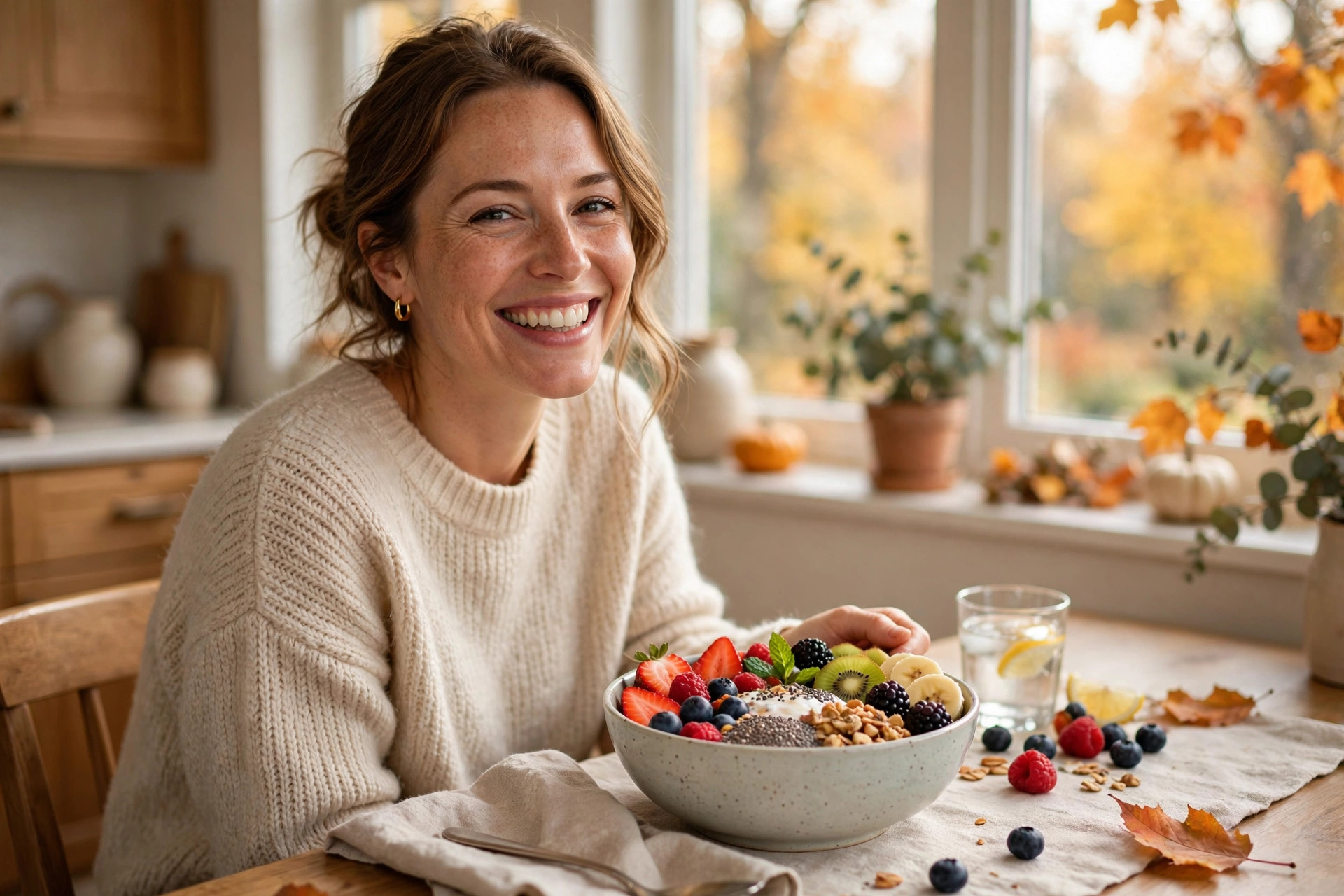
Fall is wonderful, but let us be honest about one part: it is also the season when everyone around you starts sniffling. You go back to busy routines, spend more time indoors with other people, and the dry air seems to carry every cold straight to you. Nobody has time to be sick in fall, with holidays approaching and life in full swing.
The truth is that there is no magic pill or single superfood that guarantees you will never catch a cold. Your immune system is complex, and it is supported by your overall lifestyle, not by one trick. But the everyday habits that support it are beautifully simple. This guide covers seven of them: small, realistic things you can actually do, even on your busiest days. Together, they give your body its best shot at staying well all season.
How Your Immune System Actually Works (Simply Put)
Think of your immune system as your body’s security team. It is always on duty, quietly identifying and dealing with germs before they can make you sick. This team works best when the basics of your life are in good shape: enough sleep, good food, water, movement, and manageable stress. When those basics fall apart, the security team gets tired too.
That is why immune health is not about one product or one habit. It is about the overall pattern of your days. The seven habits below each support that pattern in a different way. None of them is dramatic on its own. Together, they add up to a lifestyle that helps your body do what it is already designed to do.
One honest note before we begin: these are common-sense wellness habits, not medical advice. If you get sick often, have a health condition, or take regular medication, talk to your doctor about what is right for you. Now, let us get into the habits.
1. Wash Your Hands Well and Often
The single most effective habit on this list is also the least exciting: washing your hands. In fall, we touch shared surfaces all day: door handles, shopping carts, office kitchens, bus rails. Germs hitch a ride on our hands and enter through our eyes, nose, and mouth when we touch our faces, which most of us do without thinking.
Good handwashing takes twenty seconds, which is longer than most people do it. Wet your hands, add soap, and scrub everywhere: palms, backs, between fingers, and under nails. Then rinse and dry completely. Do it before you eat, after you come home, after using public transport, and after being in crowded places.
Keep a small hand sanitizer in your bag for times when soap is not available. It is not a full replacement for washing, but it is much better than nothing. And try to notice how often you touch your face during the day. Simply touching your face less is a quiet superpower in cold season.
2. Protect Your Sleep Like It Matters (Because It Does)
Sleep and immunity are deeply connected. When you do not sleep enough, your body’s defenses do not work as well, and studies have consistently shown that people who sleep less tend to catch colds more easily. In fall, when germs are everywhere, shortchanging your sleep is like sending your security team home early.
Aim for seven to nine hours most nights. That sounds simple, but busy fall schedules make it hard, which is why a real wind-down routine matters more than willpower. Dim the lights in the evening, put the phone away, and give your body the same calming signals every night. If your sleep has been rocky since the nights got longer, our guide on how to sleep better when the nights get longer walks you through a full cozy plan.
Also, keep your sleep schedule steady, even on weekends. Sleeping in for three extra hours on Saturday feels great in the moment, but it confuses your body clock and can leave you more vulnerable to that Monday morning scratchy throat. Within an hour of your usual wake time is the sweet spot.

3. Eat Colorful Fruits and Vegetables Every Day
You have heard “eat the rainbow” before, and it is genuinely good advice. Different colors in fruits and vegetables come from different plant compounds, and eating a variety gives your body a wide range of vitamins and nutrients that support overall health, including immune function.
You do not need a perfect diet. Just aim for color at every meal. Here are easy ways to do it in fall:
- Breakfast: Add berries to oatmeal or yogurt, or blend a handful of spinach into a smoothie. You will not taste the spinach, we promise.
- Lunch: Build salads or grain bowls with at least three colors: greens, orange carrots or sweet potato, red peppers or tomatoes.
- Dinner: Roast a big tray of mixed vegetables: broccoli, cauliflower, carrots, and Brussels sprouts with olive oil and salt. Roasting makes everything taste better.
- Snacks: Keep clementines, apples, or bell pepper strips where you will actually grab them. If healthy food is visible and ready, you will eat it.
Fall produce is a gift: apples, pears, squash, sweet potatoes, and Brussels sprouts are all in season, affordable, and delicious. And if you want your healthy eating to taste like the season itself, our low-carb pumpkin recipes for fall turn seasonal produce into cozy meals you will actually crave.
4. Stay Hydrated (Yes, Even When It Is Cold)
In summer, thirst reminds you to drink. In fall, cooler weather quietly turns that signal down, and many of us drink far less water without noticing. But your body still needs fluids to function well, including the systems that keep you healthy. Dry fall air and indoor heating also dry out the mucous membranes in your nose and throat, which are part of your body’s first line of defense.
Keep water visible and within reach all day: a bottle on your desk, a glass by the sink, a bottle in your bag. If plain water bores you in cold weather, warm drinks count too. Herbal teas, warm lemon water, and brothy soups all contribute to your fluid intake. Our glowing skin drinks are hydrating and delicious, so your skin benefits at the same time.
A simple check: if your lips are constantly chapped and your skin feels tight, you are probably not drinking enough. Drink a big glass of water right now. Your future self says thank you.
5. Get Fresh Air and Daylight Daily
As days get shorter and colder, it is tempting to stay inside from morning to night. But daily time outdoors supports your well-being in several ways at once. Daylight helps regulate your sleep, which we already know supports immunity. Fresh air feels invigorating when you have been inside all day. And a brisk walk is gentle exercise, which brings us to the next point.
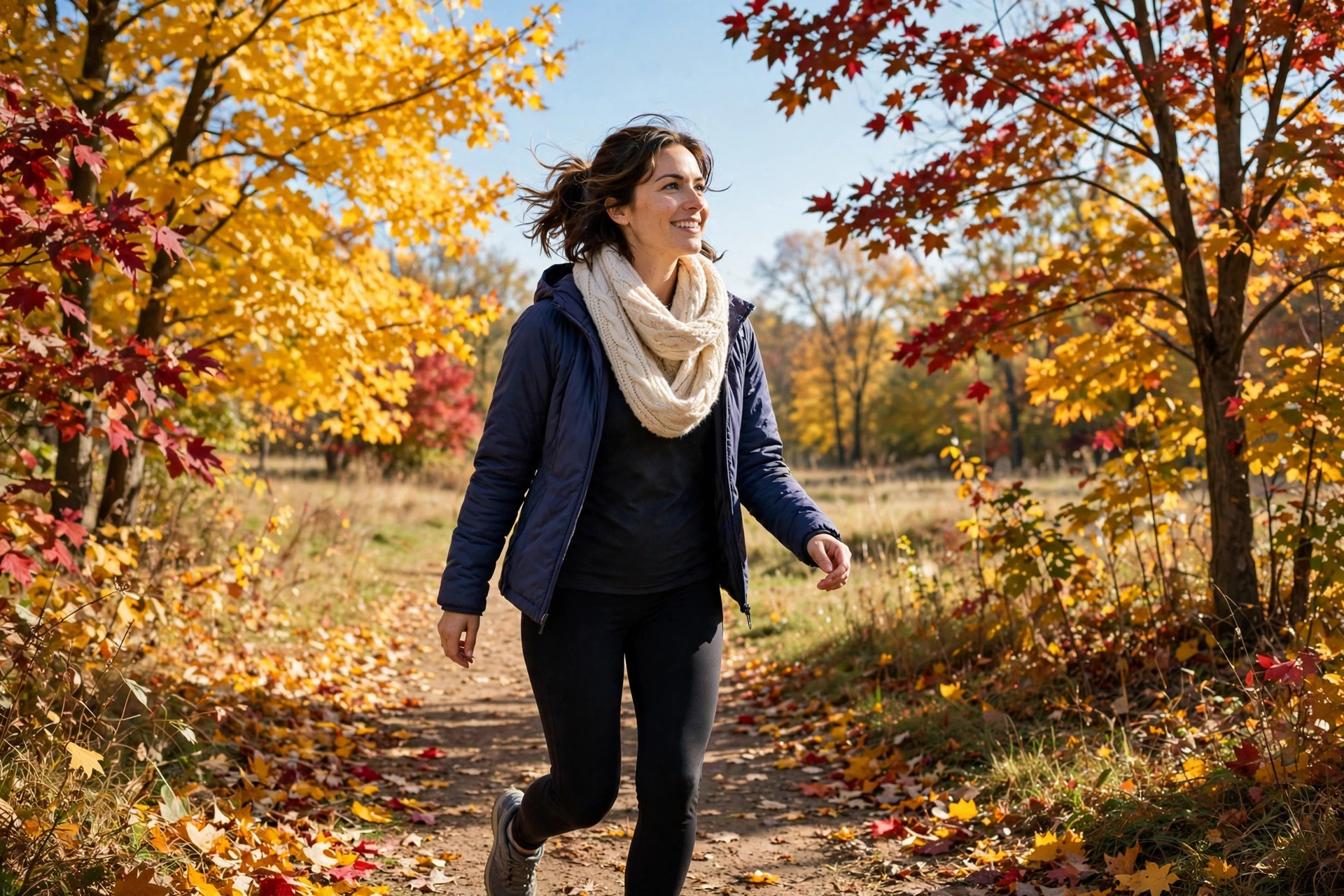
You do not need a long hike. A fifteen to twenty minute walk in the afternoon is enough to make a difference. Notice the fall colors, breathe the crisp air, and let your mind rest. If you can, make it a daily non-negotiable, like brushing your teeth. Put on a warm coat and go, even when it is gray outside. Gray-day light still counts.
Movement itself is a habit worth keeping through fall. Regular, moderate exercise is associated with better immune function, while sitting all day is not doing you any favors. Walking, dancing in your kitchen, gentle yoga, or any movement you enjoy all count. The best exercise is the one you will actually do, so choose something fun.
6. Keep Stress From Running the Show
Here is something most people do not realize: ongoing stress can wear down your immune defenses over time. Fall is a naturally stressful season. Schedules fill up, holidays loom, daylight shrinks, and everything feels urgent. You cannot eliminate stress, but you can keep it from running your whole life.
The secret is small, daily resets rather than waiting for a breaking point. Five slow breaths between tasks. A ten-minute walk without your phone. Writing down what is on your mind before bed. Saying no to one thing that drains you. These tiny pauses tell your nervous system that you are safe, and that message matters for your whole body.
If rest feels hard for you, if slowing down makes you feel guilty, you are not alone, and there is a kinder way to think about it. Our do-less self-care reset is all about giving yourself permission to rest without earning it first. Your immune system will thank you for every bit of calm you allow yourself.
7. Keep Up With the Basics
The last habit is the least glamorous and one of the most important: keep up with routine health basics. Get your seasonal flu shot if your doctor recommends it. Wash your reusable water bottle and your phone screen, which collect more germs than you would like to know. Change your hand towels and pillowcases regularly. Open a window for a few minutes each day to let fresh air circulate, even in cold weather.
If you feel a cold coming on, be kind to yourself early. Rest, drink fluids, and cancel what you can. Pushing through illness does not make you tough; it usually just makes the illness longer and shares it with everyone around you. Staying home when you are sick is a kindness to yourself and to others.
Habits That Quietly Work Against You
Just as good habits add up, a few common ones quietly make it harder for your body to stay well. None of these need a lecture, just honest awareness.
- Constant poor sleep. A few late nights are fine. Months of short sleep is not.
- Too much alcohol. It disrupts sleep and is dehydrating, a double hit in cold season.
- Smoking or vaping. These irritate your airways, which are your first line of defense.
- Never-ending stress with no outlet. Stress itself is normal. Stress with zero recovery time is the problem.
- Skipping meals or living on sugar. Your body needs steady fuel. One sugary day will not hurt you, but a steady diet of it does not support your health.
You do not need to fix everything at once. Pick the one that feels most relevant and start there.
Your Simple Fall Wellness Day
To make this concrete, here is what these habits look like in a normal day. Nothing extreme, nothing expensive.
- Morning: Get daylight within an hour of waking. Eat a colorful breakfast. Fill your water bottle.
- Midday: Take a short walk outside. Eat vegetables at lunch. Wash your hands before you eat.
- Afternoon: Drink water or herbal tea. Take a five-minute breather if stress builds.
- Evening: Eat a nourishing dinner. Dim the lights. Wind down without screens.
- Night: Sleep seven to nine hours in a cool, dark room.
That is it. Ordinary habits, done consistently, are what keep you well.
The Bottom Line
Staying well in fall is not about one miracle habit. It is about seven simple ones working together: washing your hands, sleeping enough, eating colorful foods, staying hydrated, getting outside daily, managing stress with small resets, and keeping up with the basics. Each one is small. Together, they give your body’s defenses the support they need all season long.
Start with just one habit today. Wash your hands well, drink a big glass of water, or take a short walk in the crisp air. Small steps, taken daily, are how wellness actually works. Here is to a healthy, cozy fall.
Leave a Reply